🔍 Executive Summary
- Taiwanese optical firms are transitioning from low-margin components to sophisticated AR-integrated sports gear.
- The adoption of free-form prism and optical compensation film technologies is overcoming traditional flat-panel display limitations in curved surfaces.
- This strategic shift targets specialized consumer niches, signaling a maturation of AR technology beyond industrial applications.
Strategic Deep-Dive
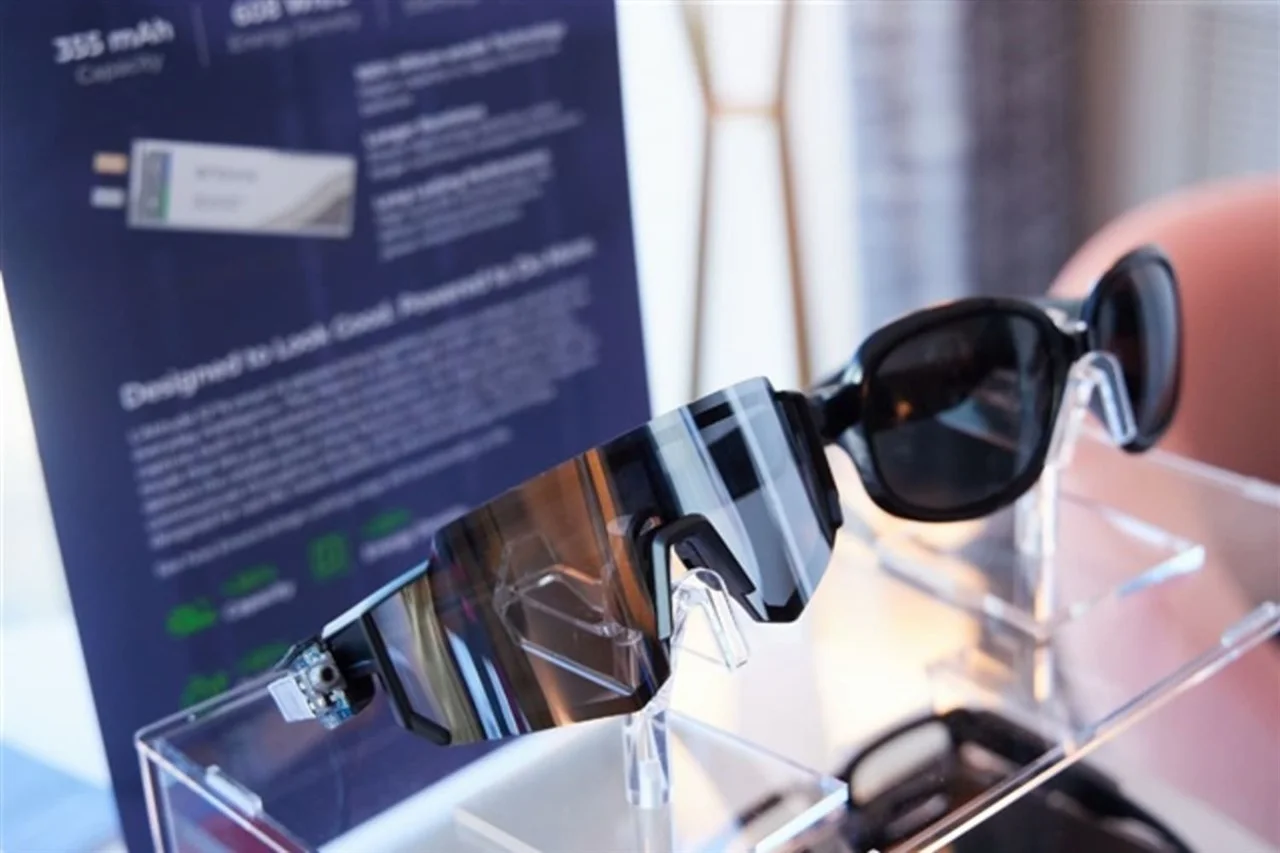
The Taiwanese optical supply chain is currently orchestrating a profound strategic pivot, transitioning away from the increasingly commoditized smartphone and laptop sectors toward the lucrative and technically demanding smart snow goggles market. This shift represents a significant engineering milestone, as it necessitates the seamless integration of Augmented Reality (AR) display systems into large-curvature protective lenses—a task that pushes the boundaries of traditional optics. For years, the integration of digital overlays into eyewear was hampered by the physical constraints of flat-panel displays, which struggled to maintain visual integrity when adapted to the ergonomic, wrap-around shapes required for high-performance sports gear.
To circumvent these limitations, leading vendors are now leveraging free-form prism technology and advanced optical compensation films, which allow for a more flexible and efficient light path within the lens structure itself.
From a technical perspective, the adoption of free-form prisms is revolutionary. Unlike traditional spherical or aspherical lenses, free-form optics do not have a symmetric axis, allowing engineers to design complex surfaces that can correct for aberrations while projecting high-definition digital content directly into the user’s line of sight. This is complemented by optical compensation films that mitigate the distortion naturally caused by the steep curvature of snow goggles.
These films are engineered at the molecular level to manage light polarization and refractive indices, ensuring that the digital interface remains crisp and legible even under the harsh, high-contrast lighting conditions found on snowy slopes. The engineering challenge is not merely about the display; it is about maintaining the protective properties of the goggles—such as impact resistance and UV filtration—while embedding a sophisticated electronic sub-system that must operate reliably in sub-zero temperatures.
This move toward high-margin hardware is a calculated response to the thinning margins in the broader consumer electronics industry. Smart snow goggles represent a premium niche where the Average Selling Price (ASP) is significantly higher, and the brand loyalty of professional and enthusiast athletes provides a more stable revenue stream. By mastering the manufacturing of large-curvature AR lenses, Taiwanese firms are effectively insulating themselves from low-cost competitors who lack the precision injection molding and nano-coating capabilities required for such specialized gear.
Furthermore, this transition signals a maturation of the AR ecosystem. We are seeing a move away from the ‘one-size-fits-all’ approach of industrial AR headsets toward purpose-built, consumer-centric devices that prioritize both aesthetic form and specialized function. For the supply chain, this means evolving from a component-delivery model to a solution-integrated model, where the value lies in the synergy between the optical stack, the sensor array, and the ruggedized physical housing.
As these firms solidify their position in the 2026 market, the success of these smart goggles will likely serve as a blueprint for the wider adoption of AR in other high-action sports and outdoor activities.