🔍 Executive Summary
- Hill County, Texas, has enacted a one-year moratorium on data center construction to study the environmental and infrastructural strain caused by the AI boom. As tech firms move to rural areas to 'skirt' urban regulations, local authorities are pushing back to protect communal resources like water and power. However, this move has triggered a major jurisdictional conflict, with a Texas State Senator challenging the legal authority of counties to impose such bans and calling for an investigation by the State Attorney General.
Strategic Deep-Dive
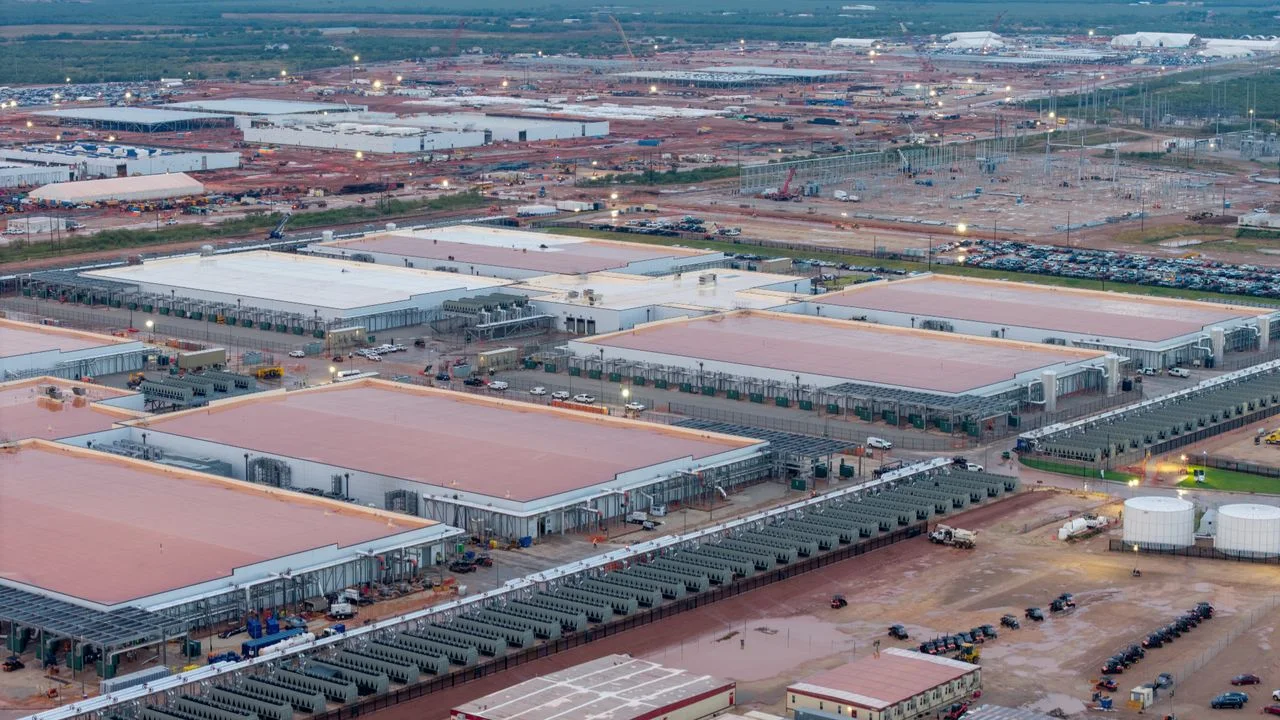
The collision between rapid technological expansion and local governance has reached a boiling point in the American South. Hill County, Texas, recently enacted a one-year moratorium on all new data center projects, highlighting a growing tension between the ‘AI Gold Rush’ and the preservation of rural communities. As AI companies seek to expand their processing power, they are increasingly looking toward remote areas to ‘skirt regulations’ that are typically more stringent in metropolitan centers.
These rural sites offer cheaper land and more accessible power, but as Hill County’s leadership points out, they also bring significant concerns regarding their long-term impact on water supplies and the local electrical grid.
This phenomenon, often described as regulatory arbitrage, sees tech firms relocating to jurisdictions with fewer environmental protections or noise ordinances. For a rural county like Hill, the arrival of a massive server farm isn’t just an economic development opportunity; it is a potential threat to negative externalities such as resource depletion. Data centers require millions of gallons of water for cooling and place an immense strain on the grid, which in Texas has already shown signs of vulnerability.
The local authorities argue that a pause is necessary to conduct a comprehensive study on how these facilities will alter the socio-economic and environmental landscape of the region.
However, the legal foundation of this moratorium is being fiercely contested. The County Attorney has already issued stern warnings that the county could face expensive and protracted litigation, as Texas state law often preempts local authority regarding industrial zoning and infrastructure. The conflict escalated when a Texas State Senator formally challenged the ban, asserting that counties do not possess the statutory power to impose such sweeping prohibitions.
The Senator has gone as far as asking the State Attorney General to investigate Hill County and other local governments that have implemented similar pauses, characterizing them as barriers to the state’s technological and economic growth.
This battle represents a microcosm of a national debate over the hidden costs of AI. While the state level of government views data centers as critical infrastructure for the 21st-century economy, local communities are increasingly wary of being exploited by firms that provide few local jobs once construction is complete while consuming vast amounts of local resources. The outcome of this legal clash will set a major precedent for jurisdictional overreach in the age of AI.
If the state successfully overturns the ban, it will signal to the tech industry that state-level pro-business mandates will continue to override local environmental and social concerns. Conversely, a victory for Hill County could empower rural municipalities across the nation to demand greater accountability and ‘social licenses’ from the world’s most powerful tech companies before they break ground in the countryside.