🔍 Executive Summary
- By pivoting from mechanical dominance to a Software-Defined Vehicle (SDV) architecture, the Audi Q9 leverages an interior-centric strategy to outpace the traditional, hardware-heavy prestige of the Lexus LX.
Strategic Deep-Dive
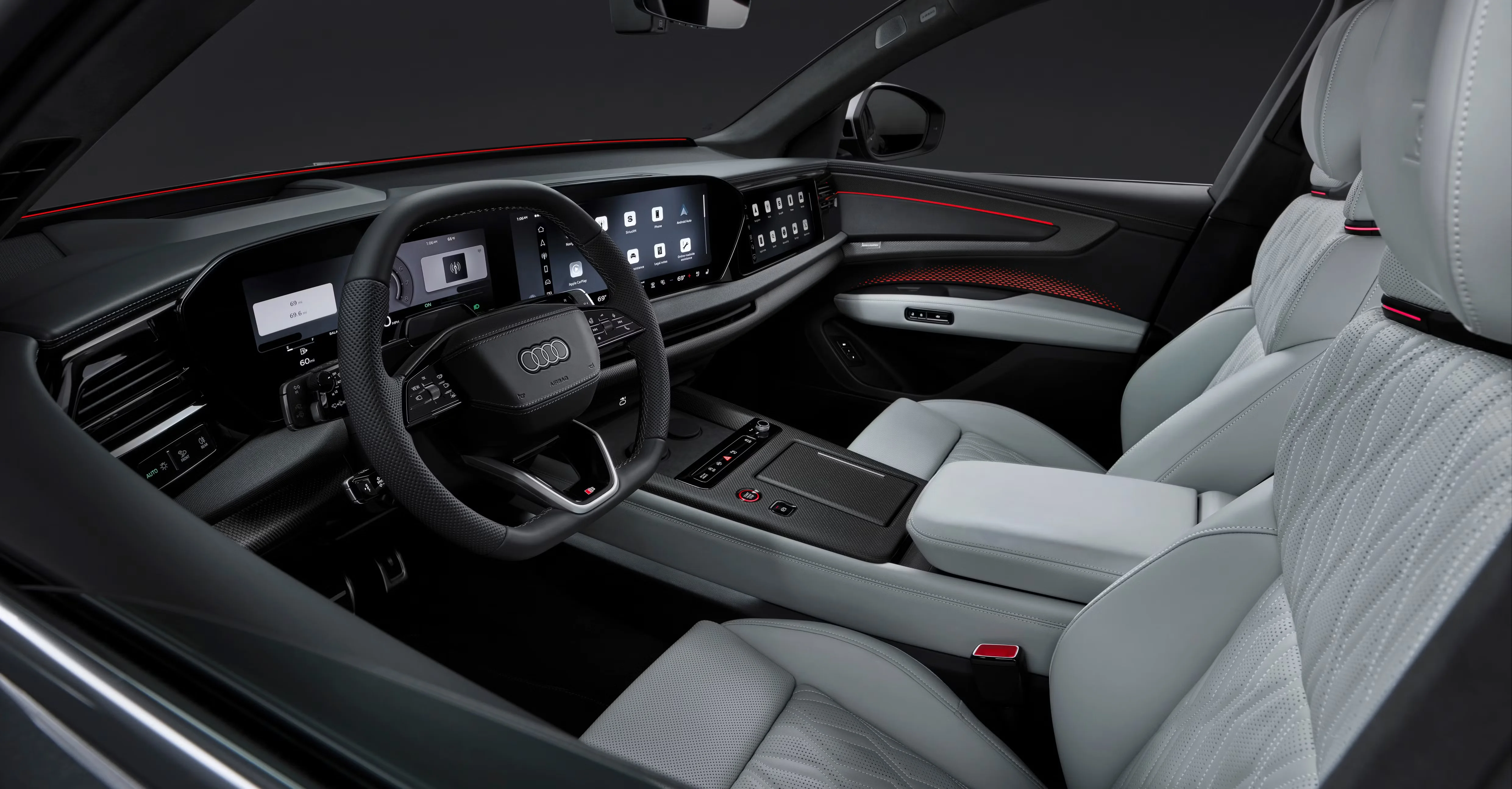
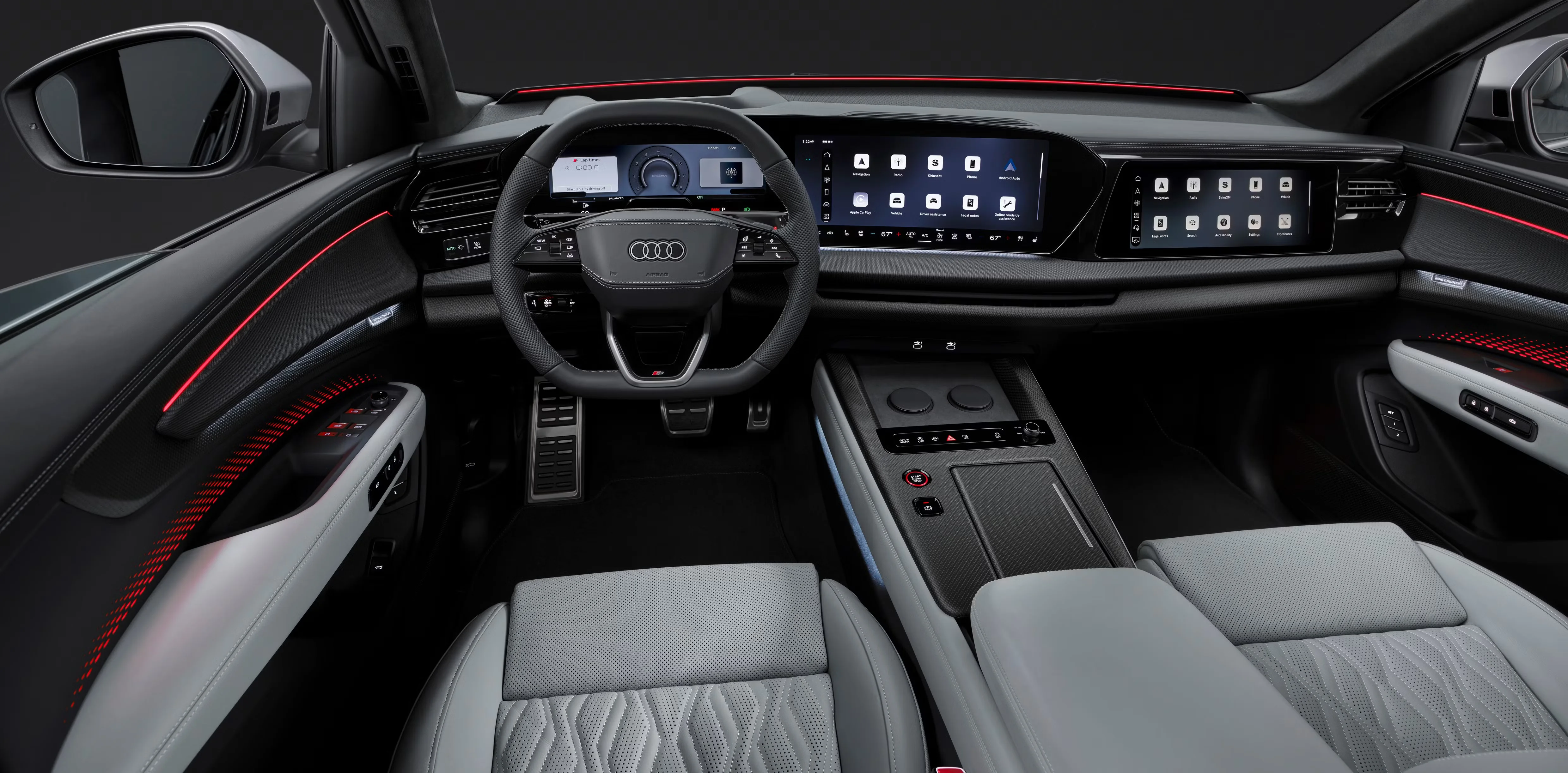
The global automotive landscape is undergoing a seismic shift, where the traditional benchmarks of luxury—displacement, horsepower, and mechanical complexity—are being superseded by a brand’s ability to integrate a seamless digital life. The upcoming Audi Q9 represents a strategic inflection point in this evolution, positioning itself as the antithesis of the established Lexus LX. While the Lexus LX stands as a monument to mechanical endurance and the ‘Takumi’ philosophy of physical craftsmanship, the Audi Q9 signals the rise of the Software-Defined Vehicle (SDV).
Audi’s core thesis is simple yet disruptive: the future of luxury flagship competition will not be won on the test track, but within the cabin’s digital architecture.
This ‘interior-first’ strategy is a calculated response to the changing demographic of ultra-high-net-worth consumers. For these buyers, the vehicle is no longer just a status symbol for arrival; it is a mobile sanctuary and a secondary workspace. Audi is capitalizing on this by transforming the Q9’s interior into a sophisticated ecosystem that prioritizes UX/UI fluidity over mere leather-clad opulence.
By focusing on how a user interacts with the car’s data environment, Audi is creating a platform that is ‘future-proof.’ Unlike the Lexus LX, which relies on fixed hardware components that inevitably age, the Audi Q9 is designed to evolve through continuous cloud-based enhancements. This shift from hardware-centric to software-centric value creates a profound impact on luxury SUV market share and resale value. In a world where digital obsolescence is the primary concern for tech-savvy elites, a car that improves its interior functionality via OTA updates holds a distinct advantage over a traditional mechanical masterpiece.
Furthermore, the divergence between Audi and Lexus highlights a broader industry trend toward the ‘unbundling’ of traditional prestige. Lexus represents the zenith of the analog era—a refined, tactile experience that honors the legacy of the internal combustion engine. In contrast, the Audi Q9 invites users into an immersive environment where AI-assisted features and intuitive connectivity define the experience of comfort.
This strategy isn’t just about adding larger screens; it is about the structural integration of software into the very fabric of the passenger experience. As we move closer to autonomous capabilities, the ‘driving’ aspect becomes secondary to the ’living’ aspect of the vehicle. By investing heavily in the interior’s digital infrastructure today, Audi is securing its position as the premier architect of the next generation’s mobile spaces.
The Q9 isn’t just a car; it is a declaration that in the digital age, the most valuable real estate isn’t the road under the tires, but the interface between the human and the machine. The Lexus LX may remain a paragon of reliability, but the Audi Q9 is carving out a niche as the quintessential flagship for a world that views technology as the ultimate luxury.