🔍 Executive Summary
- This analyst report synthesizes the impact of Samsung's labor unrest on global semiconductor logistics, the strategic recalibration of the Japan-Korea tech alliance, and the Philippine political crisis's ripple effects on regional data centers.
Strategic Deep-Dive
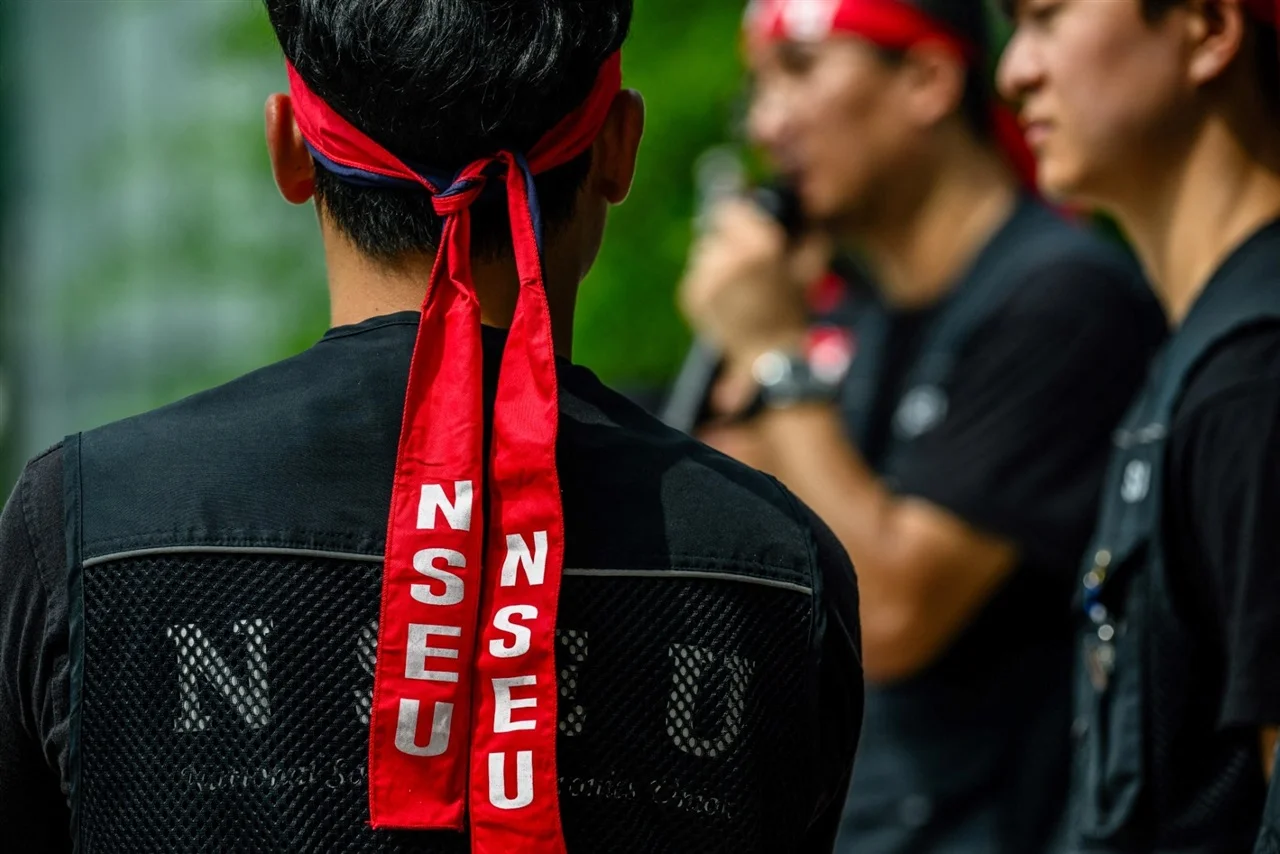
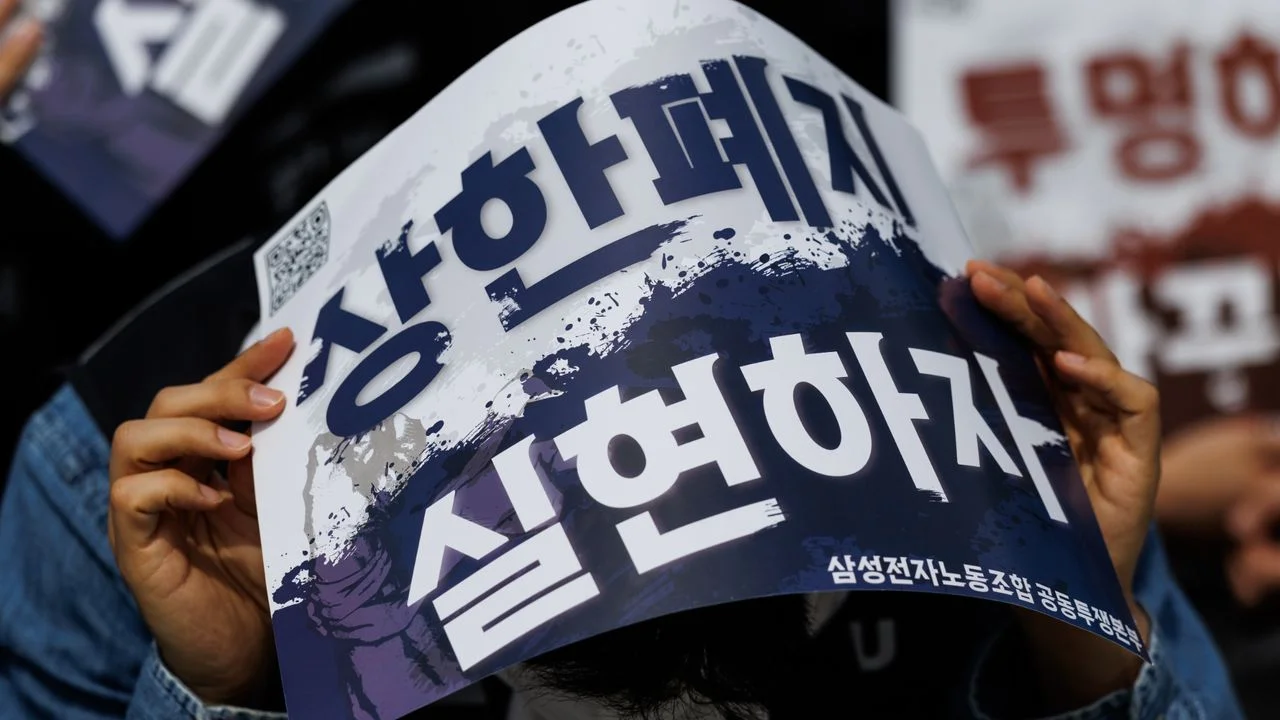
The intersection of labor volatility and high-stakes diplomacy is currently reshaping the East Asian technological landscape. At the center of this storm is the unprecedented industrial action by the Samsung Electronics National Union. As a Senior Data Systems Analyst, it is clear that this strike represents more than just a labor dispute; it is a stress test for Samsung’s integrated supply chain management (SCM) software and its proprietary manufacturing execution systems (MES).
The production of advanced High Bandwidth Memory (HBM3e) and logic chips requires a 24/7 uninterrupted cycle. Any significant labor withdrawal forces a reliance on automated failover systems and contingency staffing, which may not sustain the sub-nanometer precision required for long-term yields. From an analyst’s projection, the transition toward a more vocal labor force will necessitate a robust upgrade of Samsung’s automated logistics and ERP architectures to mitigate human-centric production risks.
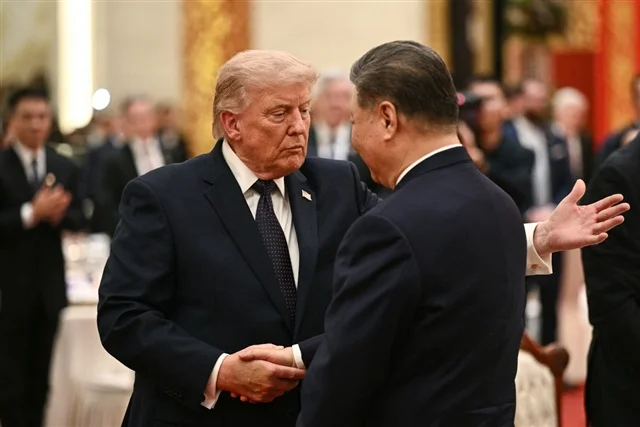
Simultaneously, the diplomatic summit between Japan’s Prime Minister Takaichi and the South Korean leadership signifies a critical pivot in regional tech-sovereignty. The discussions moved beyond historical reconciliation, focusing instead on the technical integration of the ‘Chip 4’ alliance. Key agendas included the harmonization of export control databases and the establishment of a joint R&D framework for 2nm-class lithography.
For global stakeholders, this rapprochement suggests a more unified front against supply chain weaponization. The Takaichi-Lee summit essentially aims to create a ’low-latency’ diplomatic channel to resolve trade disputes in real-time, ensuring that the supply of critical materials for semiconductor fabrication remains insulated from regional geopolitical skirmishes.
Adding another layer of complexity is the judicial process involving Philippine Vice President Sara Duterte. While seemingly a domestic legal affair, the trial poses a direct threat to the Philippines’ status as a burgeoning regional tech hub. The country has aggressively courted hyperscale data center investments and cloud infrastructure projects.
However, political instability of this magnitude often correlates with a spike in cybersecurity threats and a decline in regulatory predictability. For multinational corporations relying on Philippine-based BPO (Business Process Outsourcing) or technical support clusters, the trial serves as a reminder to diversify data backup sites and reconsider the ‘concentration risk’ of their Southeast Asian operations.
In conclusion, the synchronization of these events reflects a volatile regional dynamic where technological leadership is inextricably linked to political and social stability. The Samsung strike highlights the internal vulnerabilities of tech titans, while the Takaichi-Lee summit and the Duterte trial underscore the external geopolitical and legal frameworks that define the operational landscape. To maintain resilience, global tech firms must adopt a data-driven approach to geopolitical risk management, integrating predictive modeling to anticipate shifts in labor relations and diplomatic alliances.
The era of decoupling tech from politics has officially ended; the future belongs to those who can navigate this integrated reality.