🔍 Executive Summary
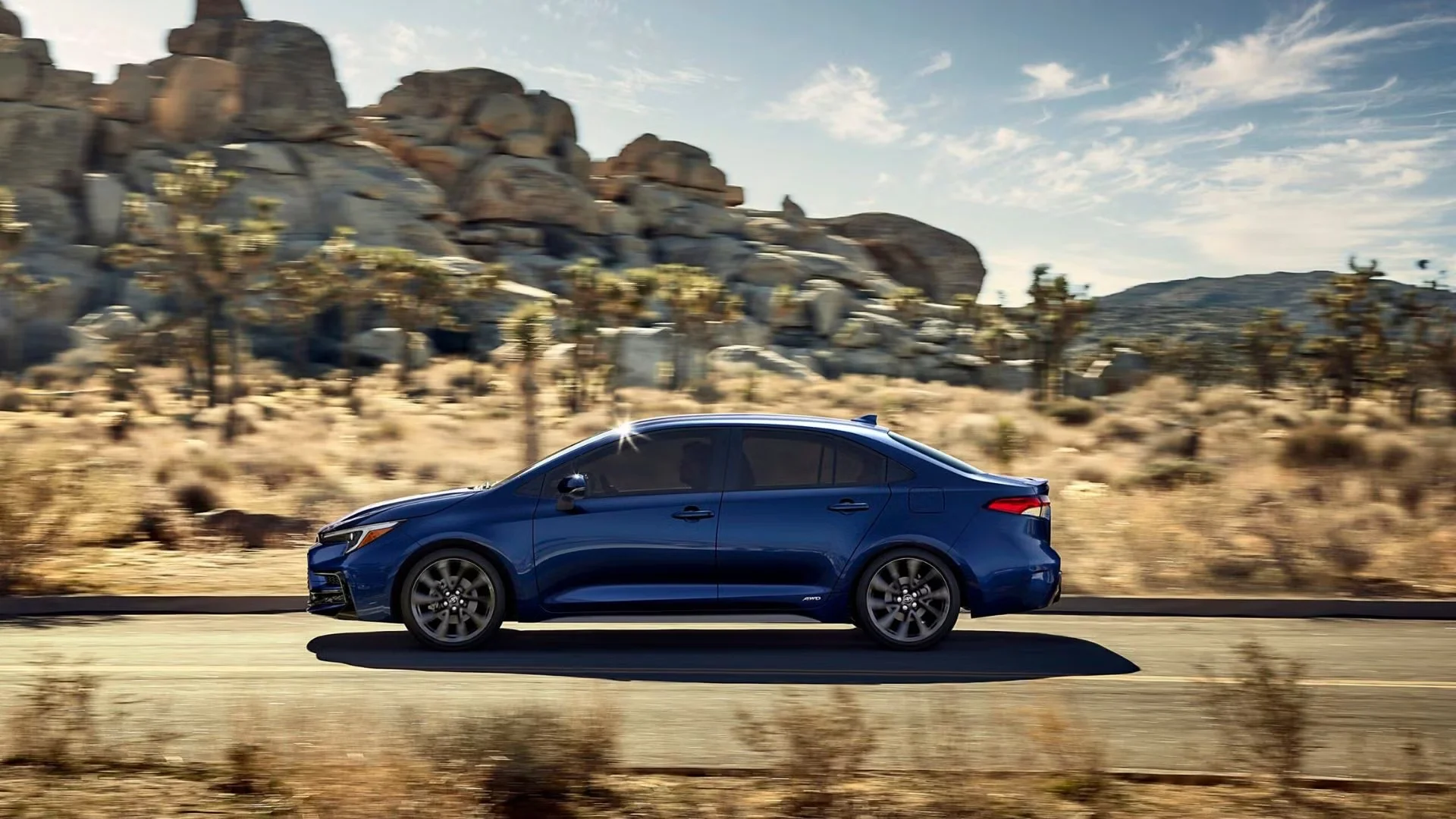
- In an era of economic pragmatism, the Toyota Corolla Hybrid emerges as the strategically superior choice over the Honda Civic Hybrid by optimizing the Total Cost of Ownership (TCO) and prioritizing essential utility over aesthetic flourish.
Strategic Deep-Dive
The Shift Toward Value-Driven Hybrid Selection: A Strategic Analysis
In the increasingly complex landscape of the compact hybrid market, the dialogue surrounding consumer choice has undergone a fundamental transformation. For years, the competition between the Toyota Corolla Hybrid and the Honda Civic Hybrid was viewed through the lens of brand rivalry. However, a new paradigm of data-driven pragmatism has emerged.
Recent market insights strongly suggest that for those evaluating the Honda Civic Hybrid, the Toyota Corolla Hybrid is not just an alternative, but a strategically superior acquisition. This distinction is rooted in a rigorous analysis of what constitutes a ‘smarter buy’ in a volatile economic environment, moving beyond mere preference toward a model of optimized utility.
Total Cost of Ownership (TCO) and the Logic of Optimization
From a senior data systems analyst’s perspective, a vehicle is a critical data point within a consumer’s personal financial ecosystem. The Corolla Hybrid excels in this framework by prioritizing Total Cost of Ownership (TCO) over technical flourish. While the Honda Civic Hybrid often integrates peripheral features that enhance perceived luxury, these additions frequently contribute to ‘feature bloat’—increasing the initial capital outlay without a commensurate increase in the vehicle’s primary utility.
The Corolla Hybrid, conversely, represents a successful ‘value-chain compression.’ By focusing on the core hybrid powertrain and essential reliability, Toyota ensures that every dollar invested by the consumer is allocated toward functional efficiency and long-term asset stability. This makes the Corolla a more rational choice for those who view a hybrid purchase as a hedge against rising energy costs.
Navigating the Pragmatic Utility Threshold
A critical element in the Corolla’s market dominance is its adherence to the ‘pragmatic utility threshold.’ In system design, there is a point of diminishing returns where additional aesthetic or performance enhancements significantly increase costs without providing a proportional gain in actual performance. The Honda Civic Hybrid, while offering a spirited driving dynamic and sophisticated interior aesthetics, often crosses this threshold into the realm of subjective luxury. For the pragmatist, the Corolla Hybrid remains firmly within the zone of maximum efficiency.
It offers a streamlined user experience that minimizes complexity and potential points of failure, adhering to the principle that a hybrid’s true value is found in its consistency and cost-to-mileage ratio. When a buyer selects a Corolla over a Civic, they are performing a utility-based decision matrix that favors long-term fiscal health over short-term stylistic flair.
Strategic Market Positioning in a High-Interest Era
In the current global economic climate characterized by high interest rates and inflation, the Corolla Hybrid serves as a strategic financial tool. The ‘smarter buy’ logic dictates that capital should be preserved and deployed where it yields the highest practical return. The Corolla’s positioning as a high-value, high-reliability asset aligns perfectly with this requirement.
It avoids the premium pricing often associated with the Civic’s lifestyle-oriented marketing, instead offering a product that functions as a predictable, low-variance investment. For potential Civic buyers, the transition to the Corolla is often catalyzed by the realization that the latter provides the same—if not more—foundational hybrid benefits while maintaining a more rational investment profile. This optimization of capital is the hallmark of the modern intelligent consumer.
Conclusion: The Definitive Verdict on Systemic Value
Ultimately, the comparison between the Toyota Corolla Hybrid and the Honda Civic Hybrid underscores a broader trend in global tech and automotive consumption: the aggressive return to utility. As the Corolla continues to outperform in the ‘value’ category, it solidifies its status as the benchmark for sensible, data-backed hybrid ownership. For any prospective buyer currently weighing these two options, the conclusion is clear.
The Corolla Hybrid satisfies the rigorous demands of the road while adhering to the strict requirements of a balanced budget, making it the definitive winner in the ongoing battle for the smarter buy.