🔍 Executive Summary
- The global automotive sector is undergoing a seismic shift as the 'AI skills arms race' forces a total transformation of the workforce toward software-defined vehicles and integrated AI intelligence.
Strategic Deep-Dive
The global transportation sector is no longer defined by the roar of internal combustion engines but by the silent, sophisticated logic of artificial intelligence. As the industry pivots toward a software-defined future, a phenomenon known as the ‘AI skills arms race’ has emerged, fundamentally altering the competitive landscape of automotive technology and mobility services. This transformation is not merely an incremental update; it is a total reimagining of what it means to build and operate a vehicle in the 21st century.
Major legacy manufacturers are finding that their decade-old expertise in mechanical tolerances is secondary to their ability to deploy neural networks at the edge.
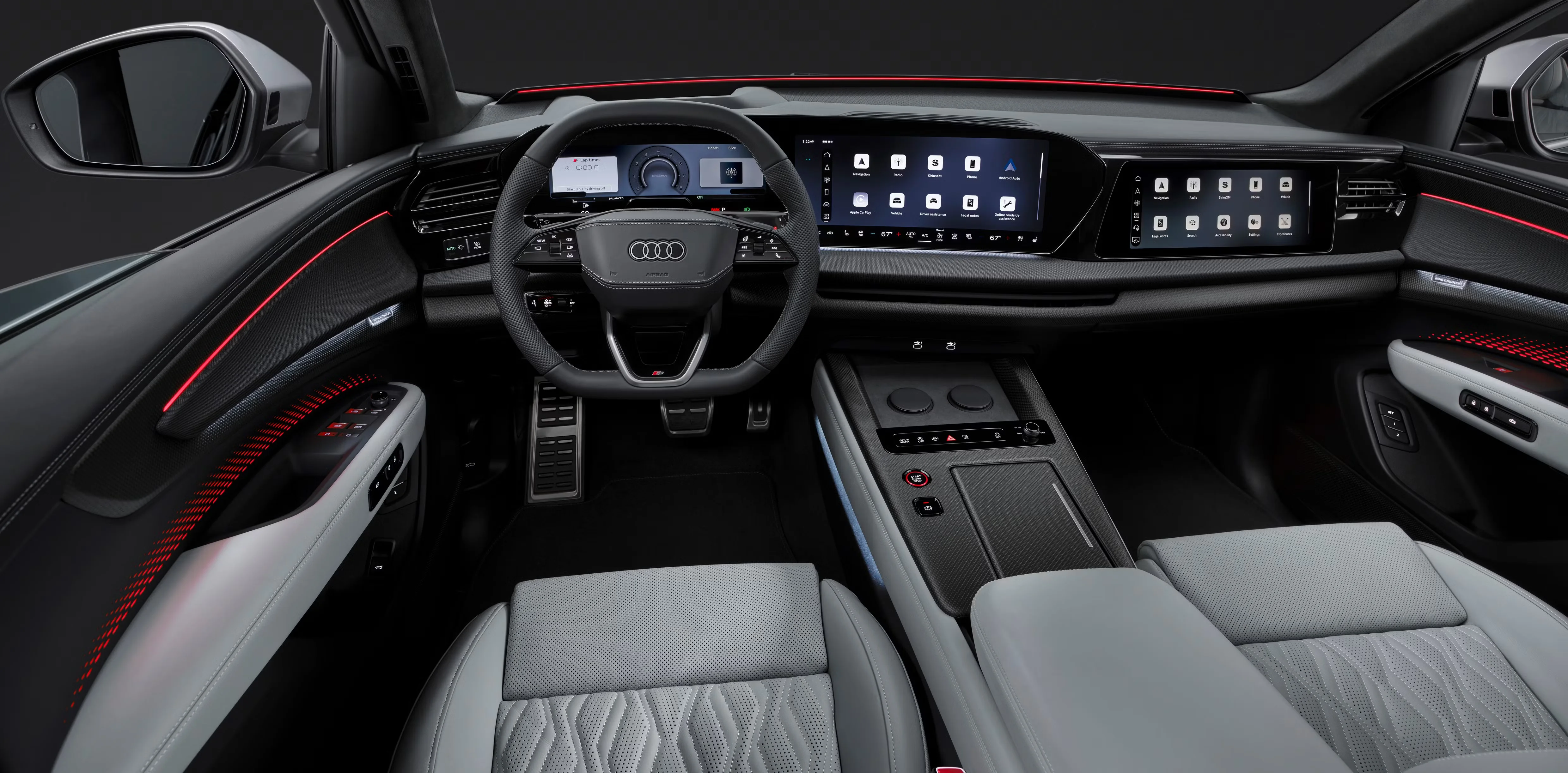
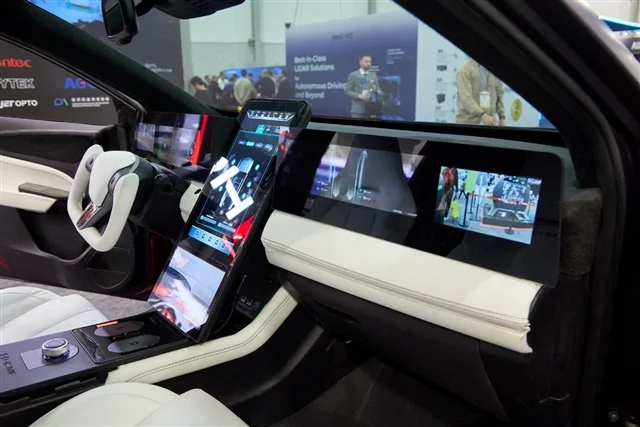
Strategic dominance in the mobility era now hinges on a company’s ability to integrate AI across the entire value chain. In autonomous driving, AI serves as the brain that interprets petabytes of sensor data from LiDAR and cameras to make split-second safety decisions. In the cockpit, generative AI and Large Language Models (LLMs) are becoming the primary interface through which drivers and passengers interact with their surroundings, transforming the car into a mobile office or entertainment hub.
Furthermore, the push toward Software-Defined Vehicles (SDVs) means that every component—from the braking system to the air conditioning—is controlled by a centralized AI architecture that can be updated over-the-air. This shift has created a desperate demand for specialists in computer vision, reinforcement learning, and high-performance computing.
For decades, the automotive workforce was built on the foundations of mechanical engineering and assembly-line efficiency. Today, those legacy skills are being rapidly eclipsed. Major automakers from Detroit to Stuttgart are finding themselves in direct competition with Silicon Valley titans for a limited pool of AI talent.
This scarcity has driven compensation packages to record highs and sparked a wave of strategic acquisitions focused more on ‘acquihiring’ engineering teams than on acquiring physical assets. Companies are no longer just buying parts; they are buying the intellectual capital required to write the code that governs those parts.
Moreover, this arms race is forcing a cultural reckoning within traditional automotive organizations. The rapid, iterative development cycles of AI software are often at odds with the long-lead, safety-critical timelines of vehicle hardware manufacturing. Bridging this gap requires a new breed of hybrid professionals—engineers who understand both the rigors of automotive safety standards and the fluidity of modern AI development.
Firms that fail to adapt their internal training and recruitment pipelines risk being relegated to mere hardware suppliers for more agile, tech-centric mobility platforms like those envisioned by Waymo or Tesla.
Looking ahead, the winners of this arms race will be those who can successfully democratize AI skills within their organizations. It is not enough to have a siloed research lab; AI must become a core competency across design, manufacturing, and customer service. As we move closer to a world of fully autonomous, connected, and electrified transportation, the ‘AI skills arms race’ will serve as the ultimate filter.
It will separate the legacy manufacturers of the past from the mobility leaders of the future who understand that in 2026, the soul of the machine is built with code, not steel.