🔍 Executive Summary
- Korthos Software has released low_latency_layer, an open-source Vulkan implementation that provides cross-vendor low-latency features on Linux, bypassing proprietary hardware locks.
Strategic Deep-Dive
The introduction of the ’low_latency_layer’ by Korthos Software marks a seminal moment in the convergence of open-source development and high-performance gaming. For years, low-latency technologies such as NVIDIA Reflex and AMD Anti-Lag have served as powerful tools for competitive gamers, but their availability has been strictly tied to proprietary driver ecosystems and specific hardware generations. By engineering a specialized Vulkan layer that functions independently of these vendor-specific locks, Korthos Software has effectively democratized system-level responsiveness for the Linux community.
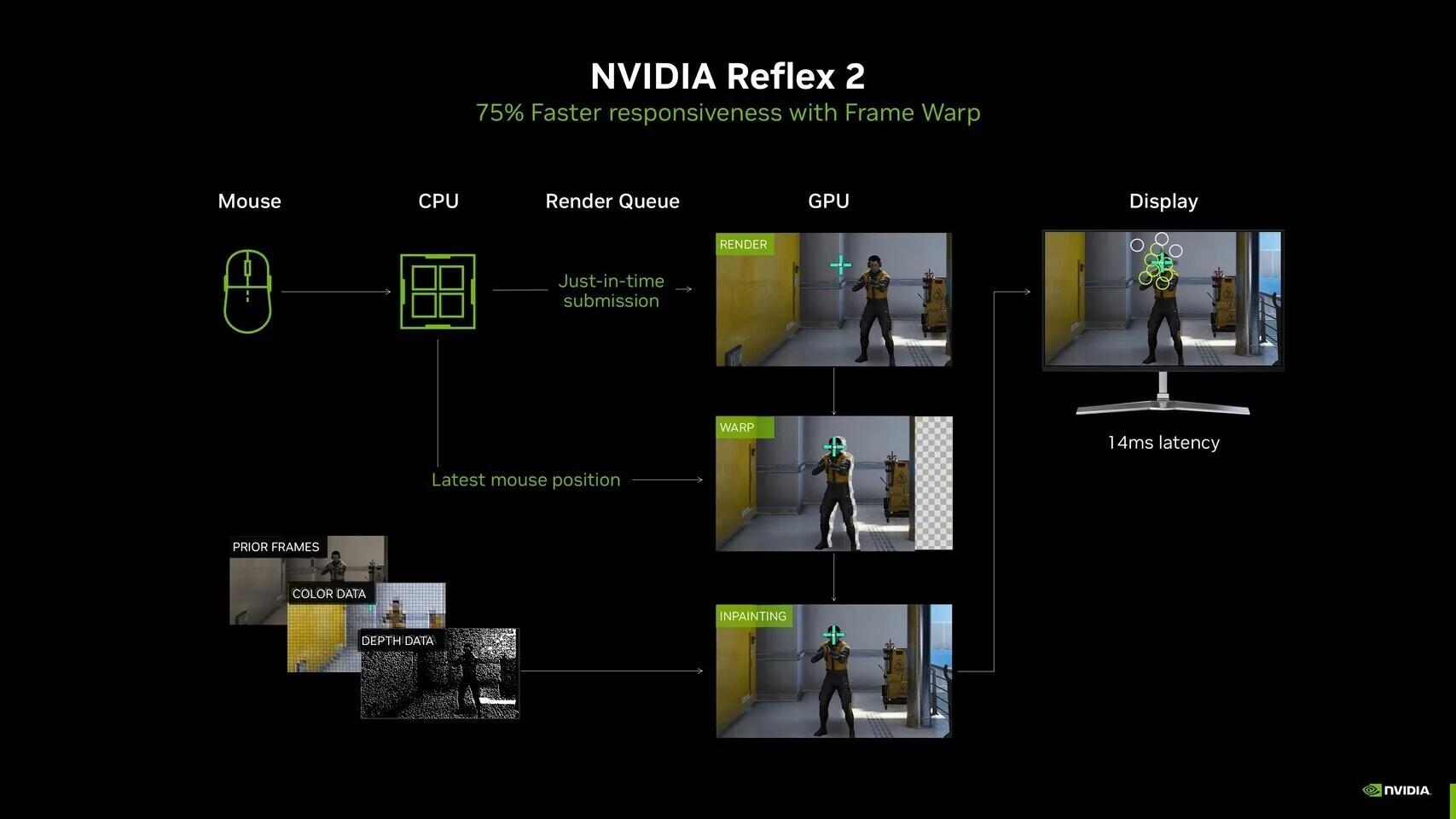
This implementation allows any GPU—whether it be NVIDIA, AMD, or Intel—to utilize markers that synchronize CPU workload submission with GPU availability, fundamentally reducing the time between a mouse click and a pixel change on the screen.
To understand the technical gravity of this development, one must look at how Vulkan layers interact with the graphics stack. Traditionally, reducing latency required deep integration within the driver to prevent the ‘render queue’ from becoming over-saturated. When the CPU works too far ahead of the GPU, latency spikes.
The low_latency_layer intercepts Vulkan API calls to simulate the behavior of Reflex 2 and Anti-Lag 2 by managing frame timing at the application-loader interface. This is particularly vital for Linux gaming, which often relies on translation layers like Proton. By introducing these latency-reduction markers at the API level, the project ensures that the performance overhead typically associated with non-native gaming is minimized, bringing the Linux experience to parity with, or in some cases exceeding, the capabilities of Windows-based environments.
Furthermore, the implications for the Linux ecosystem, especially in the context of the Steam Deck and other handheld PC gaming devices, cannot be overstated. As Valve’s SteamOS continues to gain market share, the demand for high-end features that were previously ‘Windows-only’ has grown exponentially. The low_latency_layer project signals a strategic shift where the open-source community no longer waits for official vendor support but instead builds superior, platform-agnostic alternatives.
This puts pressure on NVIDIA and AMD to reconsider their closed-source strategies. If a community-driven Vulkan layer can provide Reflex-like benefits across all hardware, the marketing value of proprietary software locks diminishes. For the end-user, this results in greater hardware longevity and the freedom to choose components based on raw performance rather than software ecosystem compatibility.
Ultimately, this move by Korthos Software is a sophisticated architectural strike against vendor lock-in, proving that in the era of modern graphics APIs like Vulkan, software-defined performance can effectively bypass the artificial barriers erected by hardware manufacturers.