🔍 Executive Summary
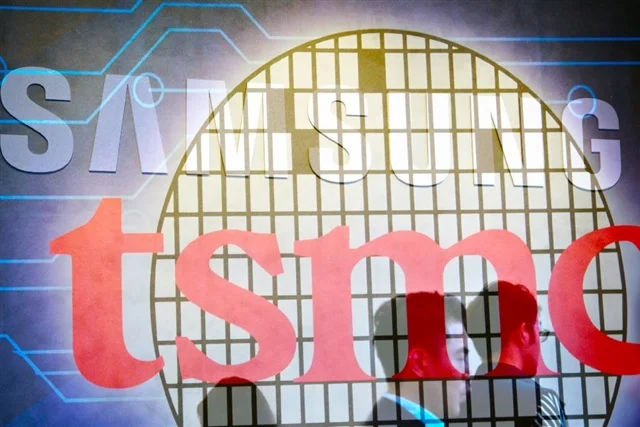
- As of mid-2026, the global foundry industry is witnessing a significant shift as TSMC faces unprecedented supply strain from the AI sector. Competitors such as Samsung and Intel are capitalizing on this by positioning themselves as viable alternatives, with major clients like Apple exploring multi-foundry strategies to mitigate supply chain risks and ensure product availability.
Strategic Deep-Dive
The foundry landscape is entering a period of strategic realignment driven by the insatiable demand for AI-specific hardware. TSMC, while remaining the dominant player, is currently operating at peak capacity, leading to extended lead times for its most advanced nodes. This supply strain has created a strategic opening for Samsung Electronics and Intel Foundry Services (IFS).
As tech giants like Apple and Nvidia look to secure their future product roadmaps, the risks associated with sole-source reliance on TSMC have become a primary boardroom concern.
Samsung is leveraging its early adoption of GAA (Gate-All-Around) transistor architecture to attract high-performance computing (HPC) clients who require cutting-edge efficiency. Simultaneously, Intel is making significant strides with its 18A process, aiming to provide a Western alternative that appeals to companies prioritized by US-centric supply chain policies. The most significant indicator of this shift is the reported interest from Apple—traditionally TSMC’s most loyal customer—in evaluating foundry alternatives for non-core or future components.
This move toward a multi-fab strategy is not necessarily a reflection of TSMC’s technological failure, but rather a pragmatic response to the sheer scale of the AI revolution, which demands more capacity than any single company can provide. The next phase of competition will likely hinge on yield stability and the ability to offer advanced packaging solutions, as the industry moves toward a more fragmented and resilient foundry ecosystem.