🔍 Executive Summary
- A South Korean court has intervened in the Samsung labor dispute, mandating that essential safety and manufacturing personnel remain on-site to prevent irreparable damage to silicon wafers and production equipment.
Strategic Deep-Dive
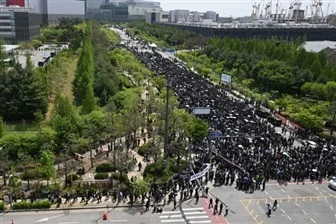
The Suwon District Court’s decision to grant an injunction against the Samsung Electronics union on May 18, 2026, represents a critical intersection of labor law and national industrial strategy. By limiting the scope of the planned May 21 strike, the South Korean judiciary has sent a clear message: while the right to collective action is constitutional, it does not extend to the potential destruction of strategic national assets. The court specifically prohibited union members from occupying manufacturing facilities and, more importantly, mandated that essential personnel responsible for ‘wafer anti-deterioration’ and safety systems must remain at their posts.
This ruling highlights the unique technical vulnerability of semiconductor fabrication, where even a momentary lapse in environmental control can result in the loss of billions of dollars worth of inventory.
Semiconductor manufacturing is perhaps the most unforgiving industrial process in existence. A modern fab operates on a 24/7 cycle with extreme precision in temperature, pressure, and chemical balance. If a strike were to lead to an unplanned shutdown, the consequences would be catastrophic.
Silane gas leaks, power fluctuations, or air filtration failures would not only ruin the current batch of wafers but could also contaminate the specialized equipment, necessitating months of recalibration. By legally enforcing the presence of safety and maintenance staff, the court has ensured that the ‘physical life’ of the factory is protected, even if the ’economic output’ is temporarily reduced. This distinction is vital; it prevents the union from using the physical destruction of property as a bargaining chip, thereby shifting the leverage of the strike toward symbolic and administrative pressure rather than industrial sabotage.
From a global perspective, this injunction is being watched closely by supply chain analysts and international technology firms. Samsung is a lynchpin in the global memory and foundry markets; any disruption in its Suwon or Pyeongtaek facilities ripples through the entire digital economy. The court’s prioritization of ‘manufacturing continuity’ reflects the growing consensus that semiconductors are not mere commercial goods but are essential infrastructure for national security.
Critics of the ruling argue that it sets a dangerous precedent by hollowing out the effectiveness of strikes in the high-tech sector, effectively turning workers into ‘hostages’ of the machinery they operate. However, proponents argue that in the 2026 geopolitical climate, the stability of the chip supply chain is a matter of public interest that outweighs specific labor disputes. As the global ‘chip war’ intensifies, we may see more jurisdictions adopting this ’essential infrastructure’ model for tech labor, where the physical integrity of the fab is treated with the same legal reverence as power plants or hospitals.