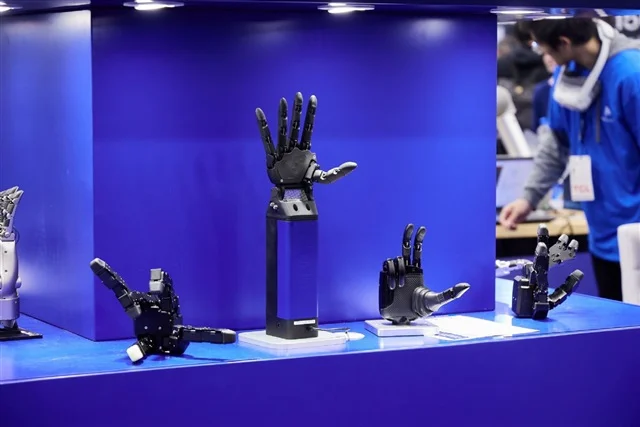
🔍 Executive Summary
- Hyundai Mobis is repurposing its world-class automotive engineering and supply chain expertise to mass-produce high-precision actuators, addressing the primary hardware bottleneck in the global humanoid robotics market.
Strategic Deep-Dive
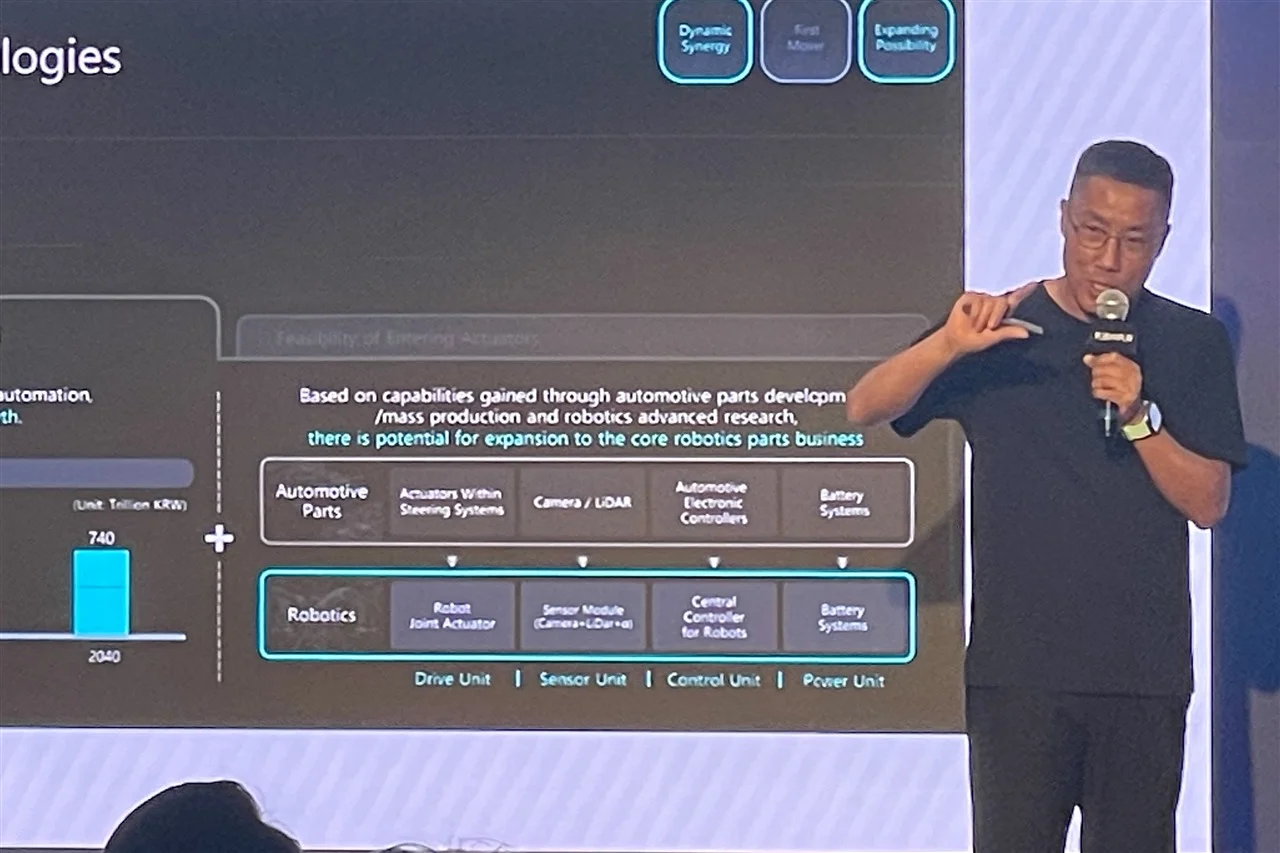
Hyundai Mobis, an established global leader in automotive Tier-1 components, has unveiled a strategic blueprint to dominate the humanoid robotics hardware market by addressing its most critical pain point: the scalable production of actuators. Identifying humanoid robotics as a ‘once-in-a-generation’ opportunity, the company is pivoting its vast manufacturing infrastructure to solve the supply chain bottleneck that currently limits the robotics industry to low-volume, high-cost production. Actuators, which function as the mechanical muscles of a humanoid robot, represent the most complex and expensive component within the hardware stack.
By leveraging the principles of automotive mass production, Hyundai Mobis aims to commoditize these precision components, effectively lowering the barrier to entry for the entire robotics sector.
The technical specifications for robotic actuators are significantly more rigorous than those for standard industrial automation. To enable human-like movement, an actuator must achieve an exceptional torque-to-weight ratio while maintaining sub-millimeter precision. Hyundai Mobis is drawing upon its extensive experience in designing Electric Power Steering (EPS) motors and Electronic Braking Systems (EBS) to engineer a new class of robotic joints.
These actuators integrate high-efficiency permanent magnet motors with specialized cycloidal or harmonic drive reducers to ensure high torque density in a compact form factor. A major technical challenge lies in thermal management; as actuators perform dynamic tasks, they generate significant heat that can degrade performance or lead to mechanical failure. Hyundai Mobis is applying advanced materials and automotive-grade cooling architectures to ensure that these joints can operate continuously in industrial or service environments.
Moreover, the company is implementing its rigorous quality control standards, developed for the zero-defect requirements of the automotive industry, to ensure the long-term reliability of robotic hardware.
From an industry-wide perspective, the entry of a Tier-1 automotive giant into the robotics supply chain signals the beginning of the ‘industrialization phase’ of humanoid robots. Until now, the humanoid market has been characterized by bespoke hardware and fragmented supply chains. Hyundai Mobis’s ability to manufacture hundreds of thousands of identical, high-precision units will facilitate the standardization of robotic joint modules.
This standardization is a prerequisite for the mass deployment of physical AI agents in sectors such as manufacturing, logistics, and elder care. As companies like Tesla and Figure push the boundaries of robotic software, Hyundai Mobis is positioning itself as the indispensable architect of the underlying hardware infrastructure. The shift from specialized components to standardized, mass-produced robotic modules will fundamentally alter the economics of physical AI, moving the industry closer to a future where humanoid robots are as ubiquitous and affordable as the automobiles that Hyundai Mobis has helped build for decades.
The company’s strategic pivot represents a broader trend of cross-industry convergence, where the mechanical expertise of the automotive past becomes the foundational hardware of the robotic future.