🔍 Executive Summary
- China’s semiconductor equipment sector is transitioning into a high-stakes 'demanding phase,' where domestic tools from firms like AMEC must prove their ability to match global benchmarks for yield, reliability, and throughput within SMIC’s mass production lines.
Strategic Deep-Dive
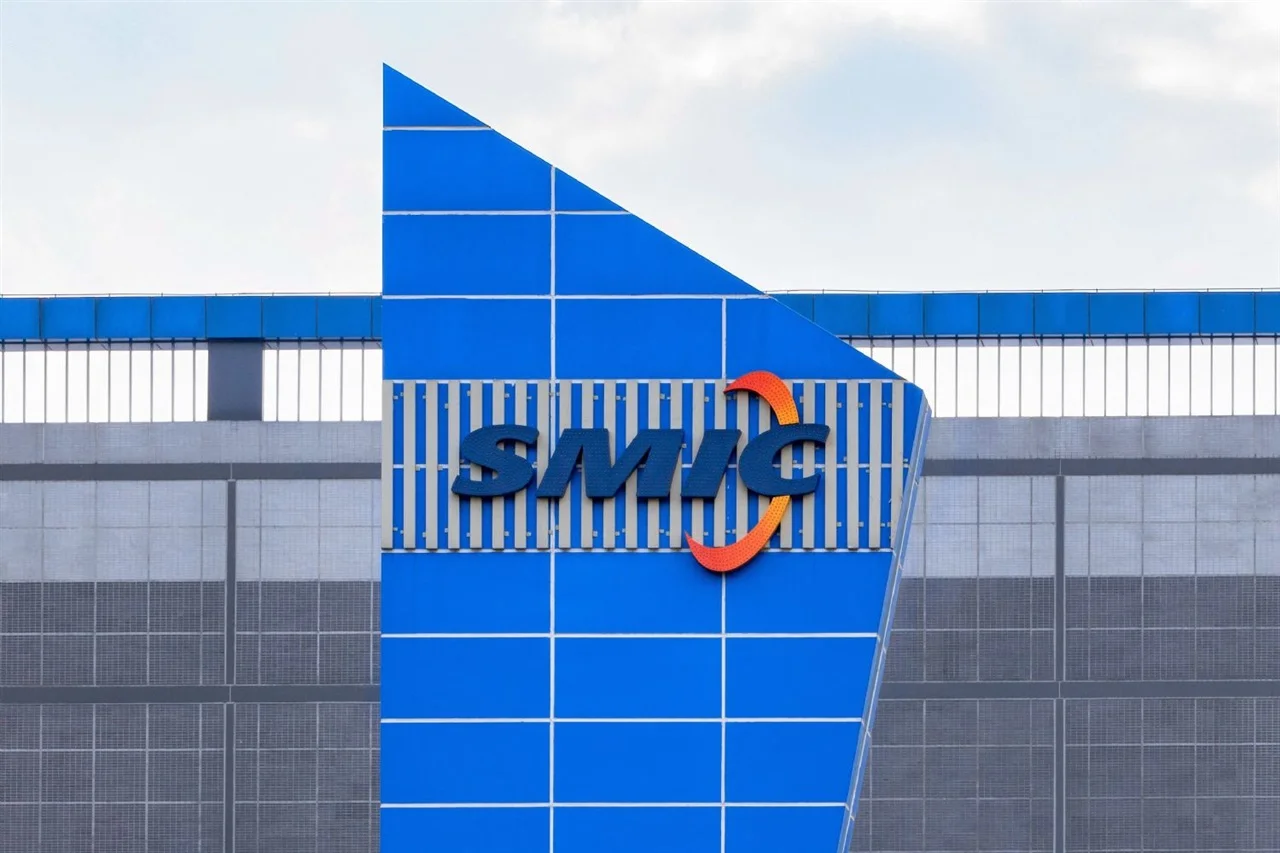
China’s campaign for semiconductor self-sufficiency is entering a critical maturity phase that specialists describe as the ‘demanding phase.’ The initial era of Chinese localization was characterized by proving that domestic alternatives could functionally replicate the processes of foreign tools. Today, the focus has shifted toward the brutal realities of High Volume Manufacturing (HVM). In collaboration with SMIC, Chinese equipment giants like AMEC are now being tested on their ability to sustain production-grade reliability, consistency, and throughput—metrics that define the economic lifeblood of a semiconductor fab.
In a production-scale environment, it is not enough for a tool to perform an etch or deposition; it must do so with a high ‘Wafers Per Spinner Hour’ (WSPH) and minimal ‘Mean Time Between Failures’ (MTBF). Any deviation in process consistency leads to yield loss, which is unacceptable in an industry with multi-billion dollar CAPEX. The integration of domestic tools into SMIC’s advanced process flows represents a high-stakes bet on vertical integration.
Chinese architects are essentially attempting to discover the ‘Process Window’ of their own equipment while operating under the shadow of international trade restrictions. This phase requires a deep level of synchronization between the tool designer and the process engineer, a synergy that is typically built over decades in the Western and East Asian semiconductor hubs. Success in this phase would mark a point of no return for China’s semiconductor autonomy, effectively establishing a parallel ecosystem that can operate independently of the global equipment duopoly.
However, the hurdle is immense; matching the throughput-optimized architectures of global leaders requires not just mechanical precision but sophisticated software control and material science innovations. As AMEC and other local champions deepen their deployment in SMIC’s Fabs, the industry is watching for data on ‘Yield-to-Market’ speed. If China can achieve parity in these operational metrics, it will have successfully converted its geopolitical necessity into a sustainable industrial advantage.
If not, the ’localization’ drive may remain restricted to trailing-edge nodes, unable to compete on the global stage for leading-edge compute capabilities.