🔍 Executive Summary
- Intel and Qualcomm are reportedly eyeing Tenstorrent, the Jim Keller-led pioneer in RISC-V architecture, in a strategic bid to acquire an immediate, high-performance alternative to Nvidia’s dominant AI hardware stack.
Strategic Deep-Dive
The Strategic Rationale Behind a Tenstorrent Takeover
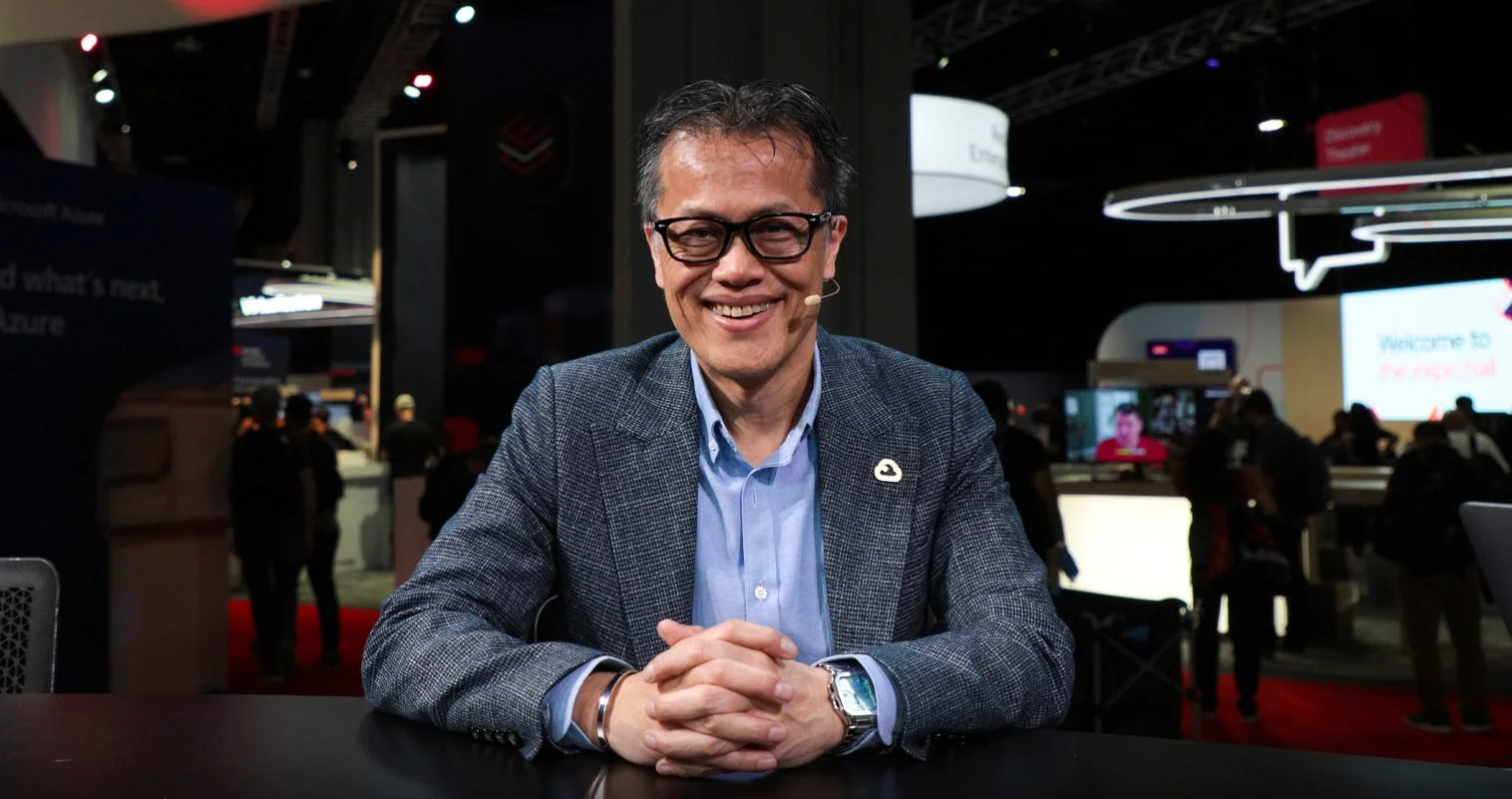
The reported interest from Intel and Qualcomm in Tenstorrent is a defining moment for the semiconductor industry, marking the ‘Nvidia-alternative trade’ as a top-tier corporate priority. Tenstorrent, under the leadership of Jim Keller—the architect behind transformative silicon at Apple, AMD, and Tesla—offers more than just another AI chip; it offers a fundamentally different philosophy of compute. For Intel, which has struggled to gain significant ground with its Gaudi line, or Qualcomm, which seeks to transcend its mobile-centric identity, Tenstorrent represents an infusion of elite talent and a radical roadmap.
Acquiring a company valued at $3.2 billion would be a bold move to bridge the architectural gap between current-gen accelerators and the decentralized, high-efficiency compute required for the agentic AI era.
RISC-V as the Technical Moat and Weapon
At the heart of the Tenstorrent allure is its commitment to RISC-V. As the industry grows increasingly wary of ARM’s licensing costs and proprietary constraints, RISC-V provides an open-standard alternative that allows for unprecedented customization. Jim Keller’s vision for Tenstorrent involves ‘Lego-like’ chiplets and a programmable architecture that avoids the bottlenecks of traditional x86 and ARM designs.
This is the ‘so what’ for the global hardware market: an acquisition would give Intel or Qualcomm the keys to an open-source hardware kingdom, allowing them to build custom AI silicon that is highly optimized for specific workloads without paying a ’tax’ to a third-party architect. This move toward architectural sovereignty is essential for any company hoping to challenge Nvidia’s vertically integrated H100 and B200 ecosystems.
The Jim Keller Factor and Market Consolidation
Any discussion of Tenstorrent must account for the ‘Jim Keller factor.’ In the world of semiconductor engineering, Keller is a singular figure whose presence alone adds billions in perceived value to a project. His focus at Tenstorrent has been on disaggregating the monolithic approach to compute, favoring a more modular and scalable system. For an acquirer like Intel or Qualcomm, the challenge will be cultural as much as technical.
Integrating a high-velocity, visionary startup into a legacy corporate structure often stifles the very innovation that made the target attractive. However, the pressure to deliver a viable alternative to Nvidia’s Blackwell architecture is so immense that these tech giants are willing to take the risk. A successful acquisition would consolidate the ‘AI insurgent’ market, bringing RISC-V into the mainstream of enterprise data centers.
Future Implications: Breaking the CUDA Barrier
The ultimate goal of acquiring Tenstorrent would be to break Nvidia’s software-hardware lock-in. While Nvidia’s CUDA remains the industry standard, Tenstorrent’s hardware is designed to be more flexible, potentially allowing for a more seamless transition to open software frameworks. If Intel or Qualcomm can combine their massive manufacturing and distribution scale with Tenstorrent’s superior RISC-V architecture, they could offer a cost-performance ratio that forces Nvidia to rethink its pricing power.
Furthermore, with backers like Samsung and Bezos Expeditions already in the mix, Tenstorrent is already at the center of a geopolitical and financial web that values hardware independence. This acquisition rumor signals that the era of AI chip startups is moving into an era of grand consolidation, where the biggest players are buying their way into the future of compute.