🔍 Executive Summary
- Five years after its initial launch, Microsoft is updating Windows 11 to reintroduce highly requested taskbar options. Ongoing tests include a smaller taskbar mode and a more customizable Start menu, addressing long-standing user feedback regarding UI flexibility and power-user requirements.
Strategic Deep-Dive
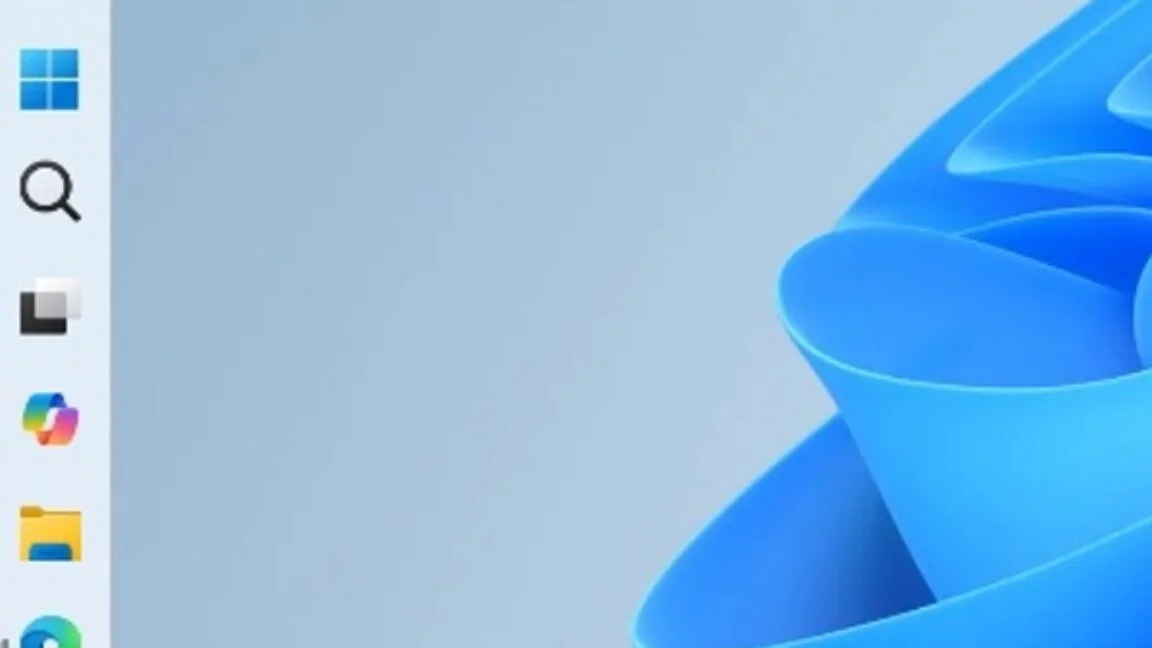
Five years into the lifecycle of Windows 11, Microsoft is addressing one of the most persistent criticisms of its operating system: the lack of taskbar flexibility. Recent developments in the testing builds indicate that Microsoft is finally bringing back several much-missed taskbar options that were stripped away in the initial redesign. This pivot suggests that Microsoft is moving toward a more pragmatic balance between its modern aesthetic vision and the functional demands of its diverse user base.
Among the key updates being tested is the reintroduction of a smaller taskbar option, allowing users to reclaim screen real estate, which is particularly beneficial for those on smaller displays or high-resolution monitors. Additionally, Microsoft is iterating on the Start menu, providing users with more robust customization tools to organize and access their applications. These changes reflect a broader trend of listening to community feedback to refine the UX/UI experience.
While Windows 11 was launched with a focus on a centralized, simplified interface, the demand for power-user features has remained high, prompting this five-year trajectory of re-evaluating core interface elements. As these features move from testing to general availability, they represent a significant step in the ongoing evolution of Windows 11 as a productivity-focused platform.