🔍 Executive Summary
- In a development that has stunned the global semiconductor industry, TSMC’s Arizona manufacturing site has officially transitioned into a profitable operation. This milestone directly contradicts years of pessimistic forecasting from industry veterans, including TSMC’s legendary founder Morris Chang, who famously characterized the US expansion as a costly and potentially disastrous endeavor. The narrative of high labor costs, cultural friction, and logistical nightmares has been replaced by a financial reality where the Arizona fab’s individual profitability has reportedly eclipsed the combine...
Strategic Deep-Dive
The Arizona Anomaly: TSMC’s Strategic Victory in the US
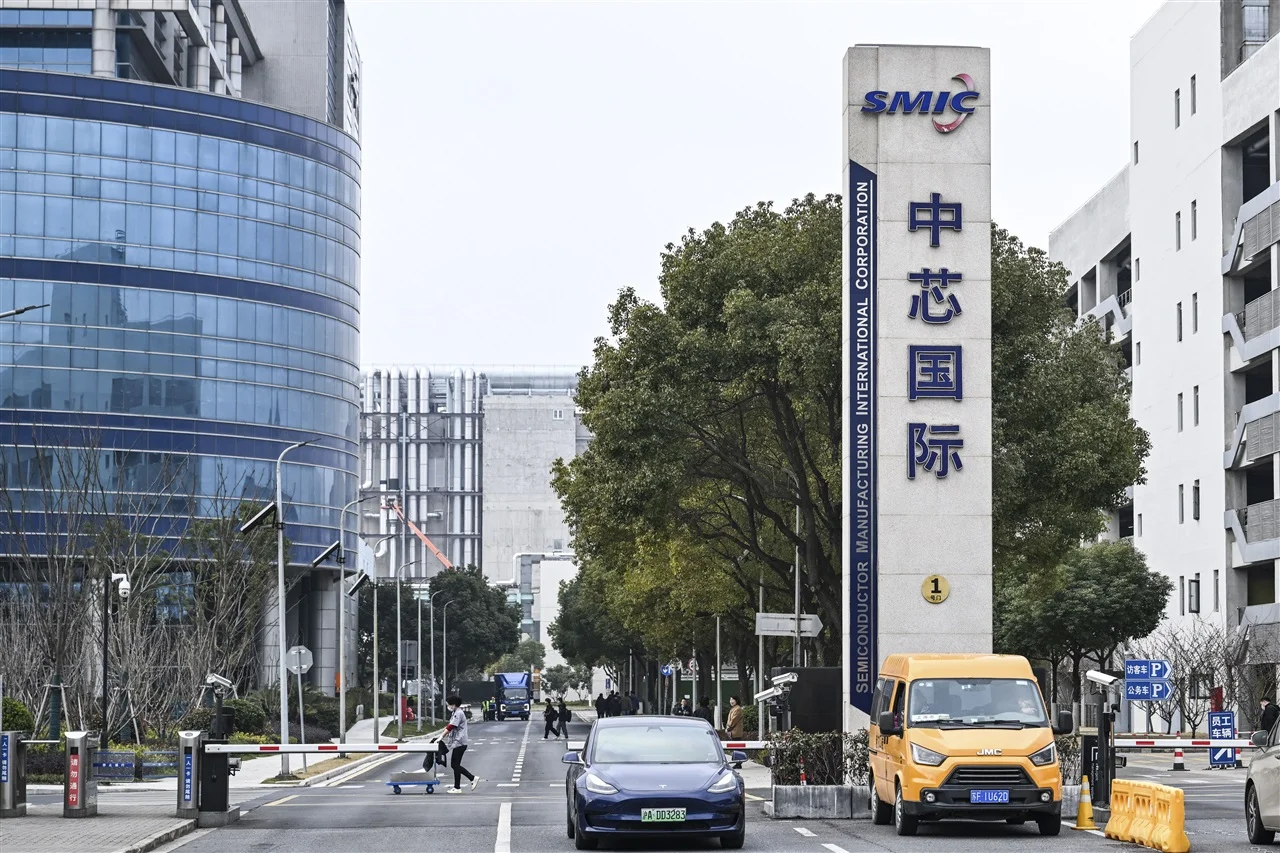
In a development that has stunned the global semiconductor industry, TSMC’s Arizona manufacturing site has officially transitioned into a profitable operation. This milestone directly contradicts years of pessimistic forecasting from industry veterans, including TSMC’s legendary founder Morris Chang, who famously characterized the US expansion as a costly and potentially disastrous endeavor. The narrative of high labor costs, cultural friction, and logistical nightmares has been replaced by a financial reality where the Arizona fab’s individual profitability has reportedly eclipsed the combined net income of global foundry giants SMIC and UMC.
This shift marks a watershed moment for the “CHIPS Act” era and TSMC’s broader global footprint.
Six Years of Grit: Decoding the Profitability Drivers
According to deeply embedded supply-chain sources, this turnaround is the result of a grueling six-year process of incremental optimization and systemic ramp-up. Three primary drivers have facilitated this surprising financial performance. First, the 6-year optimization period allowed TSMC to bridge the gap between Taiwanese engineering culture and the American labor market.
By meticulously tweaking automated processes and stabilizing the supply chain for chemicals and wafers within the US, the fab reached a level of operational efficiency that was previously thought to be impossible outside of Taiwan.
Second, the “American-made” premium has played a critical role. Major clients like Apple, NVIDIA, and AMD, who are sensitive to geopolitical risks, have demonstrated a willingness to pay a premium for silicon produced on US soil. This higher ASP (Average Selling Price) has effectively buffered TSMC against the elevated operational expenses inherent in the US market.
Third, the sheer technological lead TSMC maintains over SMIC and UMC cannot be overstated. While SMIC focuses on domestic Chinese demand and UMC on specialized legacy nodes, TSMC Arizona handles high-margin advanced logic chips. The yield parity achieved with its Taiwanese facilities means that TSMC can extract maximum value from every wafer processed, creating a profit margin that aggregate competitors simply cannot match.
Implications for Global Semiconductor Hegemony
The profitability of the Arizona fab is more than just a financial win; it is a proof of concept for the geographic diversification of advanced logic manufacturing. It demonstrates that with the right combination of long-term capital commitment, technical discipline, and strategic customer alignment, even high-cost regions can yield high-profit silicon. For competitors like Intel and Samsung, the success of TSMC Arizona sets a dauntingly high benchmark for their own US-based foundry aspirations.
Furthermore, it reinforces TSMC’s role as the indispensable partner for the AI revolution, proving that its profit-making machine is portable across continents. This development secures TSMC’s dominance and suggests that the future of semiconductor manufacturing will be defined by operational excellence rather than just geographic location.