🔍 Executive Summary
- India's inauguration of the Rajasthan semiconductor plant on May 15 signals its emergence as a viable manufacturing alternative, leveraging policy incentives to overcome infrastructure hurdles and secure a spot in the global supply chain.
Strategic Deep-Dive
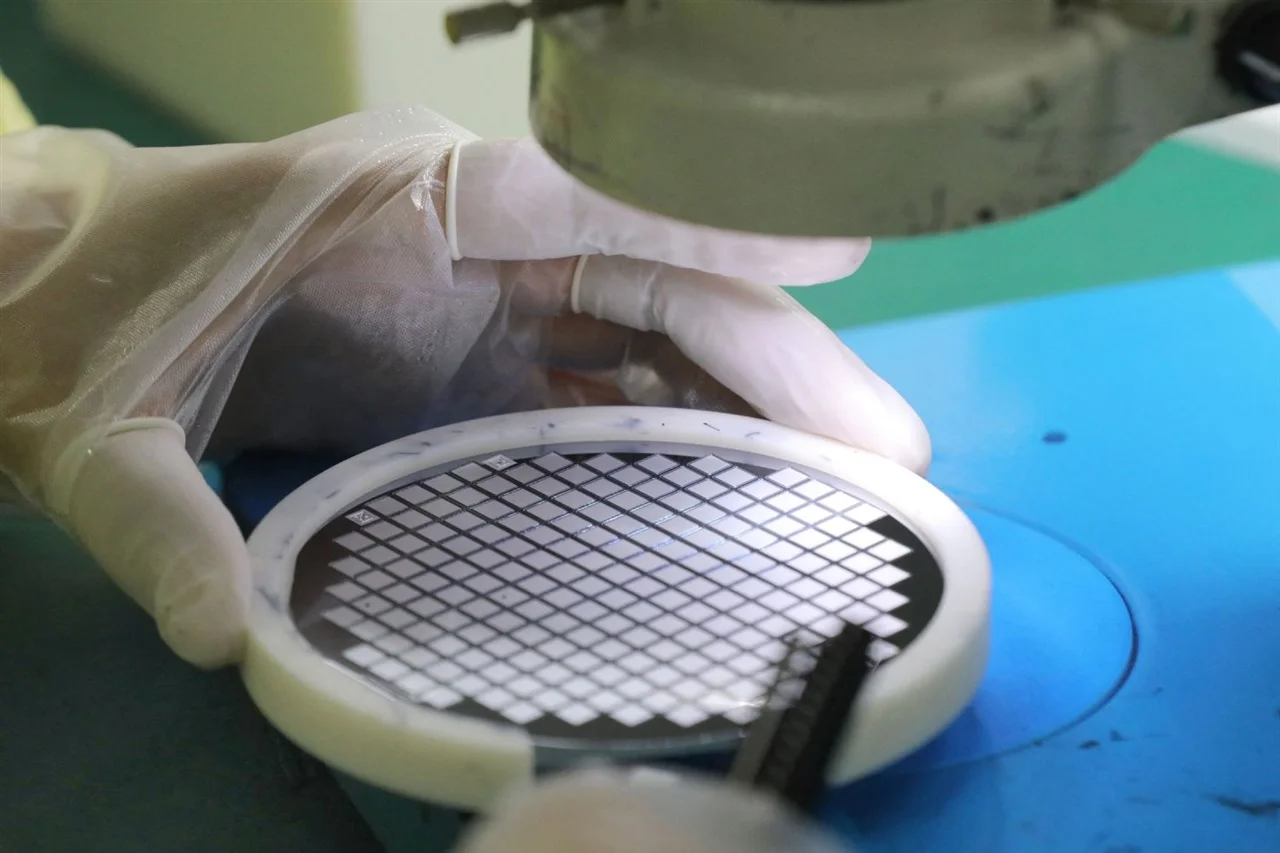
The inauguration of Rajasthan’s first semiconductor plant on May 15 is a landmark event that signals India’s transition from a design-centric powerhouse to a full-stack manufacturing contender. For years, India has been the global back-office for chip design, hosting R&D centers for every major semiconductor firm. However, the ‘India Semiconductor Mission’ (ISM) seeks to bridge the gap into physical fabrication.
This facility is the physical embodiment of that ambition. From an architectural and industrial standpoint, establishing a fab in Rajasthan is a bold move. The region’s climate requires specialized HVAC systems and clean-room technologies capable of maintaining the rigorous standards required for semiconductor yields amidst high external temperatures and dust levels.
This isn’t just about building a factory; it’s about establishing a high-tech ecosystem in a geography that has historically been industrial but not necessarily high-precision.
The strategic value of the Rajasthan plant lies in its alignment with the global ‘China+1’ diversification strategy. As lead data architects evaluate supply chain resilience, the over-reliance on the Taiwan Strait and mainland Chinese clusters has become a point of systemic risk. India is positioning itself as the democratic alternative with a massive domestic market and a favorable demographic dividend.
To compete with established clusters like Hsinchu in Taiwan or Suzhou in China, the Indian government has introduced aggressive fiscal support, offering up to 50% of project costs for silicon fabs. However, fiscal incentives are only half the battle. The long-term viability of India’s semiconductor push depends on the ‘hard’ infrastructure.
Semiconductor fabrication is an incredibly thirsty and energy-intensive process. A single fab can consume millions of gallons of high-purity water (UPW) daily and requires a power grid with zero-tolerance for voltage sags. The Rajasthan site serves as a litmus test for India’s capability to deliver these utilities with the same reliability as the Science Parks in Taiwan.
Moreover, the successful operation of this plant will necessitate the growth of a localized supplier network. For a semiconductor hub to thrive, it needs more than just a fab; it needs nearby suppliers of specialty gases, high-purity chemicals, and photomask services. The Indian industrial policy is designed to foster this ‘ancillary ecosystem.’ If Rajasthan can prove that it can maintain world-class yields, it will likely trigger a cascade of secondary investments from Global OSAT (Outsourced Semiconductor Assembly and Test) players and equipment vendors.
This would create a self-sustaining loop, reducing the total landed cost of electronics manufactured in India. While India still faces hurdles in terms of logistics efficiency and specialized workforce training, the May 15 inauguration proves that the political will to overcome these obstacles is institutionalized. As the global semiconductor landscape fragments into localized clusters, India’s Rajasthan facility stands as a critical node in a new, more diversified global hardware architecture.
The world is watching to see if India can scale this model from a single success story into a nationwide manufacturing revolution.