🔍 Executive Summary
- TSMC’s ambitious expansion into the United States has reached a definitive financial tipping point, silencing skeptics who questioned the economic viability of American-made chips. According to the latest performance data, TSMC’s Arizona Fab 21 recorded a staggering Q1 2026 profit of NT$ 18.8 billion (approximately US$ 595 million). This figure is particularly remarkable as it surpasses the facility's total profit for the entire fiscal year of 2025, which totaled NT$ 16.14 billion (approx. US$ 510 million). Compared to the US$ 15.6 million profit reported in Q1 2025, this represents an exponen...
Strategic Deep-Dive
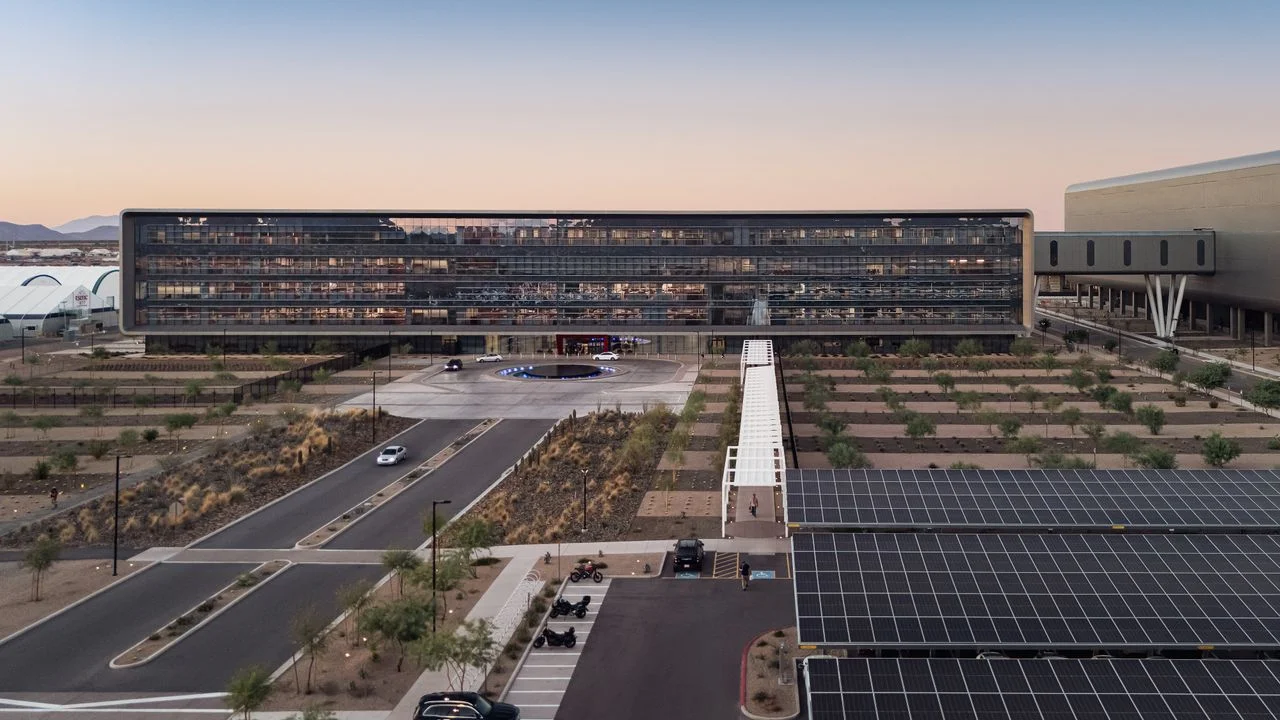
TSMC’s ambitious expansion into the United States has reached a definitive financial tipping point, silencing skeptics who questioned the economic viability of American-made chips. According to the latest performance data, TSMC’s Arizona Fab 21 recorded a staggering Q1 2026 profit of NT$ 18.8 billion (approximately US$ 595 million). This figure is particularly remarkable as it surpasses the facility’s total profit for the entire fiscal year of 2025, which totaled NT$ 16.14 billion (approx.
US$ 510 million). Compared to the US$ 15.6 million profit reported in Q1 2025, this represents an exponential year-over-year surge, signaling that the facility has transitioned from its tumultuous ramp-up phase into a high-margin maturity phase.
The trajectory of Fab 21 is a testament to TSMC’s operational resilience. The project was initially plagued by high-profile challenges, including a well-documented culture clash between Taiwanese management and the American workforce, prolonged labor union disputes, and logistical delays in construction. However, the current financial data indicates that these ’teething pains’ have been largely mitigated.
Industry analysts suggest that manufacturing yields at the Arizona site are now approaching the industry-leading standards of TSMC’s fabs in Tainan and Hsinchu. As yields stabilize, the high capital expenditure begins to be offset by consistent output. While TSMC traditionally maintains gross margins exceeding 50% in Taiwan, the ability to generate significant profit in the US—a high-cost environment—validates the strategic integration of CHIPS Act incentives and the premium pricing tier established for domestic production.
Strategically, this success story provides a crucial tailwind for the ‘onshoring’ movement championed by the US government. For major clients like Apple, NVIDIA, and AMD, the proven profitability of Fab 21 reduces the perceived risk of shifting high-end 4nm and 5nm orders to American soil. It proves that the ‘Silicon Shield’ can be extended geographically without sacrificing the company’s bottom line.
Furthermore, the rapid profitability of the first phase creates a robust financial justification for the ongoing investment in Phase 2 and Phase 3 of the Arizona complex. By demonstrating that it can replicate its sophisticated manufacturing ecosystem outside of its domestic base, TSMC has not only secured its position as the world’s premier foundry but has also established Arizona as a competitive global hub for leading-edge semiconductor fabrication. The financial performance of Fab 21 is no longer just a metric of success for TSMC; it is a validation of the entire US strategy to reclaim semiconductor manufacturing leadership.