🔍 Executive Summary
- TSMC’s Japanese subsidiary, JASM, has reached its first quarterly profit since mass production began, providing a critical financial and strategic proof of concept for the foundry's international expansion strategy beyond its Taiwan-centric roots.
Strategic Deep-Dive
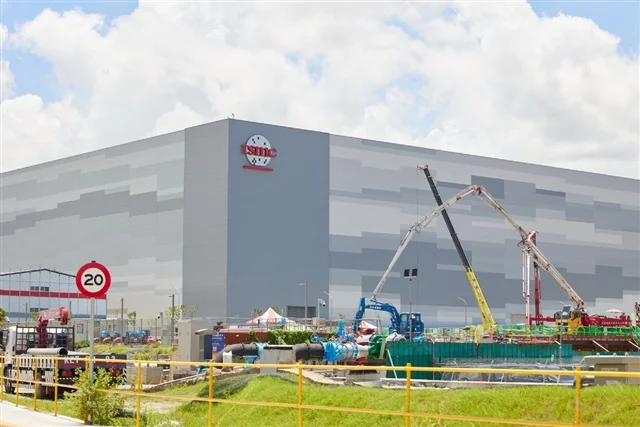
The transition of TSMC’s Japanese venture, JASM (Japan Advanced Semiconductor Manufacturing), into profitability marks a pivotal shift in the semiconductor industry’s geopolitical and economic landscape. Historically, TSMC has utilized a highly centralized manufacturing cluster in Taiwan to achieve unparalleled economies of scale. The JASM milestone proves that its world-class manufacturing execution can indeed be exported successfully without compromising margins.
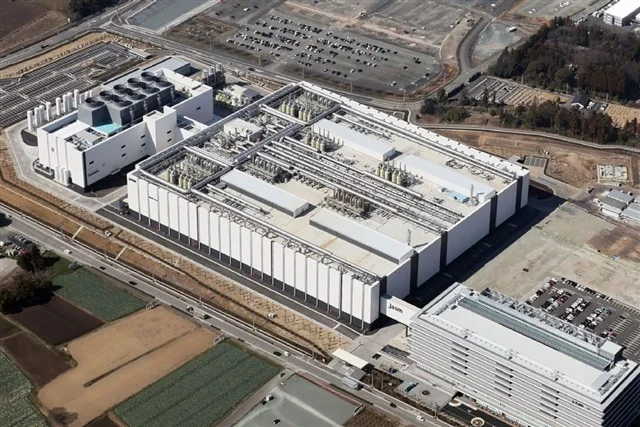
The Kumamoto-based facility’s ability to post a quarterly profit so soon after starting mass production is a testament to the ‘Glocalization’ model—blending global technological leadership with local industrial synergy. Several factors contributed to this early financial success. First, the strategic alignment with local giants like Sony and Denso ensured a robust and immediate off-take for specialized process nodes, particularly for image sensors and automotive microcontrollers.
Second, the Japanese government’s proactive fiscal policy, providing substantial subsidies, mitigated the typical ‘CAPEX recovery’ hurdles that plague overseas fab expansions. Architecturally, the JASM fab benefited from Japan’s mature ecosystem of material science and equipment suppliers, reducing supply chain friction compared to the logistics-heavy environment of the US-based Arizona projects. This success effectively counters the narrative that overseas chip manufacturing is inherently less efficient than the Taiwanese model.
For global tech architects and investors, JASM represents a blueprint for ‘Geopolitical De-risking’ that doesn’t sacrifice profitability. It signals to other nations that providing a holistic ecosystem—including infrastructure, specialized labor, and sub-tier suppliers—is essential to attracting and sustaining advanced foundry operations. As TSMC moves forward, the JASM case study will likely accelerate its confidence in further internationalizing its manufacturing footprint, potentially scaling to even more advanced nodes in the Kyūshū Semiconductor Cluster.
This strategic victory not only solidifies TSMC’s position as a global leader but also revitalizes Japan’s standing as a premier destination for high-end logic manufacturing, creating a symbiotic relationship that balances regional stability with technological advancement.