🔍 Executive Summary
- An executive analysis of AMD's strategic transition toward chiplet-based APU designs, focusing on how the Strix Halo architecture aims to deliver discrete-level GPU performance within an integrated package.
Strategic Deep-Dive
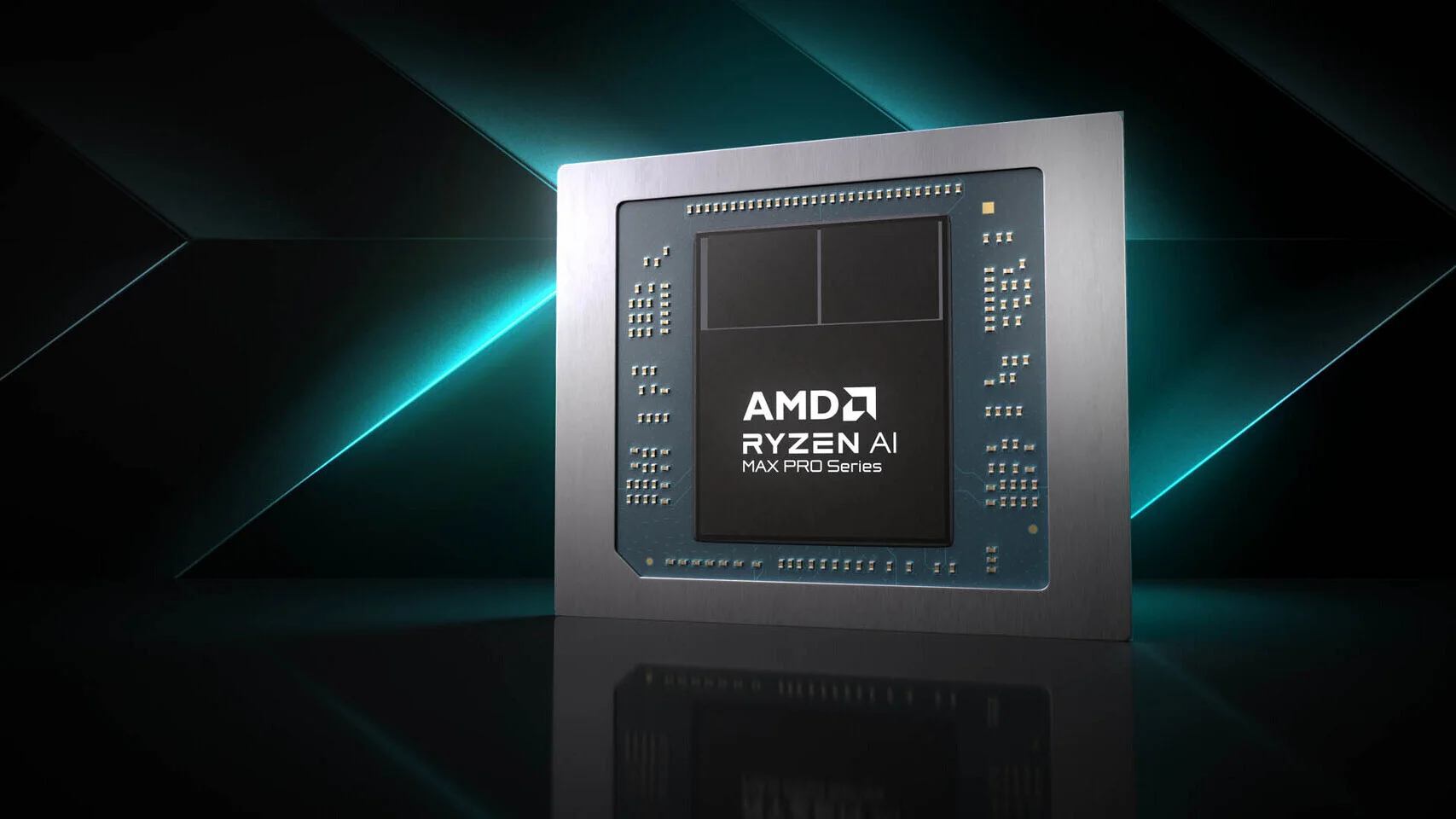
The introduction of AMD’s Strix Halo marks a definitive shift in the trajectory of mobile and small-form-factor computing. For years, the industry accepted a rigid trade-off: integrated graphics were for power efficiency, while discrete GPUs were necessary for professional-grade performance. With the Strix Halo, AMD is dismantling this dichotomy by applying its highly successful chiplet methodology to the APU category for the first time.
This architectural disaggregation allows AMD to combine multiple specialized dies into a single, high-performance package that challenges the status quo of both mobile workstations and gaming laptops.
At the heart of Strix Halo lies a strategic disaggregation of components. By utilizing different process nodes for the CPU compute dies (CCDs) and the Graphics Compute Die (GCD), AMD can maximize yields and performance characteristics for each specific function. This architecture leverages the latest Zen 5 CPU cores alongside a massive array of RDNA 3.5 graphics units—reportedly up to 40 Compute Units (CUs).
To contextualize this power, such a configuration potentially rivals mid-range discrete mobile GPUs like the NVIDIA RTX 4060. The implications are profound: by eliminating the need for a separate GPU chip and its associated dedicated VRAM, manufacturers can drastically simplify motherboard designs, improve thermal management, and reduce the overall physical footprint of the device without sacrificing a single TFLOPS of performance.
Furthermore, the Strix Halo design addresses the perennial ‘memory wall’ that has historically crippled high-end integrated graphics. Through the integration of a massive 256-bit memory bus supporting LPDDR5X-8533 and significant on-package caching mechanisms (Mall/Infinity Cache), AMD ensures that the GPU remains fed with data, minimizing latency and maximizing throughput. This is not merely a boost for gamers; it is a critical evolution for the AI PC era.
With the rise of local AI processing via dedicated NPUs and high-performance shaders, the balanced architecture of Strix Halo positions AMD as a leader in delivering the raw compute power and memory bandwidth required for complex Large Language Model (LLM) inference on the edge.
In conclusion, Strix Halo represents a masterclass in architectural orchestration. It moves beyond the limitations of monolithic transistor shrinking and instead finds performance through clever system-level integration. For the consumer, this results in thinner, more capable machines with extended battery life.
For the competitor, it represents a formidable challenge to the traditional discrete GPU market. As AMD continues to refine this chiplet strategy, we are likely witnessing the beginning of the end for entry-to-mid-level discrete mobile graphics cards, as the APU finally achieves its long-promised potential of being the ‘one chip to rule them all.’