🔍 Executive Summary
- DB HiTek, South Korea's leading specialty foundry, is navigating a turbulent transition as its strategic push into next-generation power semiconductors encounters significant headwinds. The company has been aggressively investing in Silicon Carbide (SiC) and Gallium Nitride (GaN) technologies—materials known as Wide Bandgap (WBG) semiconductors—to capture the surging demand from the electric vehicle (EV) and renewable energy sectors. However, the complexity of managing these materials has proven to be a formidable barrier. Unlike traditional silicon processes, SiC and GaN require specialized e...
Strategic Deep-Dive
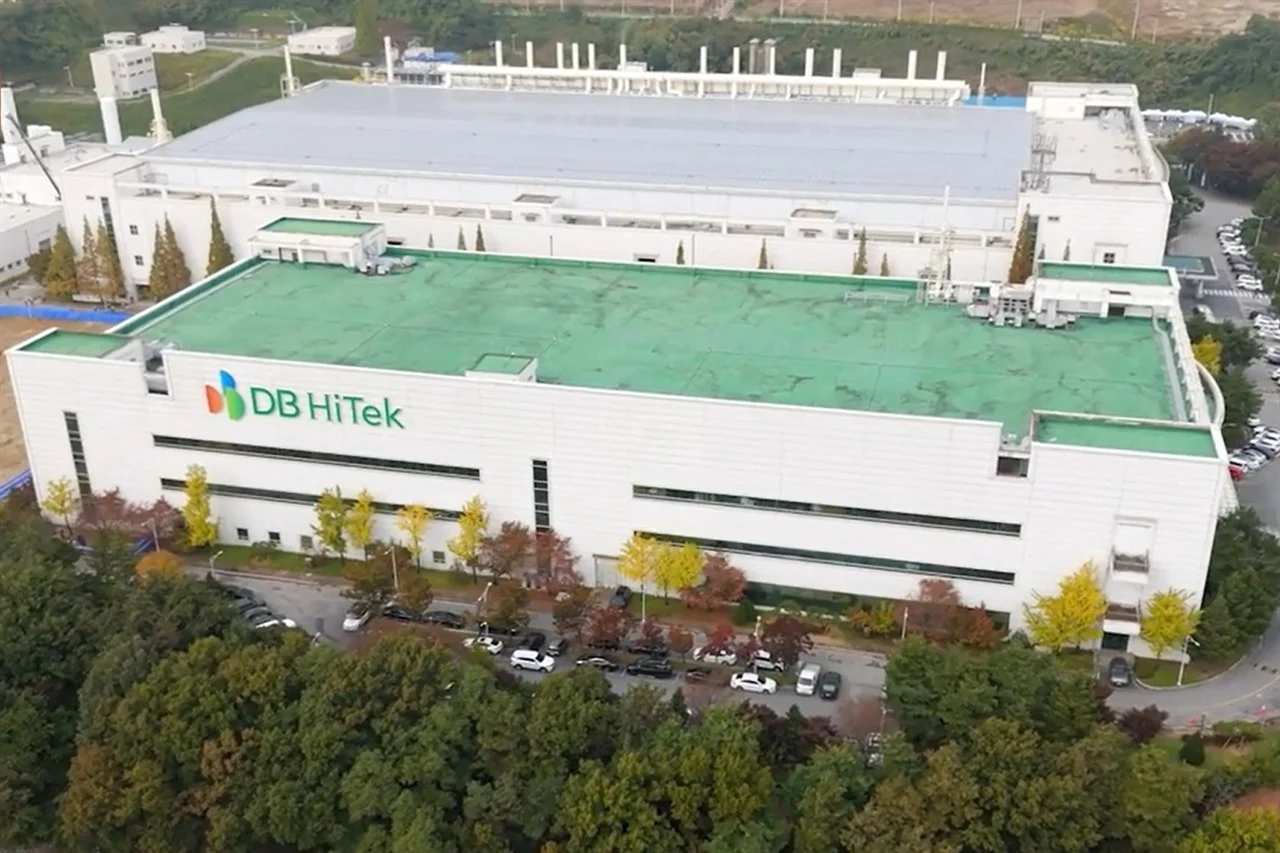
DB HiTek, South Korea’s leading specialty foundry, is navigating a turbulent transition as its strategic push into next-generation power semiconductors encounters significant headwinds. The company has been aggressively investing in Silicon Carbide (SiC) and Gallium Nitride (GaN) technologies—materials known as Wide Bandgap (WBG) semiconductors—to capture the surging demand from the electric vehicle (EV) and renewable energy sectors. However, the complexity of managing these materials has proven to be a formidable barrier.
Unlike traditional silicon processes, SiC and GaN require specialized equipment and highly stable thermal management during the epitaxial growth and etching phases. DB HiTek is currently grappling with a slower-than-anticipated production ramp-up, which threatens its timeline for high-volume manufacturing.
The situation is further exacerbated by a cooling global EV market. As consumer demand for electric vehicles experiences a temporary plateau, major automakers are re-evaluating their semiconductor inventory levels, leading to a more cautious procurement environment. This ‘market winter’ hits late-movers like DB HiTek particularly hard.
While established leaders such as STMicroelectronics and Wolfspeed have already secured long-term supply agreements and achieved economies of scale, DB HiTek must prove its process reliability and yield stability to attract top-tier customers. The delay in scaling up 8-inch SiC capabilities could result in a significant competitive gap, as the industry begins to consolidate around those who can offer the best price-to-performance ratio. For DB HiTek, the challenge now is to accelerate technical optimization while navigating a high-stakes environment where any further delay could mean missing the next major growth cycle in the power semiconductor landscape.