🔍 Executive Summary
- Intel China has officially unveiled 'Project Firefly,' a strategic manufacturing initiative designed to disrupt the budget laptop market by adopting the highly efficient production methodologies of the Chinese smartphone supply chain. The primary objective of this project is to produce and distribute laptops powered by Intel’s Wildcat Lake processors at a price point significantly below the $600 threshold. This move is widely interpreted as a direct counter-offensive against Apple's rumored 'MacBook Neo,' aiming to capture the price-sensitive segment of the portable computing market where Inte...
Strategic Deep-Dive
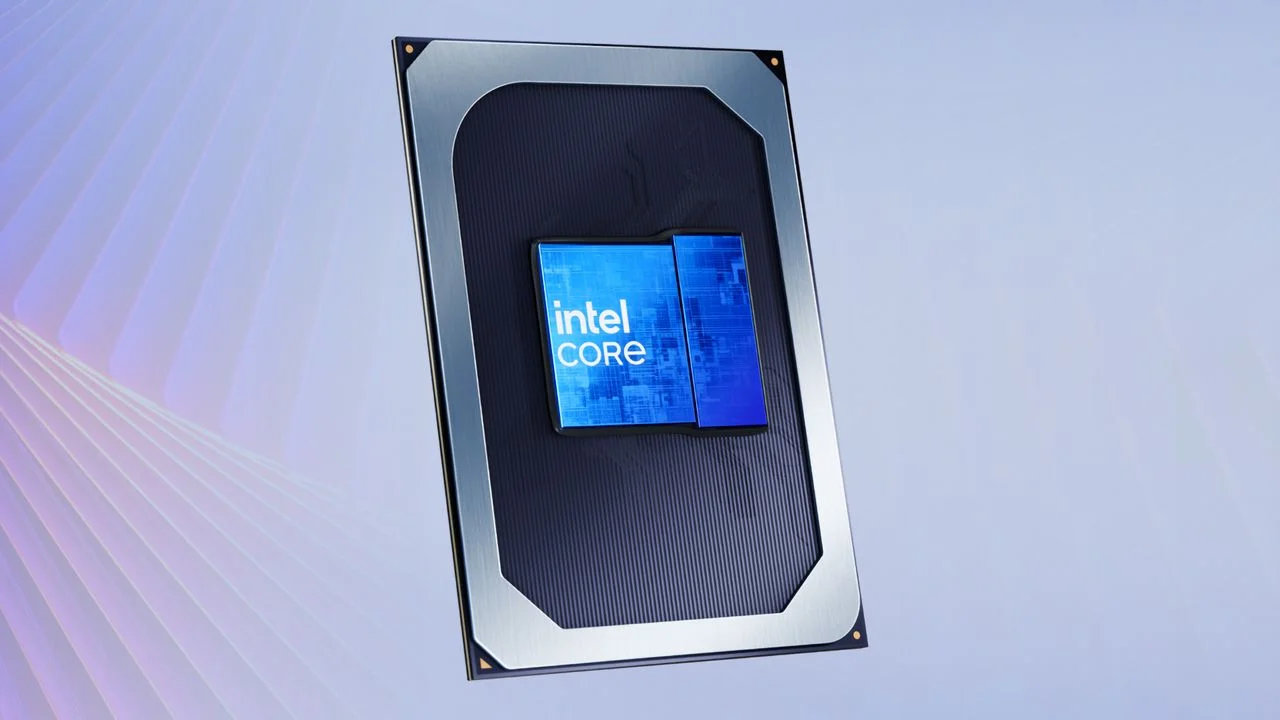
Intel China has officially unveiled ‘Project Firefly,’ a strategic manufacturing initiative designed to disrupt the budget laptop market by adopting the highly efficient production methodologies of the Chinese smartphone supply chain. The primary objective of this project is to produce and distribute laptops powered by Intel’s Wildcat Lake processors at a price point significantly below the $600 threshold. This move is widely interpreted as a direct counter-offensive against Apple’s rumored ‘MacBook Neo,’ aiming to capture the price-sensitive segment of the portable computing market where Intel has historically faced stiff competition from ARM-based alternatives and vertical integration models.
Technically, Project Firefly represents a paradigm shift in how x86 systems are assembled. Traditionally, laptop manufacturing has relied on established ODM pipelines in Taiwan, characterized by standardized but relatively bulky components. Intel’s new blueprint seeks to implement High-Density Interconnect (HDI) PCB technologies and integrated battery modules—technologies perfected in the smartphone sector—to reduce the internal footprint of the device while simultaneously lowering the Bill of Materials (BoM).
By leveraging the existing smartphone manufacturing infrastructure in China, including highly automated Surface Mount Technology (SMT) lines, Intel intends to replicate the cost-efficiency and rapid scale-up capabilities inherent in the mobile device sector.
The Wildcat Lake processors at the heart of these systems are optimized for this streamlined assembly process. These chips are expected to feature high performance-per-watt metrics, allowing for thinner thermal solutions and more standardized chassis designs that can be produced in high volumes at lower costs. Furthermore, Intel is reportedly collaborating with specialized smartphone component vendors to source displays and power management ICs that benefit from the massive economies of scale found in the handset market.
This tactical pivot toward operational excellence in manufacturing is a necessary evolution for Intel as it seeks to maintain its dominant market share in the face of rising silicon prices and aggressive competition.
The success of Project Firefly will depend on Intel’s ability to maintain high performance and reliability standards while stripping away the overhead costs traditionally associated with PC production. If successful, this could lead to a ‘commoditization’ of the sub-$600 laptop segment, forcing competitors to either follow suit with supply chain innovations or concede the value-driven market. Ultimately, Project Firefly signals a new era in PC hardware logistics, where the boundaries between mobile and personal computer manufacturing continue to blur.
Intel’s aggressive pricing strategy, backed by Chinese manufacturing prowess, creates a formidable barrier to entry for newcomers while challenging Apple’s premium pricing model. This transition requires a sophisticated data-driven approach to supply chain management, ensuring that localized production does not compromise global quality standards while achieving unprecedented price targets.