🔍 Executive Summary
- The LEO satellite sector is driving a high-value shift in the PCB market, spurred by SpaceX's Starship V3 progress and potential IPO speculation.
Strategic Deep-Dive
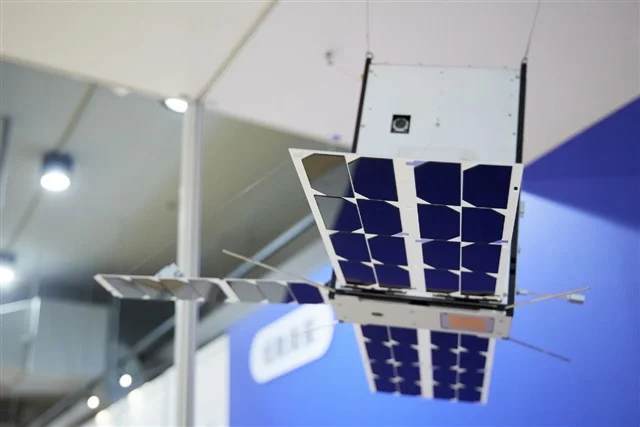
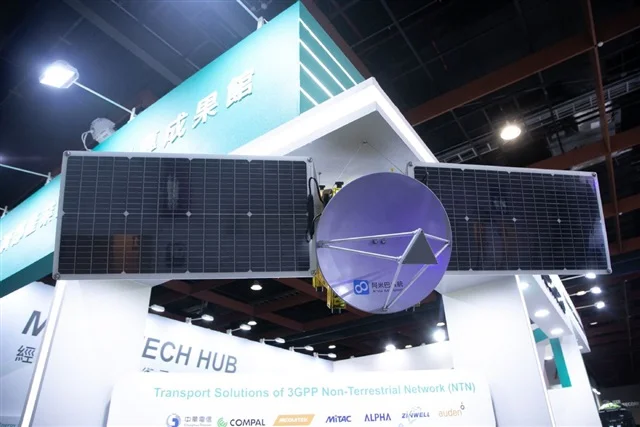
The low-Earth-orbit (LEO) satellite industry is undergoing a period of hyper-growth, fundamentally restructuring the global Printed Circuit Board (PCB) supply chain. As SpaceX prepares for the debut of Starship V3—a system designed to deliver unprecedented payload capacity at a fraction of current costs—the scale of satellite deployment is set to reach an inflection point. This expansion, coupled with persistent rumors regarding a SpaceX IPO, has created a high-momentum environment for aerospace hardware manufacturers.
From a technical perspective, the LEO boom is forcing a shift toward high-reliability, high-frequency hardware. PCBs used in satellite terminals and the satellites themselves must withstand the harsh vacuum of space, where traditional convection cooling is impossible. This necessitates the use of advanced materials such as PTFE-based substrates to maintain signal integrity at Ku and Ka-band frequencies.
Furthermore, thermal management becomes a critical engineering challenge; manufacturers are implementing specialized thermal via arrays and low-CTE (Coefficient of Thermal Expansion) materials to prevent board delamination under extreme temperature cycling.
Major PCB manufacturers in Taiwan and beyond are now prioritizing these high-margin aerospace contracts over traditional consumer electronics. The restructuring of the supply chain is evident as companies invest in dedicated production lines that meet aerospace standards. As Starlink and its competitors like Amazon’s Project Kuiper scale their constellations, the demand for these specialized components will continue to rise, transforming the PCB sector into a key enabler of the global space economy.