🔍 Executive Summary
- OpenAI has strengthened its commitment to AI transparency by joining the C2PA coalition and integrating Google’s SynthID watermarking technology, establishing a robust framework for identifying AI-generated media.
Strategic Deep-Dive
In a decisive move to combat the rising tide of disinformation and deepfakes, OpenAI has announced a comprehensive framework for digital content provenance. The organization is formally joining the Coalition for Content Provenance and Authenticity (C2PA) and, in a landmark partnership, integrating Google’s SynthID watermarking technology into its DALL-E and Sora models. This dual-layered strategy is designed to provide a high-fidelity verification system for AI-generated images and video, ensuring that users can distinguish between human-captured media and synthetic outputs with technical certainty.
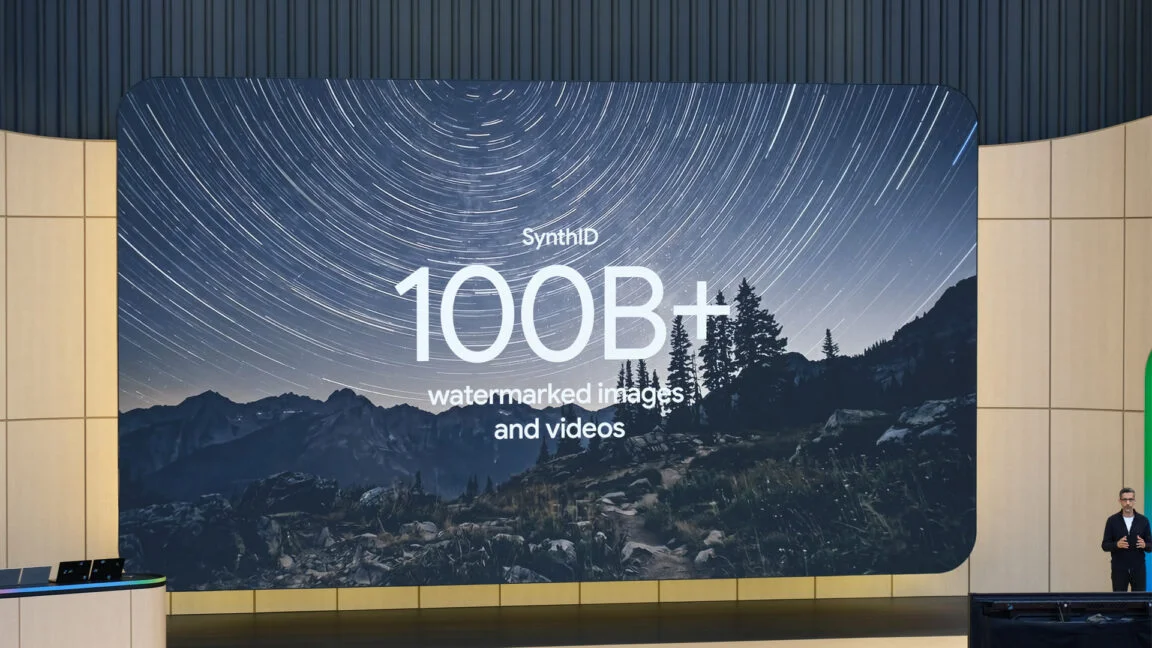
The C2PA integration functions at the manifest level, embedding cryptographic metadata into each file. This metadata provides an immutable record of the content’s history, from its initial generation to any subsequent edits by authorized software. Complementing this is Google’s SynthID, a state-of-the-art invisible watermarking tool that operates within the image pixels themselves.
Unlike traditional watermarks that are easily removed by basic editing, SynthID is robust against adversarial modifications such as resizing, color filtering, and aggressive lossy compression. By combining metadata signatures (which provide context) with pixel-level steganography (which provides durability), OpenAI is creating a defensive stack that is significantly more difficult for bad actors to circumvent. This technological synergy addresses one of the most persistent vulnerabilities in AI transparency: the ease with which identification markers could previously be stripped away.
This announcement is a significant milestone in the maturing of the AI industry. It signals that the era of ‘growth at all costs’ is being replaced by a more responsible approach that prioritizes public safety and regulatory alignment. By adopting the same standards as its rival, Google, OpenAI is helping to establish a de facto industry standard for AI safety.
This move is particularly timely given the impending enforcement of the EU AI Act and similar legislative frameworks in the United States, which mandate clear labeling of synthetic media. For the broader market, this standardization will likely lead to widespread integration of verification tools across social media platforms like Meta and X (formerly Twitter), allowing for real-time flagging of AI content. As digital trust becomes a scarce commodity, these technical safeguards will be essential for the continued commercial and societal adoption of generative AI technologies.