🔍 Executive Summary
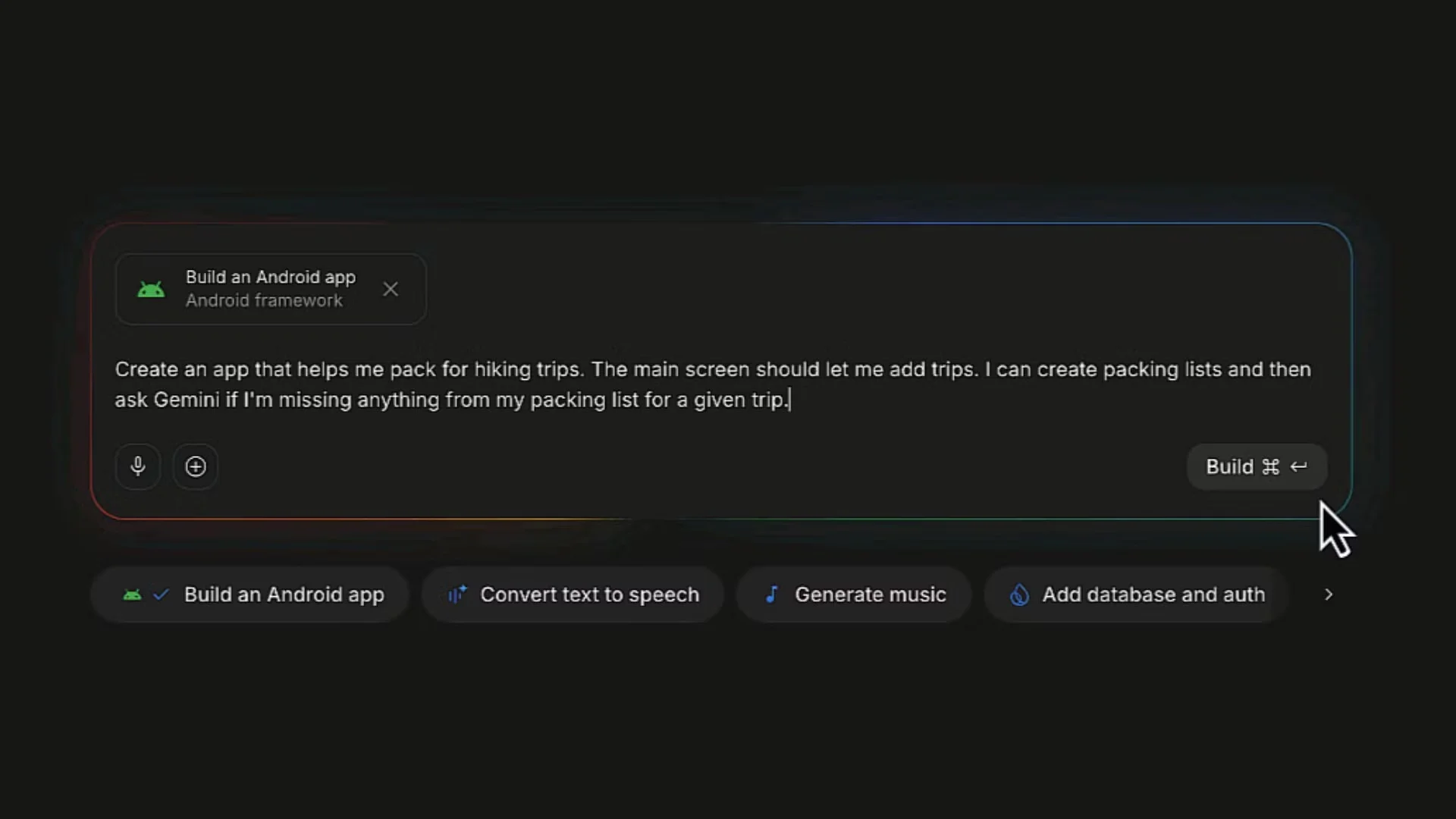
- Google’s new automated conversion tool targets the heart of Apple’s developer ecosystem, providing a seamless technical bridge to port iOS applications to Android with minimal friction.
Strategic Deep-Dive
Google’s release of an automated iOS-to-Android porting tool represents a strategic masterstroke in the ongoing mobile OS wars. For over a decade, the ‘app gap’—the phenomenon where high-quality applications debut on iOS months or years before reaching Android—has been a persistent thorn in Google’s side. This tool directly addresses the root cause: the prohibitive cost and technical complexity of cross-platform migration.
By providing a technical bridge that can ingest Swift and Objective-C codebases and output functionally equivalent Android projects, Google is lowering the drawbridge for developers locked within Apple’s walled garden. The tool leverages sophisticated static analysis and Large Language Models to map iOS-specific frameworks like UIKit to Android’s Jetpack Compose, handling the heavy lifting of UI translation and logic refactoring.
From a strategic perspective, this isn’t just about interoperability; it’s about ‘platform psychology.’ Google is attempting to shift the developer mindset so that Android development is no longer viewed as a separate, costly endeavor, but rather as a seamless extension of the iOS development cycle. This move capitalizes on the reality that many startups still adopt an ‘iOS-first’ mentality due to perceived monetization advantages. By reducing the friction to port these apps, Google ensures that the Play Store remains competitive in terms of app diversity and quality without requiring developers to hire dedicated Android teams.
This ‘inorganic’ growth of the app catalog could significantly neutralize one of Apple’s primary hardware selling points: the exclusivity of high-end software.
Furthermore, the tool’s underlying technology focuses on mitigating the ‘uncanny valley’ of ported apps. Historically, automated cross-platform tools produced apps that felt alien to the host OS. However, Google’s new system specifically focuses on maintaining Android-native design patterns and performance standards during the translation process.
It includes intelligent mapping for platform-specific features such as background services, intent systems, and biometric authentication. As this tool evolves, it will likely incorporate even more advanced AI-driven debugging to resolve platform-specific edge cases automatically. For the industry, this signals a major shift.
The economic moat created by proprietary SDKs is shrinking. As software becomes increasingly platform-agnostic through the power of AI-assisted translation, the competition will shift from ‘where the app lives’ to ‘how well the app serves the user.’ Google’s move to simplify migration is a clear declaration that in the next decade of mobile tech, availability will be the ultimate competitive advantage.