🔍 Executive Summary
- A comprehensive look at the fallout from Plex's controversial pricing decisions and the subsequent migration of users toward open-source alternatives like Jellyfin in the self-hosted media ecosystem.
Strategic Deep-Dive
The home media server landscape is currently witnessing a historic realignment that reflects the broader tensions within the software industry. For over a decade, Plex was the undisputed champion, offering a polished, user-friendly interface that bridged the gap between complex Network Attached Storage (NAS) setups and the ease of commercial streaming services. However, the recent introduction of a $750 ‘Lifetime Plex Pass’ has acted as a catalyst for a massive user exodus.
This pricing strategy, perceived by many as an exorbitant ‘gatekeeping’ move, reflects a broader trend of aggressive monetization that often alienates the core community of early adopters and enthusiasts who built the platform’s initial momentum.
At the center of this controversy is the fundamental tension between a venture-backed corporation needing to show exponential growth and a community that values the original ethos of self-hosting: ownership, privacy, and local control. Plex’s increasing reliance on central servers for authentication—meaning your local server might be inaccessible if Plex’s headquarters goes offline—and its push toward ad-supported ‘free’ content have long been points of friction. The $750 price tag was simply the breaking point.
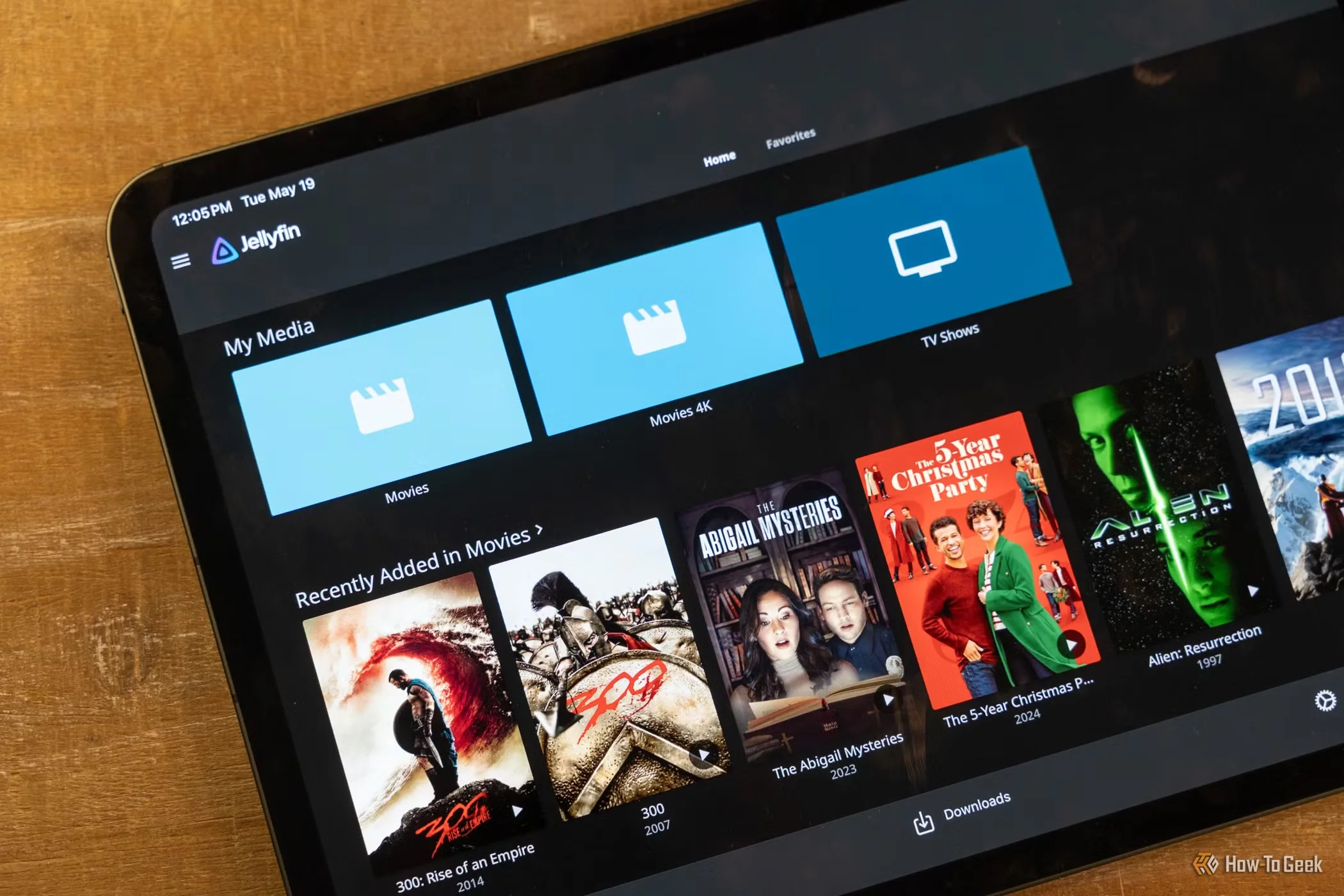
In response, Jellyfin—an entirely free, open-source fork of Emby—has surged in popularity. Unlike Plex, Jellyfin requires no external check-ins, features no tracking, and provides premium features like hardware-accelerated transcoding via Intel QuickSync, AMD AMF, or NVIDIA NVENC without a paywall or a mandatory ‘Pass.’
This shift highlights a growing maturity in the self-hosted software market. Users are increasingly willing to trade a small amount of ‘out-of-the-box’ convenience for the long-term stability and ethical transparency of Free and Open Source Software (FOSS). Technical enthusiasts are now leveraging Docker and containerization to deploy Jellyfin with ease, integrating it with LDAP or advanced identity management systems for a level of privacy that Plex can no longer guarantee.
As Plex continues to pivot toward becoming a generalized streaming aggregator, losing its identity as a personal media tool, Jellyfin is solidifying its position as the pure choice for the home media purist.
The ‘Streaming Wars’ are no longer just about who has the most licensed content, but about who respects the user’s autonomy over their own digital library. The rise of Jellyfin proves that when a company overreaches with pricing and telemetry, the open-source community is ready to provide a viable, high-performance escape hatch. For the ‘r/selfhosted’ community, the decision is clear: the $750 price tag of Plex isn’t just an expense; it’s a reminder of why they started self-hosting in the first place—to escape the arbitrary control of centralized platforms.