🔍 Executive Summary
- AWS's custom silicon strategy is reaching a tipping point as Trainium processors gain traction, driven by Nvidia scarcity and significant software ecosystem enhancements.
Strategic Deep-Dive
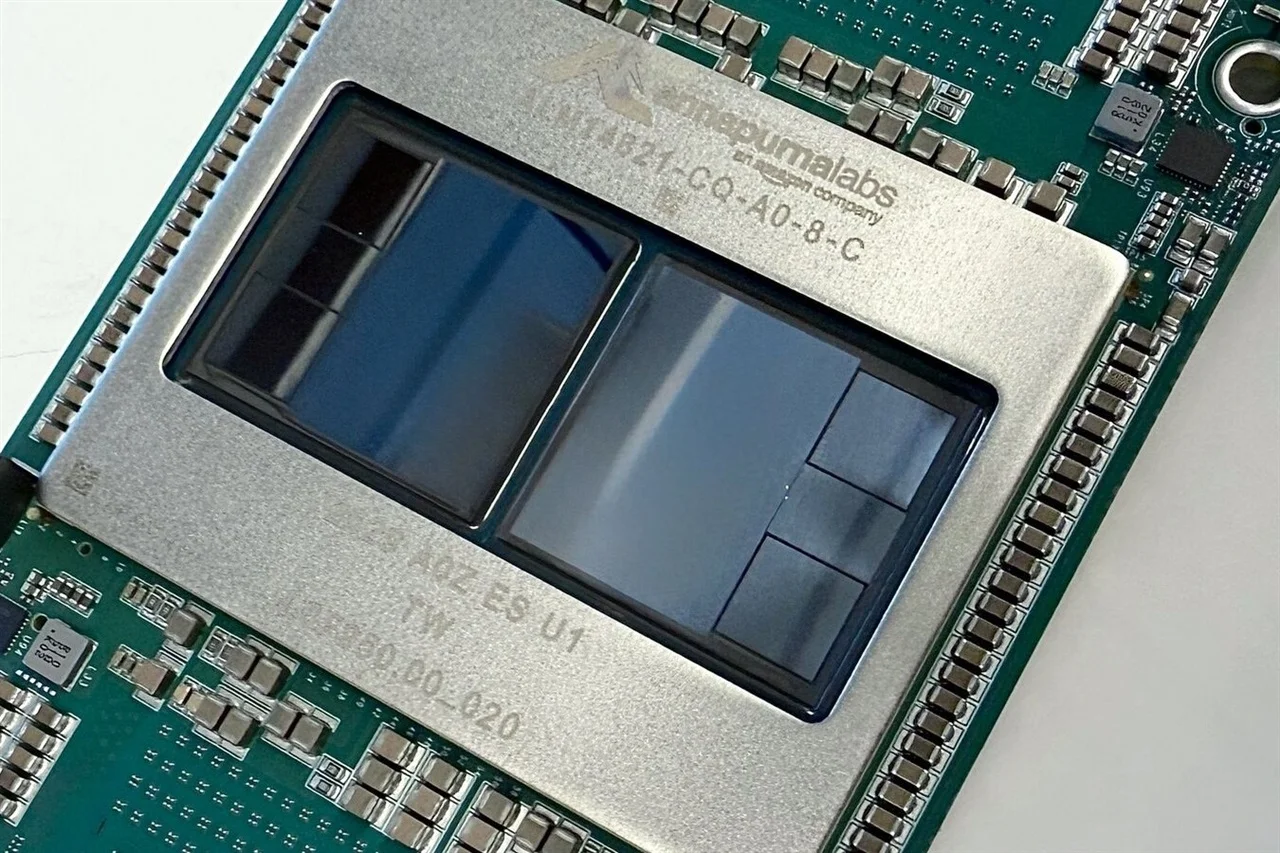
Amazon Web Services (AWS) is witnessing a strategic harvest from its long-term investment in custom silicon, as the Trainium processor family moves from a niche experimental tool to a mainstream workload powerhouse. As of mid-2026, the global artificial intelligence sector remains paralyzed by an acute shortage of high-end Nvidia GPUs. This scarcity, combined with the exorbitant pricing of the Blackwell and Hopper architectures, has fundamentally changed the calculus for AI developers.
No longer is the choice dictated solely by the familiarity of Nvidia’s CUDA environment; economic necessity and supply chain security are now driving users toward AWS’s internal hardware. The transition to Trainium marks a significant milestone in vertical integration for Amazon. Historically, the ‘final barrier’ to the adoption of non-Nvidia silicon was the software moat.
However, AWS has spent the last several years meticulously refining its Neuron SDK and software stack to ensure compatibility with popular frameworks like PyTorch and TensorFlow. This focus on the developer experience has paid off, as the friction of migrating complex models to Trainium has decreased significantly. According to reports from The Information and other industry watchers, major AI labs and enterprise developers are now treating Trainium as a ‘credible alternative’ for large-scale training and inference tasks.
From an architectural perspective, Trainium is designed for the specific needs of the AWS cloud fabric, offering better performance-per-watt and cost efficiency for specific transformer-based models. This is not just a hardware play; it is a margin-optimization strategy. By reducing its reliance on high-margin external components from Nvidia, Amazon can offer more competitive pricing to its cloud customers while simultaneously improving its own operating income.
While Nvidia remains a central pillar of the AWS infrastructure, the rise of Trainium represents the democratization of AI compute. It signals a future where cloud providers are no longer passive resellers of third-party silicon but are active designers of the entire stack—from the transistor to the API. This shift is critical for the long-term sustainability of the AI boom, as it introduces much-needed competition into a market that has been characterized by a near-monopoly.
As software ecosystems continue to mature, the dominance of proprietary hardware moats will inevitably erode, giving way to a more diverse and resilient AI infrastructure landscape led by hyper-scalers like AWS.