🔍 Executive Summary
- The AMD Ryzen AI Max Mini PC emerges as a formidable local hardware solution, priced at $3,999, specifically engineered to disrupt Nvidia’s dominance by offering a high-bandwidth alternative to expensive cloud-based AI infrastructure.
Strategic Deep-Dive
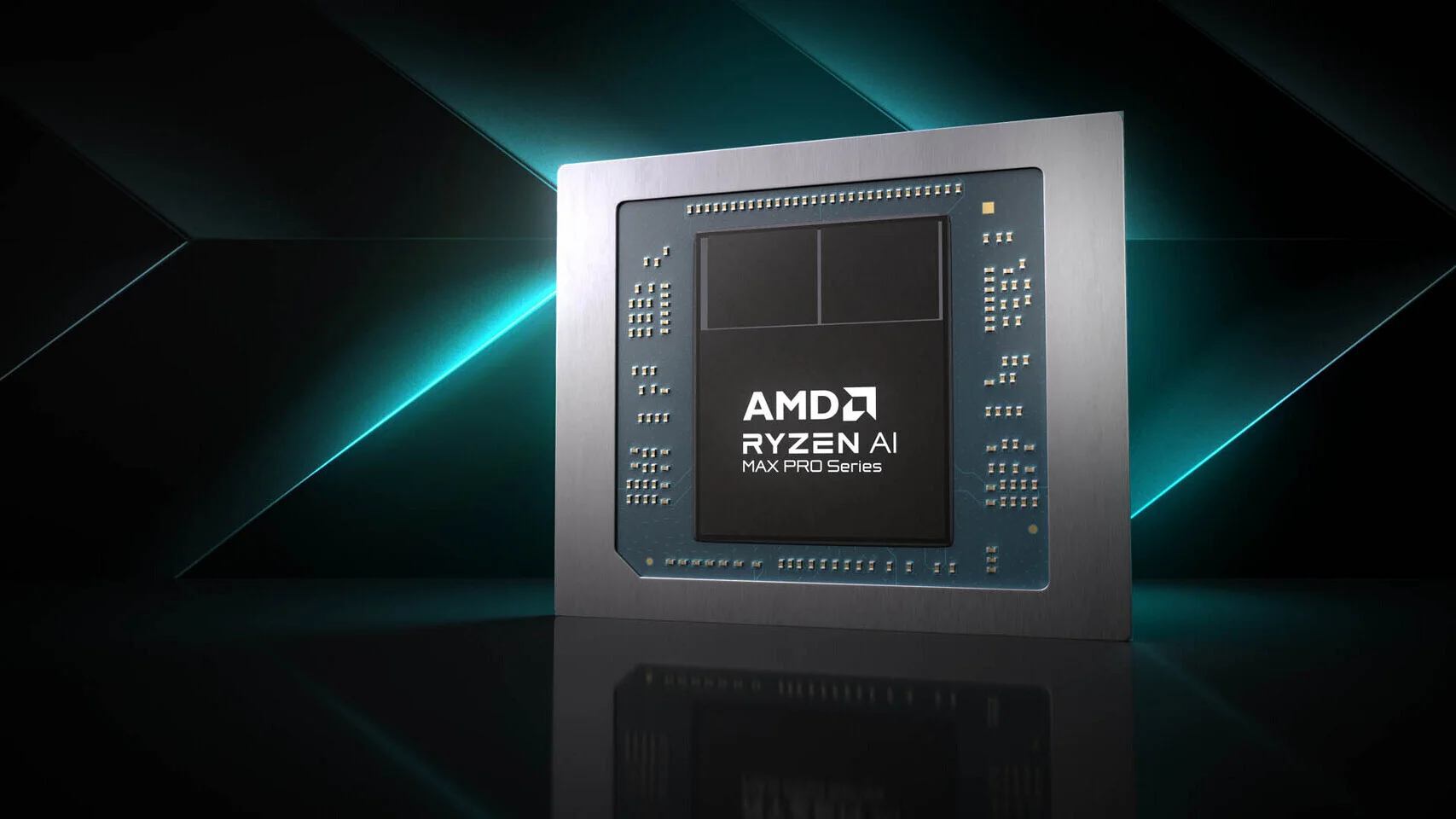
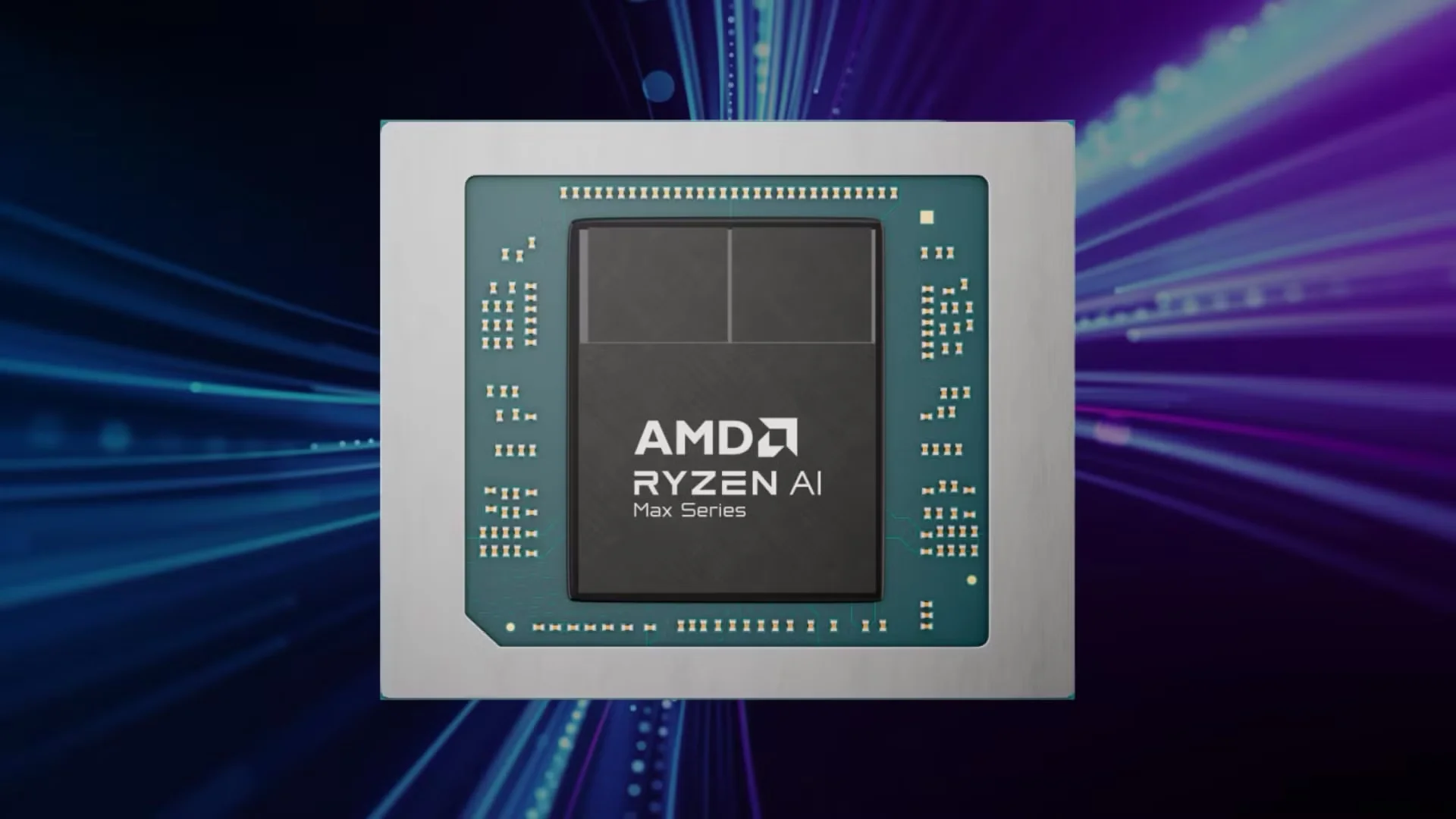
The debut of the AMD Ryzen AI Max Mini PC, positioned at a strategic $3,999 price point, represents a pivotal moment in the decentralization of artificial intelligence computing. For the past several years, the AI sector has been effectively tethered to a cloud-first model, primarily dictated by Nvidia’s high-margin server ecosystems. AMD’s introduction of the ‘Ryzen AI Max’ chipset (alternatively known by its ‘Halo’ internal designation) aims to break this dependency by offering data center-grade performance in a compact, on-premise form factor that directly challenges the Nvidia DGX Spark.
From a technical perspective, the Ryzen AI Max distinguishes itself through its revolutionary memory architecture. Traditional consumer-grade AI setups often suffer from memory bandwidth bottlenecks when attempting to load large-scale neural networks. The Ryzen AI Max addresses this by utilizing a wide-bus Unified Memory Architecture (UMA) paired with high-speed LPDDR5X memory.
This allows the NPU and the integrated high-performance GPU to access a massive pool of system RAM as if it were dedicated video memory, providing the necessary throughput for real-time LLM inference and even complex fine-tuning tasks. This hardware configuration is specifically designed to eliminate the latency and recurring subscription costs associated with cloud-based GPU instances.
Furthermore, AMD has focused heavily on the software layer to ensure this hardware is enterprise-ready. By providing native support for both Windows and Linux, and specifically optimizing its ROCm (Radeon Open Compute) software stack for the Ryzen AI Max, AMD is inviting the global open-source community to migrate their workflows away from proprietary CUDA-dependent environments. For AI researchers and developers, the ability to run high-parameter models on a local Linux-based machine with full ROCm compatibility is a game-changer, offering the flexibility to iterate on proprietary code without the risks of sending sensitive data to external servers.
The broader economic implication of this release cannot be understated. At $3,999, the device is priced to be accessible to startups and academic departments that might find the capital expenditure for an Nvidia DGX cluster prohibitive. It offers a clear path toward a lower Total Cost of Ownership (TCO) by replacing monthly cloud rental fees with a one-time hardware investment.
By targeting the ’local AI’ niche with such a high-performance specification, AMD is positioning itself as the primary architect of the next generation of private AI infrastructure.
In conclusion, the Ryzen AI Max Mini PC is not merely a hardware refresh; it is a direct assault on the cloud-centric AI status quo. By combining extreme memory bandwidth, multi-OS flexibility, and a competitive price point, AMD is providing a viable ‘off-ramp’ for organizations looking to reclaim sovereignty over their AI computations. This product solidifies AMD’s ‘Max’ branding as a serious contender in the high-end professional AI space, signaling a new era where the most powerful AI tools no longer require a persistent connection to a remote data center.