🔍 Executive Summary
- A leaked PCB of Intel's Crescent Island PCIe accelerator reveals the massive Xe3P GPU architecture paired with 160GB of LPDDR5X memory, targeting high-end enterprise AI markets.
Strategic Deep-Dive
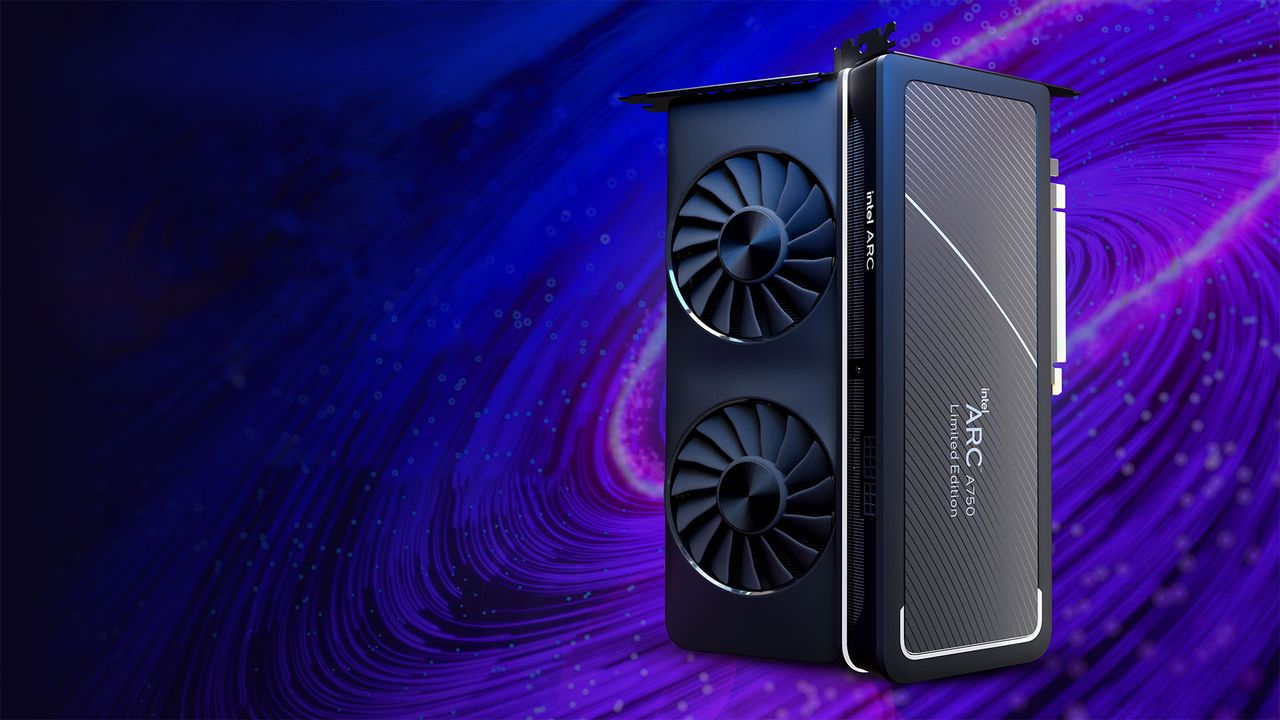
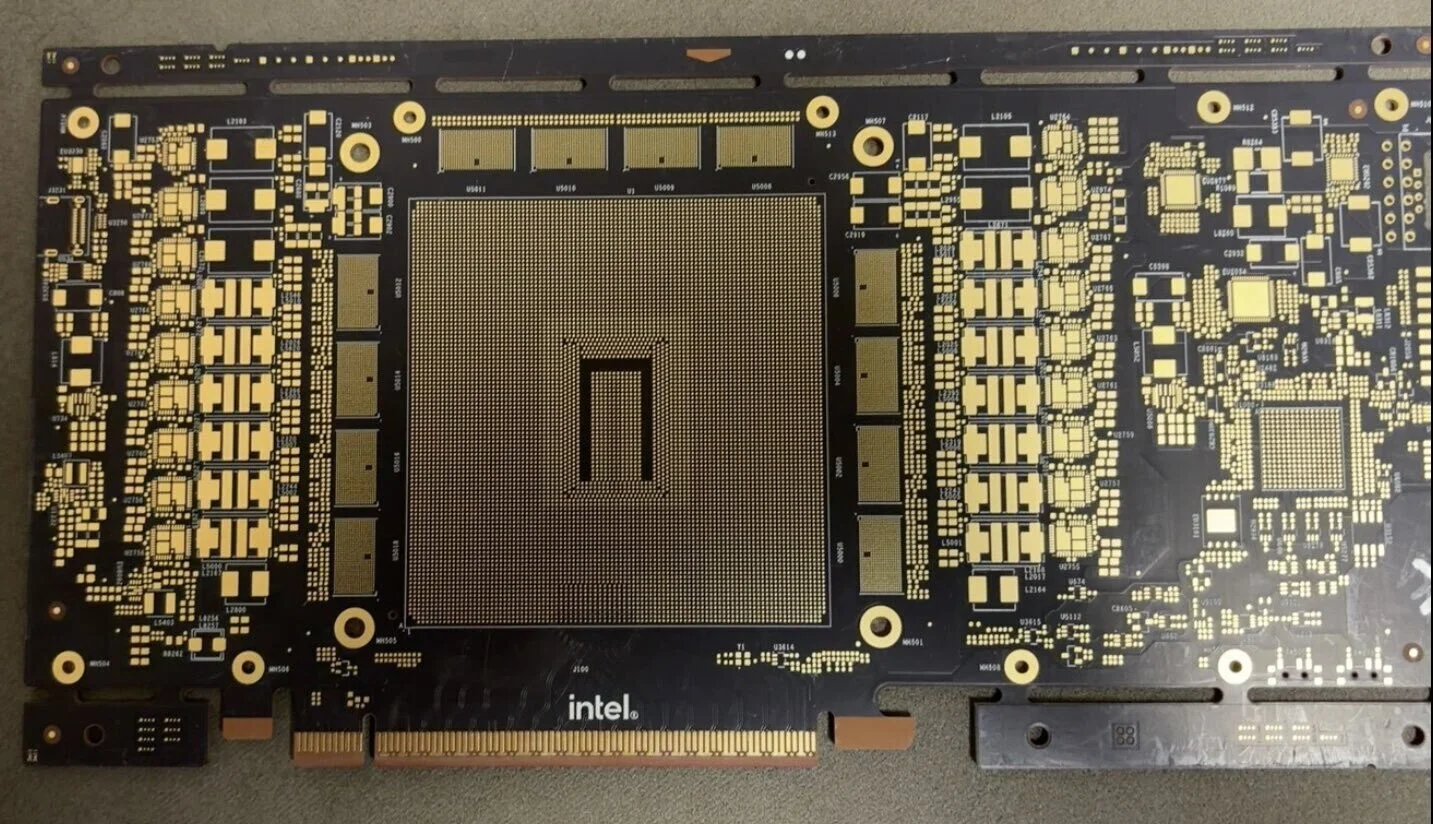
The recent leak of Intel’s Crescent Island PCB, courtesy of hardware insider YuuKi_AnS, provides a fascinating technical deep dive into the company’s future high-performance computing roadmap. At the heart of this new PCIe accelerator lies the Xe3P GPU architecture. A visual comparison of the PCB shows that the Xe3P die is significantly larger than the Xe2-based BMG-G31 found in the current Intel Arc lineup.
This physical expansion suggests a massive increase in transistor count and execution units, signaling Intel’s aggressive push to close the performance gap in the high-end GPU market.
What sets the Xe3P apart from its counterparts is its specific architectural positioning. While the standard Xe3 architecture is slated for client-facing products under the Arc C-Series branding, the Xe3P (where ‘P’ likely denotes ‘Professional’ or ‘Performance’) is designed as a more scalable solution for professional and enterprise workloads. The hardware specifications revealed by the PCB are equally impressive, featuring a staggering 160GB of LPDDR5X memory.
This choice of high-capacity LPDDR5X suggests that Intel is prioritizing memory bandwidth and total capacity to handle the massive datasets associated with modern AI training and inference.
Furthermore, the inclusion of a 16-pin power connector—aligning with the PCIe CEM 5.1 and ATX 3.0 standards—indicates that the Crescent Island accelerator will have a substantial power envelope. This transition from Xe2 to the Xe3/Xe3P lineage represents a pivotal moment for Intel. By moving toward a more modular and scalable architecture with massive memory pools, Intel is positioning itself to compete more effectively against enterprise-grade accelerators from NVIDIA and AMD.
The Crescent Island leak confirms that Intel’s strategy for the next generation of hardware is built on two pillars: raw compute scaling and expansive memory capacity, making it a critical player to watch in the enterprise AI hardware space as they move beyond the Gaudi roadmap.