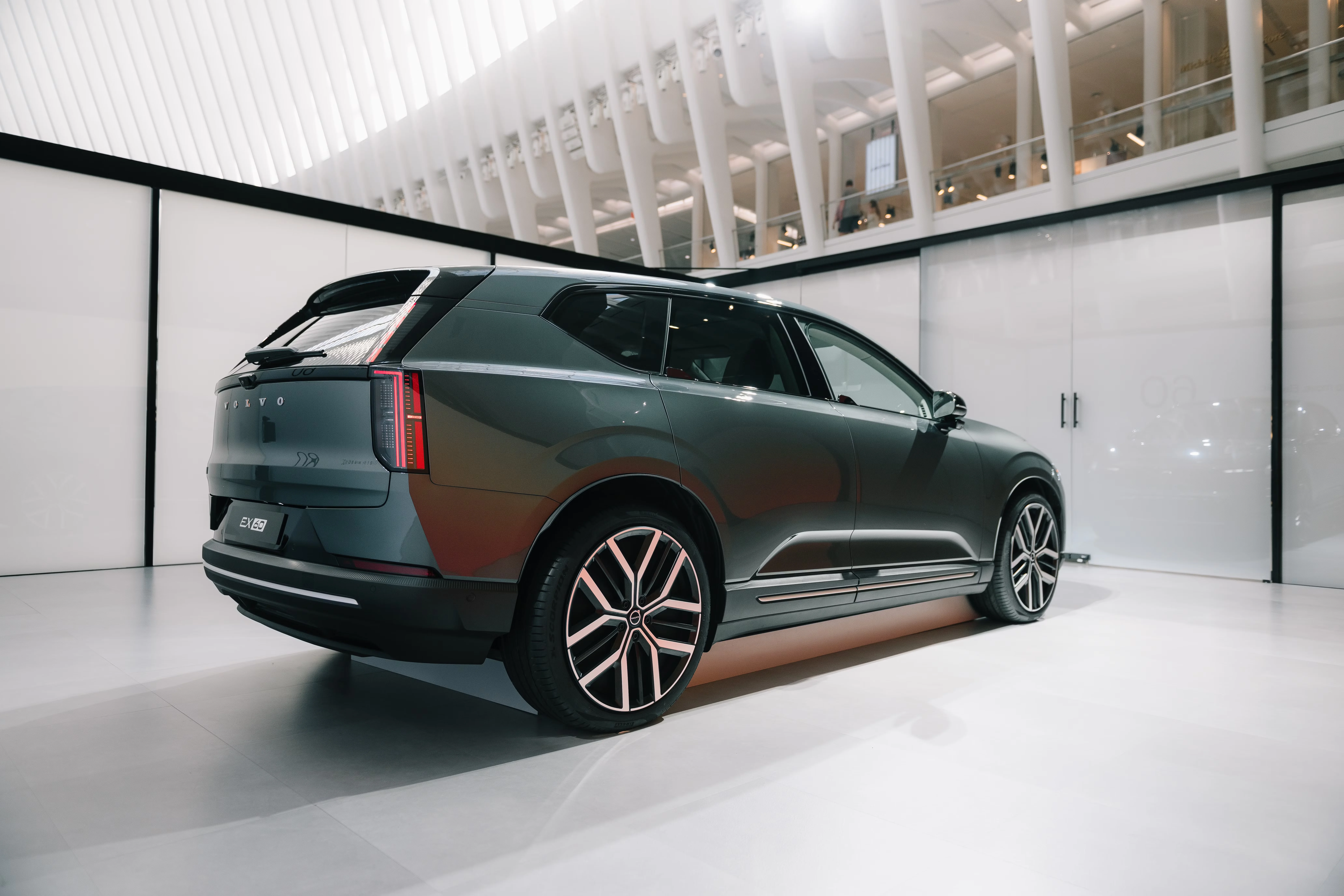
🔍 Executive Summary
- The 2027 Volvo EX60 positions itself as a strategic solution to the American EV adoption crisis by directly addressing range anxiety, price sensitivity, and charging infrastructure through its innovative SPA3 platform.
Strategic Deep-Dive
The upcoming 2027 Volvo EX60 represents a calculated strike at the heart of the North American electric vehicle (EV) market’s stagnation. For years, the industry has identified three primary ‘deal-breakers’ for the average American buyer: range anxiety, high initial purchase costs, and the perceived fragility of the charging network. Volvo’s strategy with the EX60 is not merely to build a better car, but to engineer a solution that makes the transition from internal combustion engines (ICE) feel inevitable rather than experimental.
At the core of this transition is the debut of the SPA3 (Scalable Product Architecture 3). Unlike its predecessors, SPA3 is designed with extreme modularity and production efficiency in mind. By utilizing advanced manufacturing techniques such as megacasting—where large sections of the vehicle frame are cast as single pieces—Volvo significantly reduces complexity, weight, and assembly time.
This technical leap allows Volvo to offer a premium, high-range SUV at a price point that rivals luxury ICE counterparts, effectively neutralizing the ‘price premium’ argument that has deterred many families. Furthermore, the SPA3 architecture allows for a more integrated battery-to-chassis design, which improves structural rigidity and energy density, providing the long-distance capability essential for the American interstate culture.
Range anxiety is further mitigated through a holistic energy management system that leverages artificial intelligence to optimize power distribution based on terrain, weather, and driving habits. This ensures that the advertised range remains reliable under real-world conditions, a common pain point for early EV adopters. Simultaneously, Volvo has been a leader in the industry-wide shift toward the North American Charging Standard (NACS).
By integrating access to the Tesla Supercharger network directly into the vehicle’s native navigation and billing systems, Volvo removes the ‘charger frustration’ that has plagued non-Tesla EVs for years.
Beyond hardware, the EX60 is a manifestation of Volvo’s shift toward Software-Defined Vehicles (SDVs). The central computing architecture allows for deep integration of safety systems, infotainment, and autonomous driving features. Regular Over-the-Air (OTA) updates ensure that the vehicle evolves with its owner, maintaining peak performance and security.
This long-term value proposition is critical for buyers who fear rapid technological obsolescence. In summary, the 2027 Volvo EX60 is more than just another SUV in the lineup; it is a meticulously crafted instrument of market disruption, proving that when technical innovation aligns with consumer psychology, the barriers to the electric future begin to crumble.