🔍 Executive Summary
- Huawei's ambitious ramp-up of Ascend AI chips is hitting a wall due to HBM supply shortages, highlighting the critical role of memory in the global AI compute race.
Strategic Deep-Dive
In the modern technological landscape, compute has become the ’lifeblood’ of artificial intelligence. Drawing a parallel to the classic ‘spice’ from science fiction—where ‘he who controls the spice controls the universe’—the ability to scale compute power is now the defining factor in who reaps the benefits of the AI revolution. Without sufficient compute, a nation or a corporation effectively loses its seat at the table of global innovation.
Within this context, Huawei’s efforts to ramp up production of its Ascend AI processors represent a strategic attempt to maintain technological relevance amidst tightening export controls.
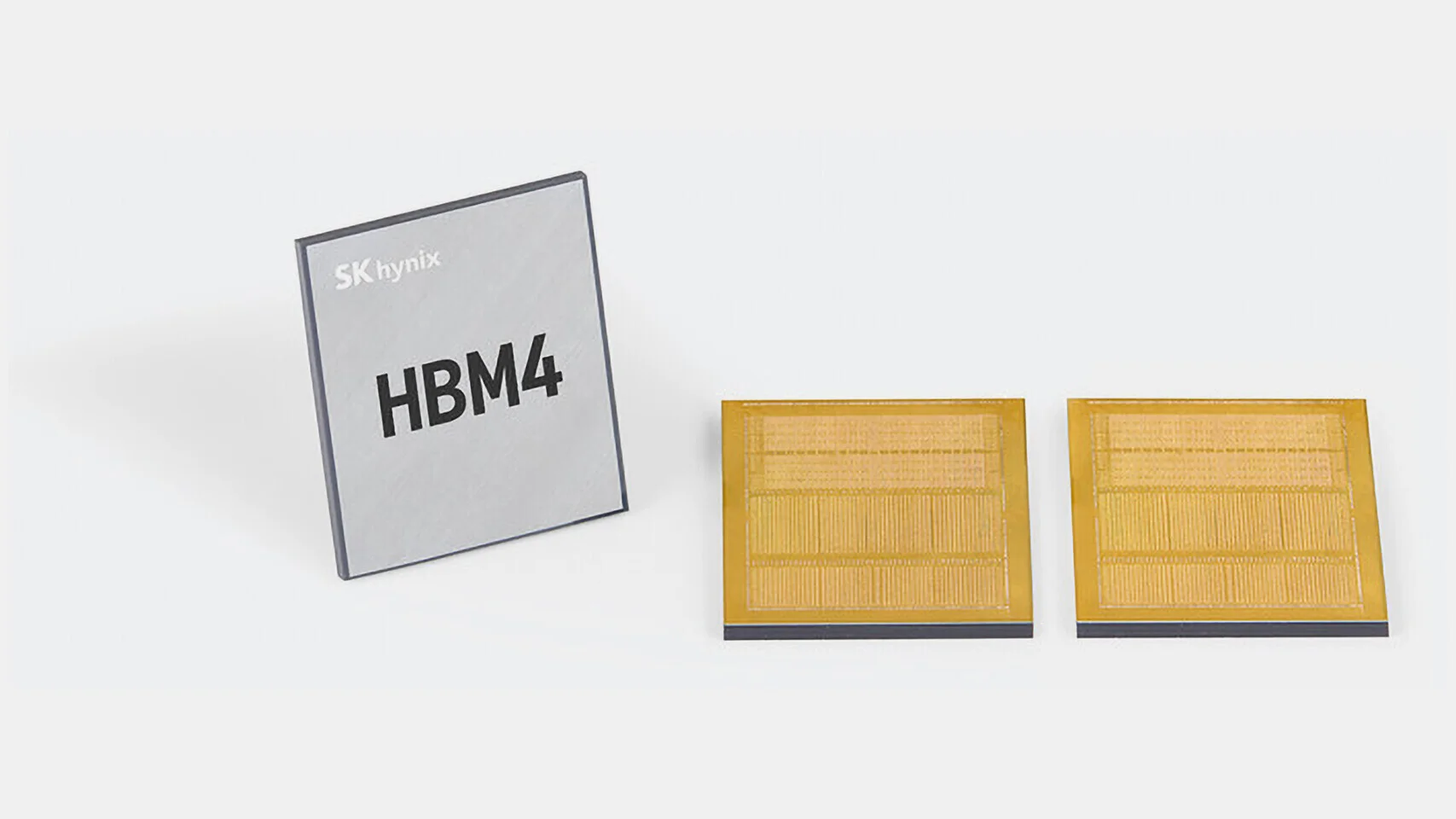
However, Huawei’s production ambitions are being tested by the harsh realities of the global supply chain. While the company has reportedly leveraged TSMC’s production continuity and established strategic ‘die banks’—stockpiling silicon wafers to mitigate immediate geopolitical shocks—a new and more critical bottleneck has emerged: High Bandwidth Memory (HBM). HBM is essential for AI accelerators, providing the necessary bandwidth to feed data to massive neural networks.
For Huawei, securing a stable and high-volume supply of HBM has become the primary hurdle in its production ramp-up, as local alternatives struggle to match the performance and yield of global market leaders.
The situation illustrates the profound impact of the US-China tech divide. While Huawei can design sophisticated architectures, the specialized nature of HBM production leaves the company vulnerable to supply disruptions. The logistical reality of die banks and the ongoing memory shortages suggest that even with advanced designs, the inability to pair those chips with high-performance memory could stall China’s domestic AI hardware growth.
This bottleneck is a strategic vulnerability that limits the scaling of AI models across the region. As the global race for AI compute intensifies, the sustainability of Huawei’s Ascend lineup will depend entirely on its ability to navigate a fractured hardware landscape and overcome the memory wall.