🔍 Executive Summary
- Indonesia’s latest export restrictions are rattling international commodity buyers, signaling a bold move toward resource nationalism. The policy forces a major shift in the global supply chain, with stakeholders now facing increased price volatility and a mandatory pivot to domestic processing within Indonesia.
Strategic Deep-Dive
Commodity Volatility: Navigating Indonesia’s Strategic Export Restrictions
Indonesia has introduced a disruptive set of export controls that is currently rattling international commodity markets. As a dominant global supplier of critical raw materials like nickel and bauxite, Indonesia’s policy shift toward resource nationalism has immediate and far-reaching implications. The move is a calculated attempt to force foreign buyers to transition from extraction to local industrial development, fundamentally altering the global trade landscape.
To understand the magnitude of this disruption, global stakeholders must grasp “5 things to know” regarding Indonesia’s new stance:
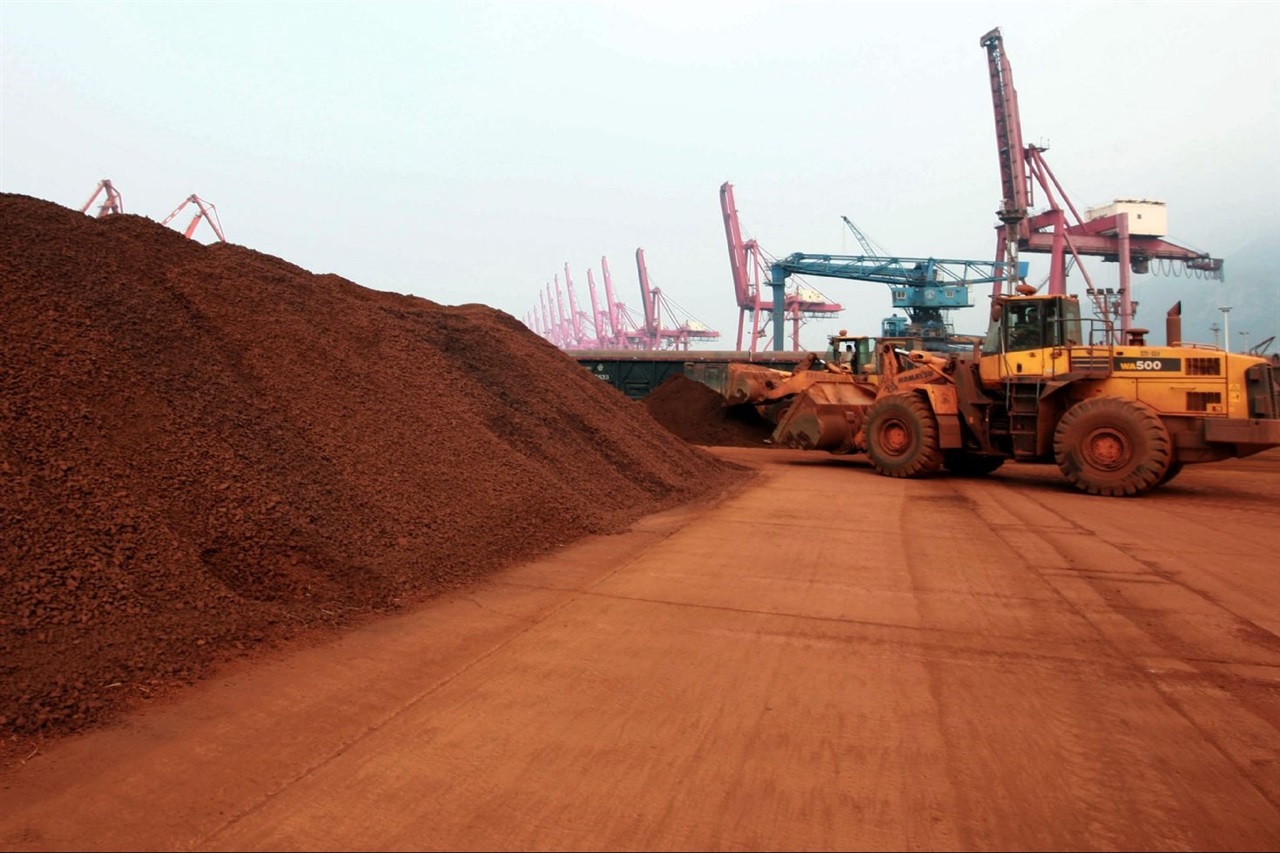
- Mandatory Downstreaming: Indonesia is banning raw ore exports to compel foreign companies to build refineries and processing plants on Indonesian soil, aiming to capture more value-add domestically.
- Price Instability: The sudden restriction of supply is creating significant volatility in commodity pricing, forcing manufacturers to recalibrate their production costs and margins.
- Supply Chain Re-evaluation: Companies that have historically relied on cheap Indonesian raw materials are now frantically seeking alternative sources in more stable but expensive jurisdictions like Australia or South America.
- Resource Nationalism as Leverage: By controlling the flow of essential minerals for the green energy transition, Indonesia is exerting its geopolitical influence, demanding better trade terms and technology transfers from the West.
- Infrastructural Investment Mandates: For many global buyers, the only way to maintain access to these resources is to commit billions in direct investment toward Indonesia’s industrial infrastructure, shifting the risk profile of their operations.
This development serves as a stark reminder of the fragility of modern supply chains. As more resource-rich nations follow Indonesia’s lead, the era of easy extraction is ending, replaced by a complex environment where trade policy and national sovereignty dictate industrial success.