🔍 Executive Summary
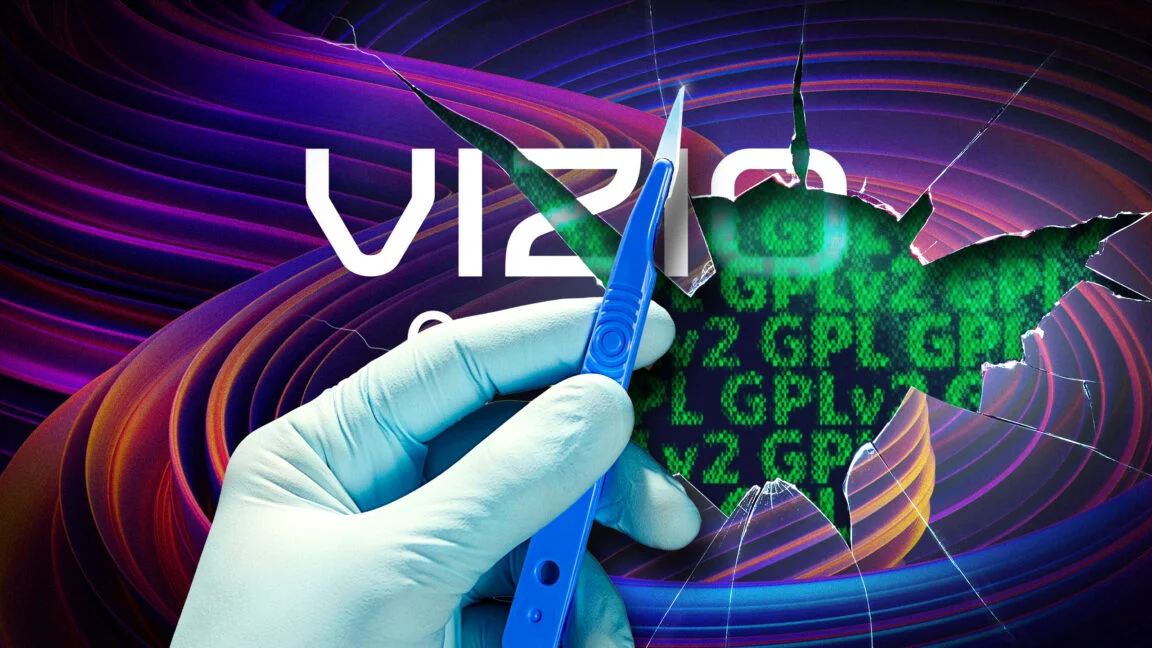
- The long-standing legal battle over Vizio's failure to release its Linux-based TV OS source code is heading to trial, testing the limits of GPLv2 enforcement.
- A victory for users could enable broad hardware modification, allowing owners to disable intrusive tracking and mandatory advertisements embedded by manufacturers.
Strategic Deep-Dive
The global technology industry is closely watching a pivotal legal confrontation as the lawsuit to force Vizio to share its Linux-based Smart TV operating system source code finally moves to trial. This case, which has been simmering in the legal system for years, centers on the fundamental principles of GPL Compliance—the requirement that companies using software under the GNU General Public License (GPL) must provide the corresponding source code to the end-user upon request. Vizio’s alleged failure to satisfy these obligations represents a direct challenge to the open-source community’s established legal framework.
At stake is not just a collection of code, but the very integrity of the contracts that govern modern software collaboration.
The litigation is driven by a desire for consumer empowerment in an era of ‘black box’ hardware. For too long, manufacturers have utilized open-source foundations to build proprietary layers that enforce intrusive features, such as mandatory advertising carousels and pervasive data tracking of viewing habits. Advocates for the lawsuit argue that if Vizio is forced to comply with the GPLv2 license, users will finally gain the transparency needed to reclaim their privacy.
Access to the source code would allow independent developers to create custom firmware—giving owners the ‘right to tweak’ their hardware to remove spyware and bloatware. This shift would fundamentally alter the relationship between a buyer and a device, moving away from a service-based model where the manufacturer retains absolute control, toward true ownership.
The technical nuances of this trial involve the distinction between proprietary additions and the underlying open-source kernel. Vizio has long maintained that its modifications are proprietary intellectual property, while plaintiffs argue that the linked nature of the software triggers the GPL’s reciprocal sharing requirements. If the court sides with the plaintiffs, it will set a radical precedent for the entire consumer electronics industry.
From smart refrigerators to connected vehicles, any company using Linux as its operating system backbone would be compelled to provide high levels of software transparency. This would effectively demystify the ‘smart’ component of modern appliances, forcing companies to compete on hardware quality rather than on the value of the user data they extract through non-transparent software practices.
Furthermore, a victory for the consumers would revitalize the Software Freedom Conservancy’s efforts to hold major corporations accountable. It would send a clear signal that open-source licenses are enforceable contracts with significant consequences for non-compliance. In the broader context of technical intelligence, this trial highlights a growing consumer movement toward software autonomy and privacy-centric hardware.
As we move further into 2026, the resolution of the Vizio case will likely define the legal landscape for digital rights for the next decade. It stands as a battleground for the soul of the internet of things (IoT), where the right to modify one’s own property is pitted against the corporate desire for centralized, data-driven revenue streams. The final ruling will either reinforce the walls of the proprietary garden or provide the tools for users to tear them down.