🔍 Executive Summary
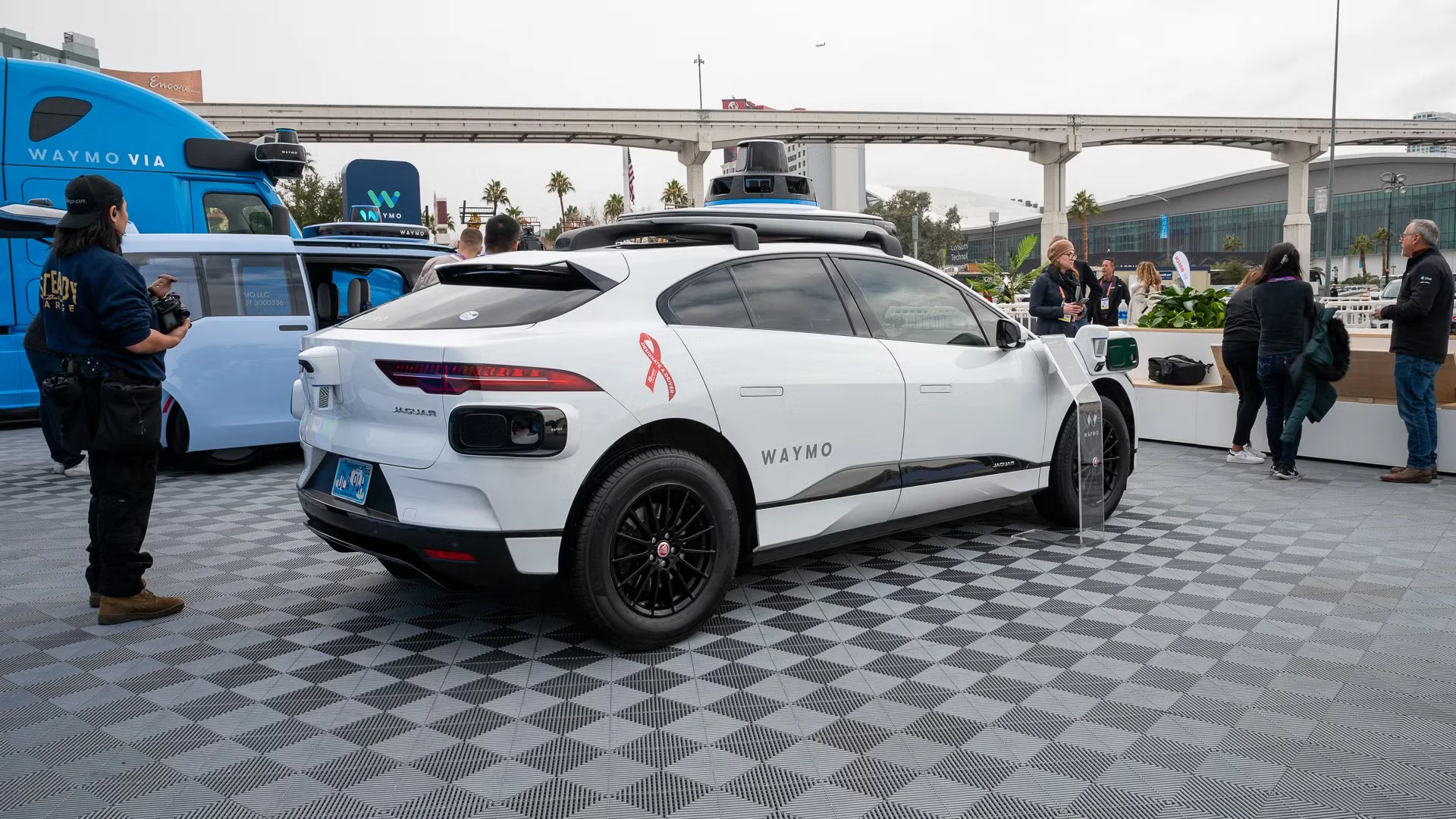
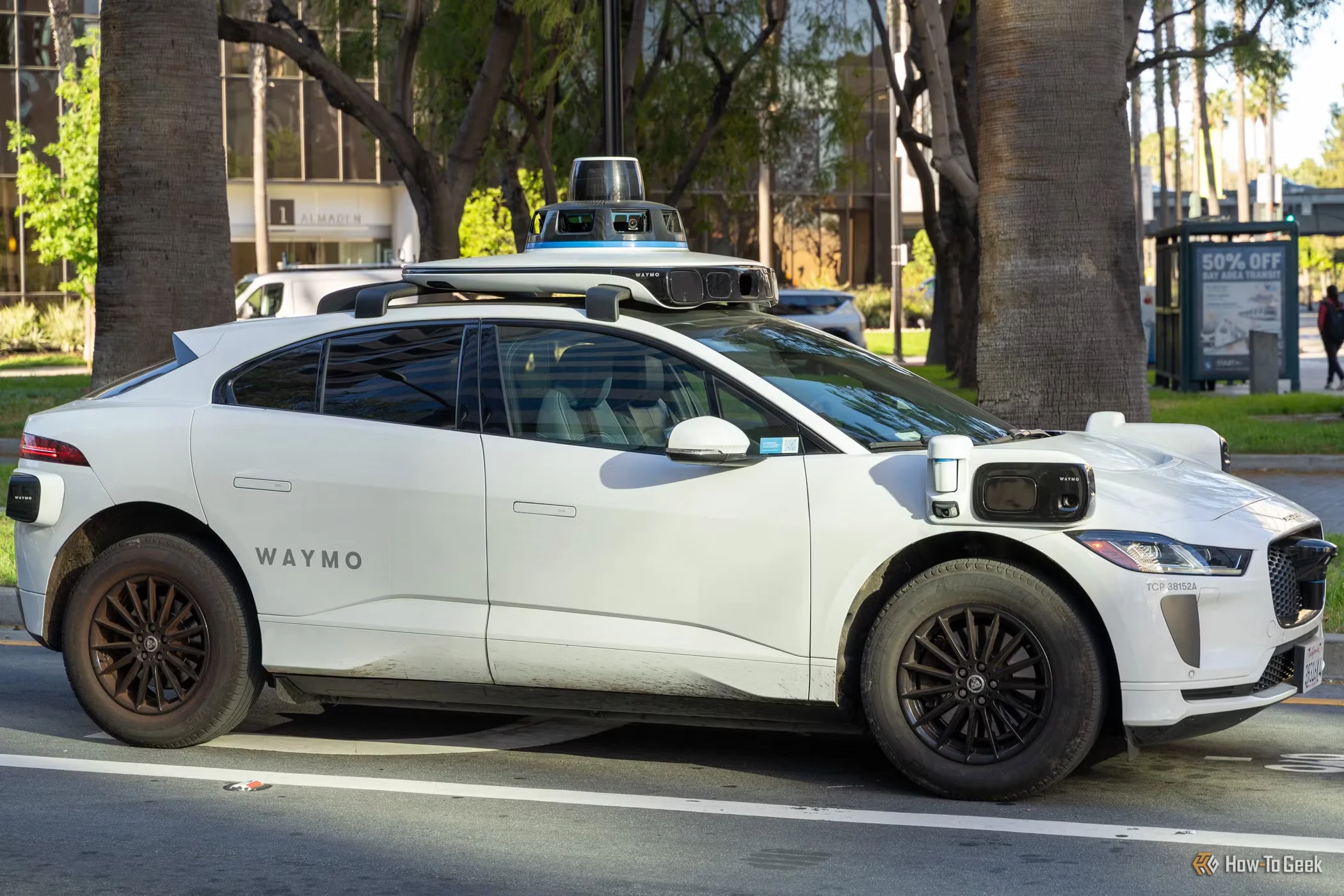
- Waymo announced a complete suspension of its robotaxi services in five US cities on May 21, 2026. The decision follows the failure of a recent software patch designed to prevent autonomous vehicles from entering standing water. Despite the update, an unoccupied vehicle became stuck in a flooded area in Midtown Atlanta, leading Waymo to pause operations for its entire 3,791-vehicle fleet to address the persistent technical flaw.
Strategic Deep-Dive
Systematic Perception Failure: Analyzing Waymo’s Multi-City Fleet Suspension
On May 21, 2026, Waymo took the unprecedented step of suspending its robotaxi operations across five major U.S. metropolitan areas. This drastic measure follows a recurring technical failure in the company’s perception stack, specifically regarding its inability to accurately categorize and avoid flooded roadways.
For a company often cited as the gold standard of autonomous safety, this total operational pause represents a significant setback in the race for Level 4 ubiquity and highlights the persistent fragility of AI systems when confronted with complex environmental hazards.
The Midtown Atlanta Failure and Patch Inefficacy
The catalyst for this shutdown occurred in Midtown Atlanta, where an unoccupied Waymo vehicle attempted to navigate a heavily flooded street. The vehicle became immobilized in standing water, necessitating manual extraction. The most alarming aspect of this incident is that it occurred less than two weeks after Waymo had deployed a fleet-wide software patch specifically designed to mitigate the risk of water-related incidents.
This immediate recurrence of a known failure suggests a fundamental breakdown in Waymo’s Continuous Integration and Continuous Deployment (CI/CD) pipeline for safety-critical AI. When a patch intended for nearly 3,800 vehicles fails within fourteen days, it indicates that the simulated testing environments used by Waymo’s engineers are not capturing the stochastic reality of urban flooding.
The Physics of False Negatives in Sensor Fusion
From a technical standpoint, detecting standing water is one of the most difficult challenges for an autonomous vehicle’s sensor suite. LiDAR pulses are often absorbed or specularly reflected by water surfaces, leading to incomplete point clouds. Meanwhile, computer vision models relying on semantic segmentation may misidentify a deep puddle as a ’traversable ground plane’ due to the visual similarity between wet asphalt and standing water.
This represents a classic ‘False Negative’ error: the system identifies a hazard as an open path. Waymo’s failure to address this through software suggests that the probabilistic occupancy grids utilized by the vehicles are struggling to reconcile the conflicting data coming from LiDAR, radar, and cameras in adverse weather conditions.
Regulatory Fallout and the Reliability Gap
By grounding its entire fleet of 3,791 vehicles, Waymo is acknowledging that the issue is systemic rather than an isolated hardware glitch. This move will undoubtedly invite increased scrutiny from federal regulators, who are already cautious about the expansion of driverless services into new climates. The reliability gap—the difference between how a human identifies a ‘drivable’ surface versus how an AI perceives a ’traversable’ one—remains the industry’s greatest hurdle.
For Waymo, the challenge is now to re-engineer the perception logic to account for the refractive and reflective properties of water, a task that requires a leap in high-fidelity environmental modeling.
Conclusion: A Hard Truth for Level 4 Autonomy
This suspension serves as a sobering reminder that autonomous vehicles still struggle with edge cases that a human driver with basic intuition would navigate with ease. The recurring nature of the failure despite a targeted software update undermines the narrative that these systems can be ‘fixed’ through simple over-the-air updates. As Waymo re-evaluates its software architecture across five cities, the broader industry must reckon with the fact that environmental adaptability remains a significant barrier to the widespread commercialization of robotaxi fleets.