🔍 Executive Summary
- AMD is significantly ramping up its long-term commitment to the Taiwanese semiconductor ecosystem, announcing a massive investment exceeding $10 billion. Following a high-profile visit by CEO Lisa Su, the company aims to secure its future manufacturing capacity and innovation pipeline through deepened integration with TSMC and local supply chain partners.
Strategic Deep-Dive
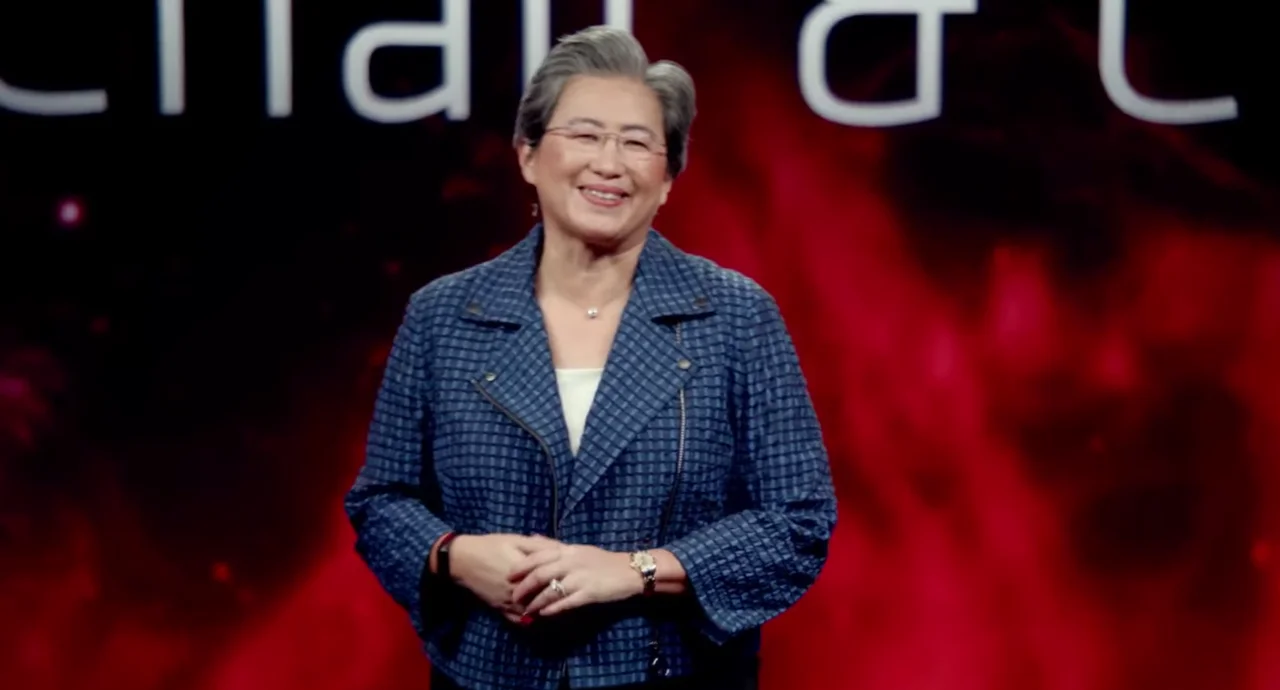
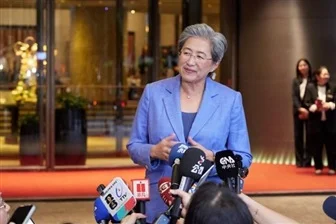
AMD CEO Lisa Su’s arrival in Taiwan via private jet on May 20, 2026, signaled a decisive escalation in the company’s regional strategy, culminating in the rare and monumental announcement of a $10 billion-plus investment into the local industrial ecosystem. While the visual optics of the visit closely mirrored her April 2025 itinerary—including the high-level consultations with TSMC, participation in key technology forums, and the quintessential executive dinners with supply chain partners—the underlying substance was radically different. In 2025, the focus was on partnership stability; in 2026, the focus has shifted to capital-backed permanence.
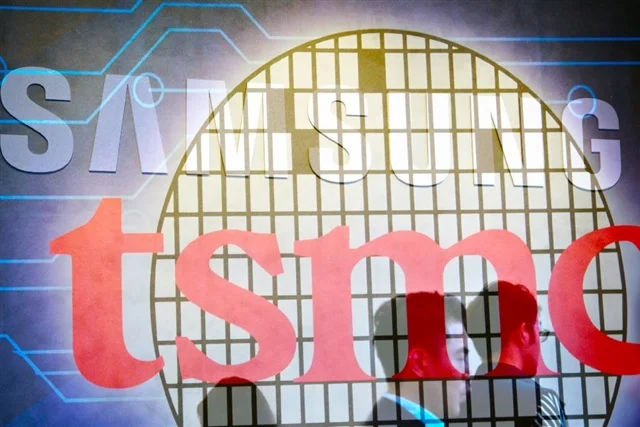
During a concise yet strategically dense one-hour summit forum, Su articulated a vision where AMD and the Taiwanese supply chain are no longer just collaborators but co-architects of the AI era. This $10 billion capital injection represents a fundamental shift from a standard fabless-foundry relationship to a deeply integrated ‘Foundry-Centric Ecosystem’ model. The investment is earmarked for several critical areas: securing long-term priority access to TSMC’s sub-2nm nodes, co-developing advanced packaging solutions like CoWoS (Chip on Wafer on Substrate) to meet the demands of next-gen Instinct accelerators, and establishing a multi-site R&D presence to tap into Taiwan’s dense concentration of semiconductor talent.
Industry analysts interpret this move as a strategic defensive moat against Nvidia. By injecting massive liquidity into the Taiwanese ecosystem, AMD is effectively ensuring that its partners have the specific infrastructure required to scale AMD’s complex chiplet architectures. This ‘Iron Triangle’—composed of AMD’s design prowess, TSMC’s lithographic leadership, and Taiwan’s comprehensive support supply chain—is now being reinforced with a financial bond that makes it increasingly difficult for rivals to displace AMD from the manufacturing queue.
Furthermore, this investment addresses the geopolitical anxieties surrounding the region by signaling AMD’s long-term bet on Taiwan’s stability and its indispensable role in the global high-performance computing (HPC) landscape. Su’s strategy effectively tethers AMD’s future success to the technical and operational excellence of Taiwan, transforming the island from a mere vendor location into a sovereign extension of AMD’s core engineering operations. As AI workloads continue to demand unprecedented levels of compute density, this $10 billion commitment provides the structural foundation for AMD to execute its roadmap with a level of certainty that few of its peers can match.