🔍 Executive Summary
- The European Commission is navigating a complex geopolitical landscape as it considers temporary exemptions for Chinese semiconductor firms previously targeted by trade sanctions. This move highlights the precarious balance between the EU's foreign policy objectives—specifically the 20th Russia sanctions package—and the critical dependence of its domestic automotive sector on foreign-sourced mature-node chips.
Strategic Deep-Dive
The European Commission is currently navigating a precarious intersection of foreign policy and industrial survival as it evaluates a proposal to grant a temporary exemption to a Chinese semiconductor manufacturer from its 20th Russia sanctions package. This strategic pivot is a direct consequence of urgent, high-stakes alarms sounded by the European automotive lobby, which has warned that without immediate regulatory relief, the continent’s car factories could face a total operational paralysis within weeks. The crux of the crisis lies in the architecture of the ‘20th sanctions package,’ a robust regulatory framework designed to intensify economic pressure on Russia by restricting access to dual-use technologies.
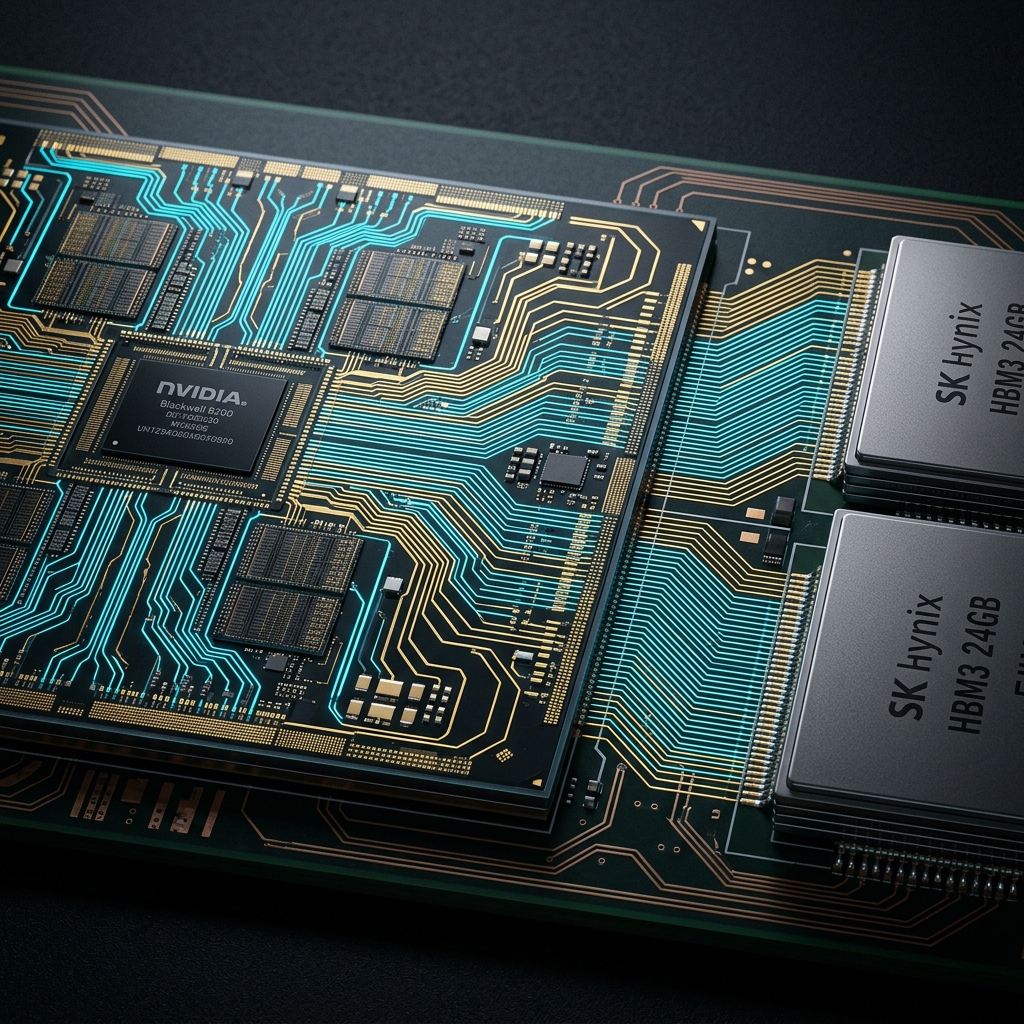
However, the broad net cast by these sanctions inadvertently snared critical Chinese suppliers of mature-node semiconductors—chips manufactured on legacy processes like 28nm or 40nm that remain the lifeblood of modern automotive electronic control units (ECUs), power management integrated circuits (PMICs), and sensor arrays. European automakers, including giants in Germany, France, and Italy, have argued that the sudden removal of these components from their supply chains represents a systemic risk that cannot be mitigated through alternative sourcing in the near term. The lead times for qualifying new semiconductor suppliers in the automotive sector typically range from 18 to 24 months due to rigorous safety and reliability testing, making an immediate shift impossible.
This situation underscores the profound tension between the European Union’s ‘De-risking’ ambitions—a policy framework aimed at reducing strategic dependence on China—and the material reality of its current economic structure. While the EU seeks to project a unified front in its geopolitical strategy against Russian aggression, the risk of a self-inflicted economic wound of this magnitude has forced a pragmatic retreat. Analysts observe that this incident serves as a brutal reality check for policymakers; it reveals that the decoupling of high-tech supply chains is not merely a matter of political will but a multi-year engineering and logistical challenge.
The proposed exemption, though temporary, signals that for the European Commission, the preservation of the automotive industry—a sector that accounts for over 7% of the EU’s GDP—takes precedence over the rigid enforcement of trade restrictions. As the Commission fine-tunes the legal parameters of this exemption, the industry remains on high alert, emphasizing that the continuity of European manufacturing and the jobs of hundreds of thousands of workers hang on the successful implementation of this regulatory carve-out. This case will likely serve as a precedent for how the EU manages future trade tensions where industrial necessity clashes with ideological alignment.