🔍 Executive Summary
- Analysts predict Nvidia could capture two-thirds of the server CPU market, challenging x86 incumbents.
- On track to deliver 4 million 'Vera' CPUs by FY2027, representing a $20 billion revenue stream.
- Strategic shift toward rack-level vertical integration threatens to lock Intel and AMD out of the AI data center.
Strategic Deep-Dive
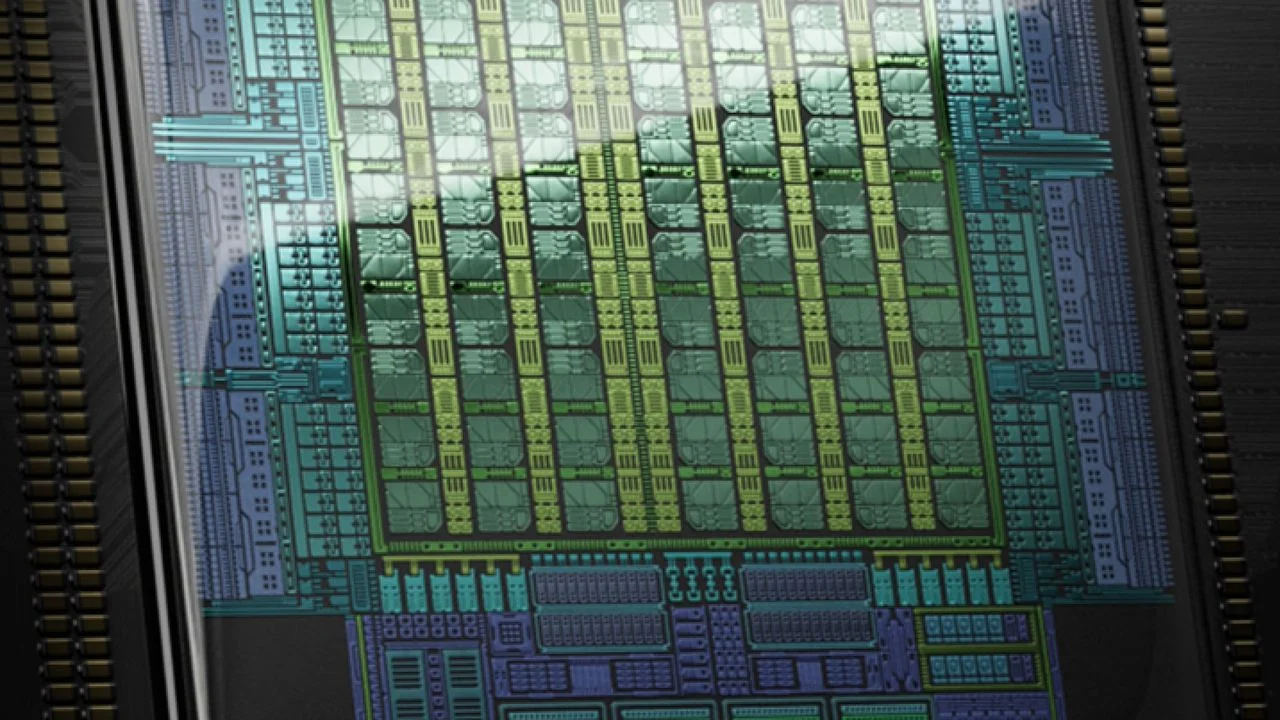
Nvidia, the undisputed king of AI accelerators, is now executing a scorched-earth strategy to dominate the x86 server CPU market—a domain historically reserved for Intel and AMD. Industry analysts are sounding the alarm for incumbents as Nvidia’s ‘Vera’ CPUs are projected to capture an unprecedented two-thirds of the server processor market. This is no longer just about adding a CPU to the catalog; it is about redefining the data center architecture itself.
By 2027, Nvidia is on track to ship 4 million Vera units, a volume expected to generate $20 billion in annual revenue, effectively positioning Nvidia as a primary processor vendor alongside its GPU dominance.
The core of Nvidia’s strategy lies in its ability to offer ‘rack-level dominance.’ Unlike Intel or AMD, which primarily sell CPUs to be integrated into various motherboard designs, Nvidia is selling an entire, proprietary ecosystem. By bundling Vera CPUs with Blackwell GPUs and high-speed NVLink interconnects, Nvidia creates a vertical stack that is highly optimized for AI workloads. This integration creates a significant performance gap that component-only vendors struggle to close.
For hyperscalers, the convenience and efficiency of a pre-optimized Nvidia rack are becoming irresistible. This shift signifies a tectonic movement in the hardware landscape: the server market is moving away from the modular x86 era toward a new, Nvidia-centric monoculture where the company controls every critical silicon socket in the data center. For Intel and AMD, the challenge is now existential—they aren’t just fighting for a socket; they are fighting against an architectural lock-in that threatens to make their independent processors obsolete in the AI-first world.