🔍 Executive Summary
- The economic landscape of AI infrastructure is undergoing a seismic shift with Nvidia's Vera Rubin platform, where the total system cost has reached $7.8 million. Driven by a 485% surge in memory expenses, HBM now accounts for 25% of the total Bill of Materials, signaling a transfer of profit margin from logic vendors to memory manufacturers.
Strategic Deep-Dive
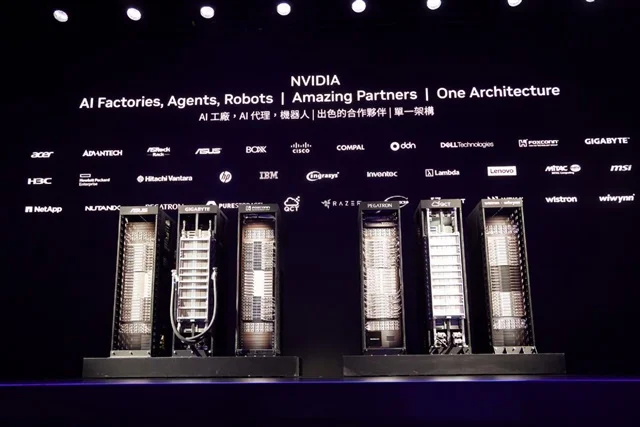
The economic model of high-performance computing is being fundamentally rewritten by the Vera Rubin platform, Nvidia’s next-generation AI infrastructure. According to the latest cost analysis, a fully equipped system rack is now projected to cost an eye-watering $7.8 million to construct. The primary driver of this inflationary trend is a 485% surge in memory costs compared to previous architectures.
In the Rubin era, memory is no longer a secondary component; it has become a central pillar of the Bill of Materials (BoM), accounting for nearly 25% of the total system cost. This shift is a direct response to the ‘memory wall’ in AI scaling, where the massive throughput requirements of Large Language Models (LLMs) necessitate the use of increasingly expensive High Bandwidth Memory (HBM) in vast quantities.
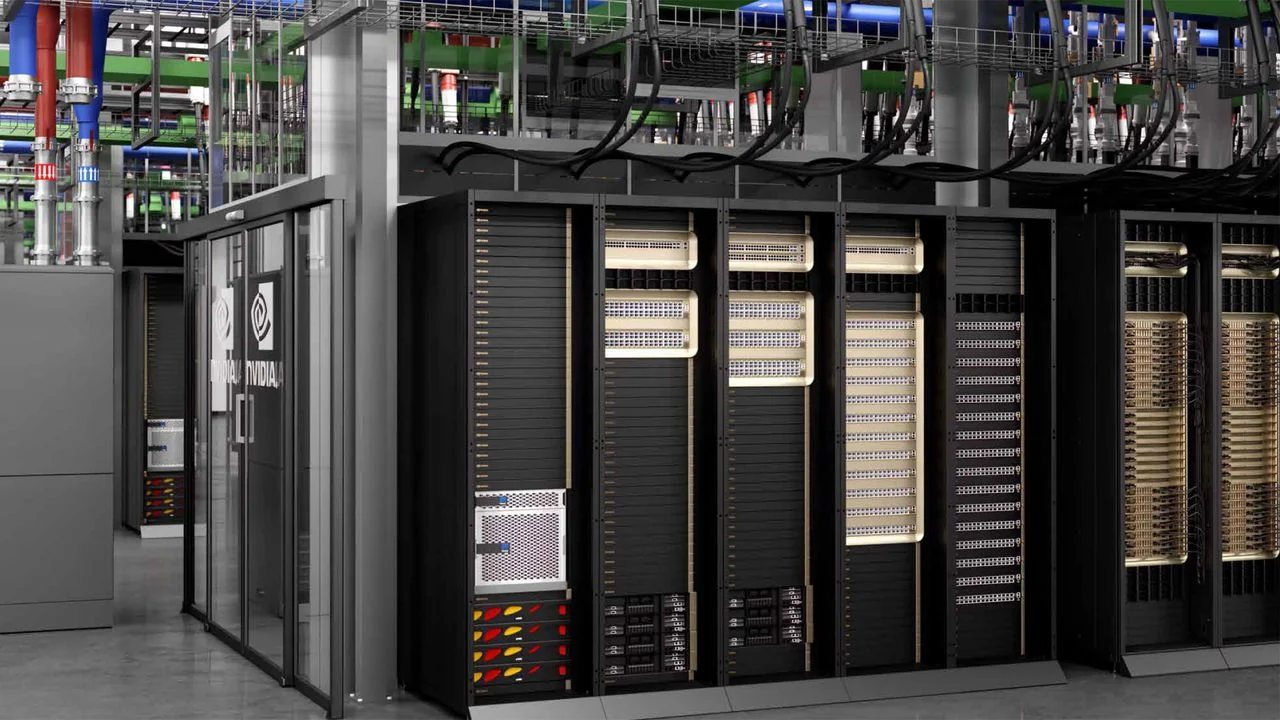
From the perspective of a Lead Systems Architect, the $7.8 million price tag represents a shift from chip-level economics to rack-level systems engineering. While the Rubin GPUs themselves carry a significant premium at $50,000 per unit, the surrounding infrastructure has scaled in complexity and cost at an even higher rate. To support the thermal and power demands of these clusters, which can exceed 100kW per rack, operators must invest heavily in advanced liquid cooling solutions and robust power delivery units (PDUs).
Furthermore, the networking fabric—comprising InfiniBand switches and Spectrum-X interconnects—now represents a double-digit percentage of the BoM. However, it is the 25% share held by memory vendors that is most disruptive to the status quo. In traditional server economics, memory was a commodity; in the Rubin platform, it is a high-value bottleneck that captures a significant portion of the margin previously held by the logic vendor (Nvidia).
This structural shift in the semiconductor value chain has profound implications for the industry’s profitability. For hyperscalers like Microsoft, Meta, and Google, the $7.8 million entry price for a single rack forces a radical reassessment of Power Usage Effectiveness (PUE) and long-term TCO. As memory costs soar, the ROI of AI services becomes highly sensitive to memory market fluctuations, traditionally the most volatile segment of the semiconductor industry.
To mitigate this, we expect to see a surge in innovation regarding memory-saving techniques, such as weight compression, sparsity, and perhaps a move toward unified memory architectures that bypass traditional bottlenecks. The financial reality of the Vera Rubin platform proves that AI scaling is no longer just a contest of architectural ingenuity, but a high-stakes battle over the economics of the memory-logic interface. Those who can most efficiently manage the $2 million memory bill within each rack will be the ones who define the next era of AI leadership.