🔍 Executive Summary
- A comprehensive analysis of the Matter smart home protocol, detailing the delta between its promise of universal connectivity and the current implementation challenges. This report examines why strategic patience is required for early adopters facing fragmentation and multi-admin complexities.
Strategic Deep-Dive
The Matter Dilemma: Evaluating the Gap Between Industry Hype and Consumer Reality
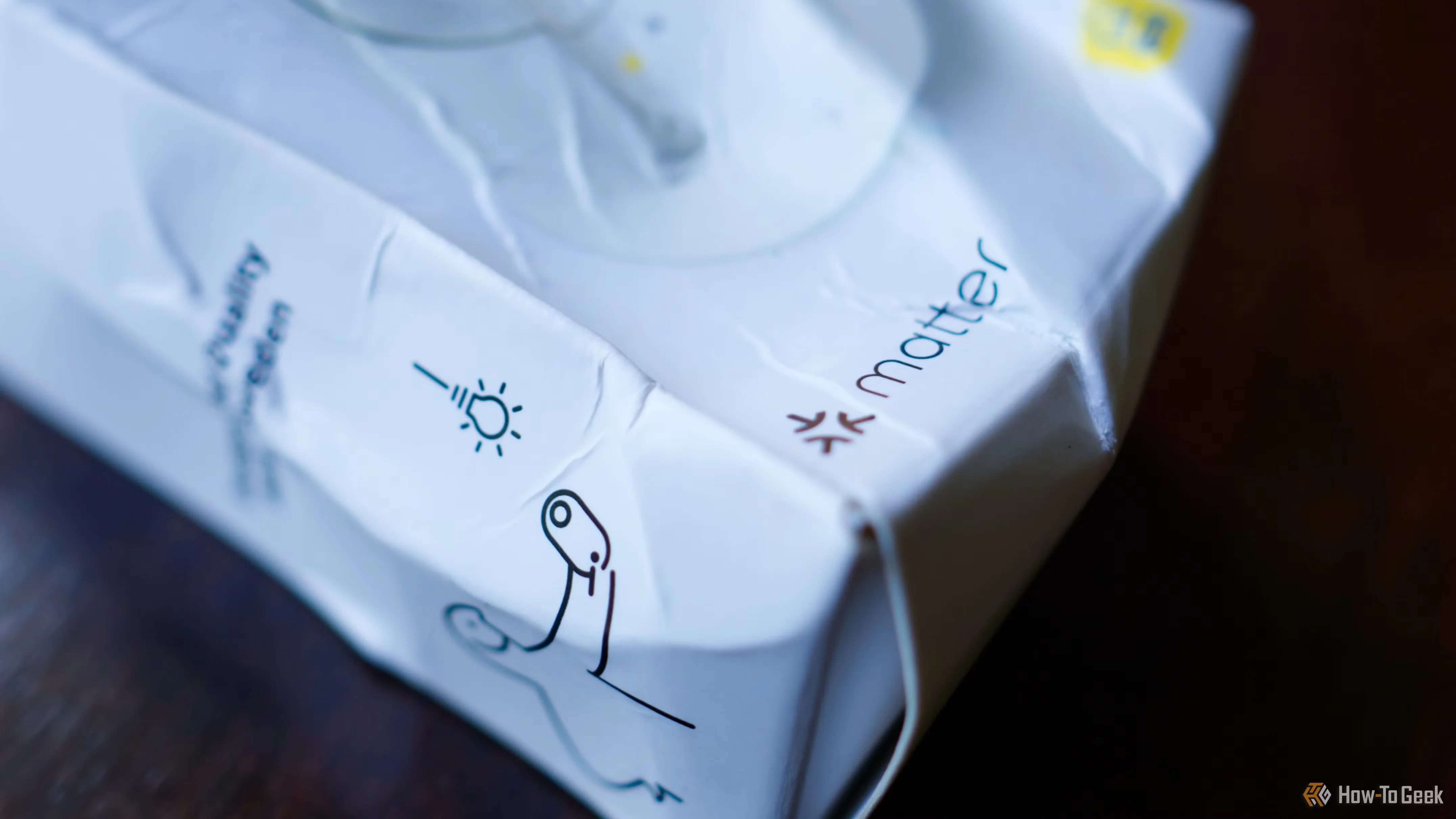
The promise of Matter is simple and revolutionary: any device with a Matter logo should work seamlessly with any smart home app, whether it be Apple Home, Google Home, or Amazon Alexa. However, as the initial excitement cools, a sobering reality is setting in. For those starting their smart home journey in 2026, the advice from experts is clear: proceed with extreme caution.
The discrepancy between the protocol’s theoretical potential and its current functional state creates a significant risk for non-technical users.
The ‘Lowest Common Denominator’ Problem
One of the most pressing technical issues with Matter is its inability to support specialized features. Currently, the Matter specification focuses on a set of core functions that are common across device types. While this ensures that a light bulb will always turn on or off, it often strips away the unique features that justified the product’s premium price.
For instance, a sophisticated smart lock might offer temporary guest codes or bio-metric entry through its native app, but those features might not be exposed to the Matter controller. This creates a ‘feature-gap’ where users are forced to choose between universal compatibility and the very capabilities they bought the device for.
Multi-Admin Failures and Connectivity Hurdles
The ‘Multi-Admin’ feature is the crown jewel of Matter, intended to allow a device to be controlled by multiple ecosystems simultaneously. In practice, however, this has been the source of greatest frustration. Synchronizing encryption keys between different fabric controllers (e.g., sharing a device from Samsung SmartThings to Apple Home) is a complex handshake process that often fails due to software bugs or networking idiosyncrasies.
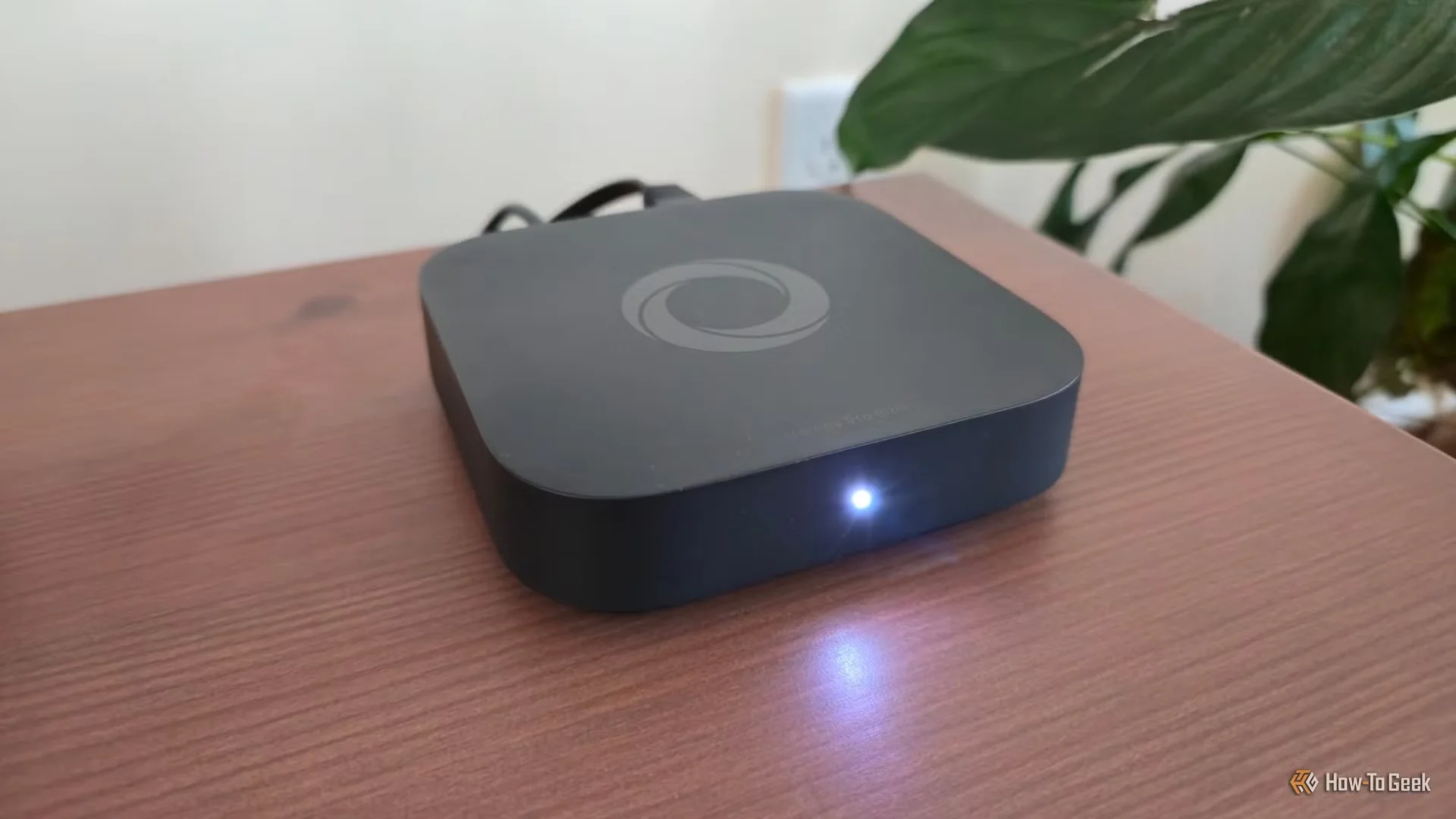
Furthermore, the reliance on Thread—a low-power mesh protocol—requires a Thread Border Router. While IKEA and other vendors are integrating these into their hubs, the ecosystem is still fragmented. A user might find that their HomePod acts as a border router, but their Android phone cannot see the Thread network properly, leading to a broken user experience.
The Stability of Legacy vs. The Hype of the Future
For over a decade, protocols like Zigbee and Z-Wave have offered rock-solid reliability for smart home enthusiasts. They operate on dedicated frequencies and have mature certification processes. Matter over Wi-Fi can congest home networks, and Matter over Thread is still finding its footing.
The industry’s push toward Matter is undeniable, and it will likely become the dominant standard within the next few years. However, for a ‘Smart Home Starter’ who simply wants their lights to work when they walk into a room, the present-day instability of Matter can be a deterrent. The strategic approach today is to build around a reliable hub that supports legacy protocols while being ‘Matter-ready,’ rather than ‘Matter-only.’ This allows consumers to enjoy the stability of today while keeping the door open for the unified future that Matter promises once it finally matures.