🔍 Executive Summary
- Samsung Electronics Chairman Lee Jae-yong's strategic visit to Taiwan highlights a push to leverage memory-foundry synergies. By targeting MediaTek, Samsung aims to diversify its client base beyond existing partners like Tesla and AMD, directly challenging TSMC's regional dominance through a unique 'one-stop' logic-plus-memory offering.
Strategic Deep-Dive
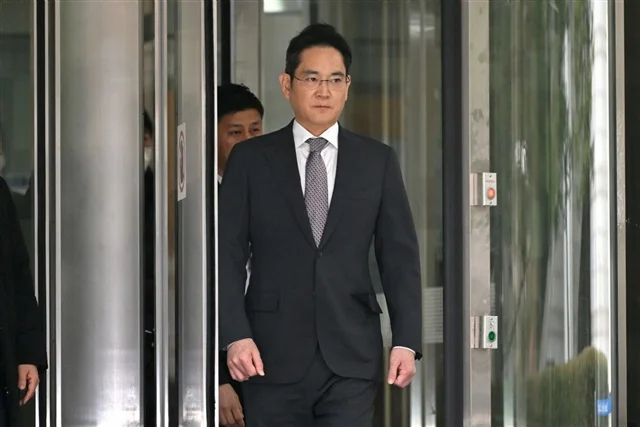
The global semiconductor foundry sector is bracing for a potential tectonic shift as Samsung Electronics intensifies its strategic offensive in Taiwan, the geographic and operational heart of its chief rival, TSMC. The reported high-level meeting on May 21 between Samsung Chairman Lee Jae-yong and MediaTek CEO Rick Tsai signifies a bold attempt to erode the competitive moats that have long protected TSMC’s dominance. Historically, MediaTek has been a cornerstone of TSMC’s client portfolio, but the evolving demands of the AI and mobile SoC (System on Chip) markets are creating a vacuum that Samsung is eager to fill.
This ‘quiet play’ by Samsung is centered on a value proposition that TSMC cannot easily replicate: the seamless integration of world-leading memory production with cutting-edge foundry services.
A primary technical differentiator in Samsung’s pitch is its early transition to the Gate-All-Around (GAA) architecture at the 3nm node. While TSMC opted to extend the life of the FinFET (Fin Field-Effect Transistor) structure for its initial 3nm offerings, Samsung took the calculated risk of pioneering GAA. This architecture provides superior electrostatic control, significantly reducing leakage current and enhancing power efficiency—metrics that are paramount for MediaTek’s mobile-centric customer base.
By proving the stability and yield of its 3nm GAA process through partnerships with firms like Tesla and AMD, Samsung is positioning itself as a technically superior alternative for high-performance, low-power mobile applications. For MediaTek, utilizing Samsung’s foundry isn’t just about cost; it’s about accessing a different technological roadmap that could provide a competitive edge in the next generation of Dimensity processors.
Furthermore, the strategic synergy between Samsung’s Memory and Foundry divisions offers a ‘One-Stop’ turnkey solution. In the era of AI-driven computing, the physical distance and integration complexity between the logic die and high-speed memory (like HBM3E or LPDDR5X) have become major performance bottlenecks. Samsung’s ability to package these components together under one roof simplifies the supply chain and potentially improves thermal and electrical characteristics.
From a SWOT analysis perspective, Samsung’s presence in Taiwan leverages TSMC’s greatest weakness: its clients’ fear of single-source dependency. If Samsung successfully secures a significant portion of MediaTek’s sub-5nm orders, it will not only boost its market share but also validate its advanced node maturity to the broader industry. This move signals that Samsung is moving beyond mere capacity expansion to a sophisticated ecosystem-based strategy, directly challenging the status quo of hardware intelligence and manufacturing dominance in the Asia-Pacific region.