🔍 Executive Summary
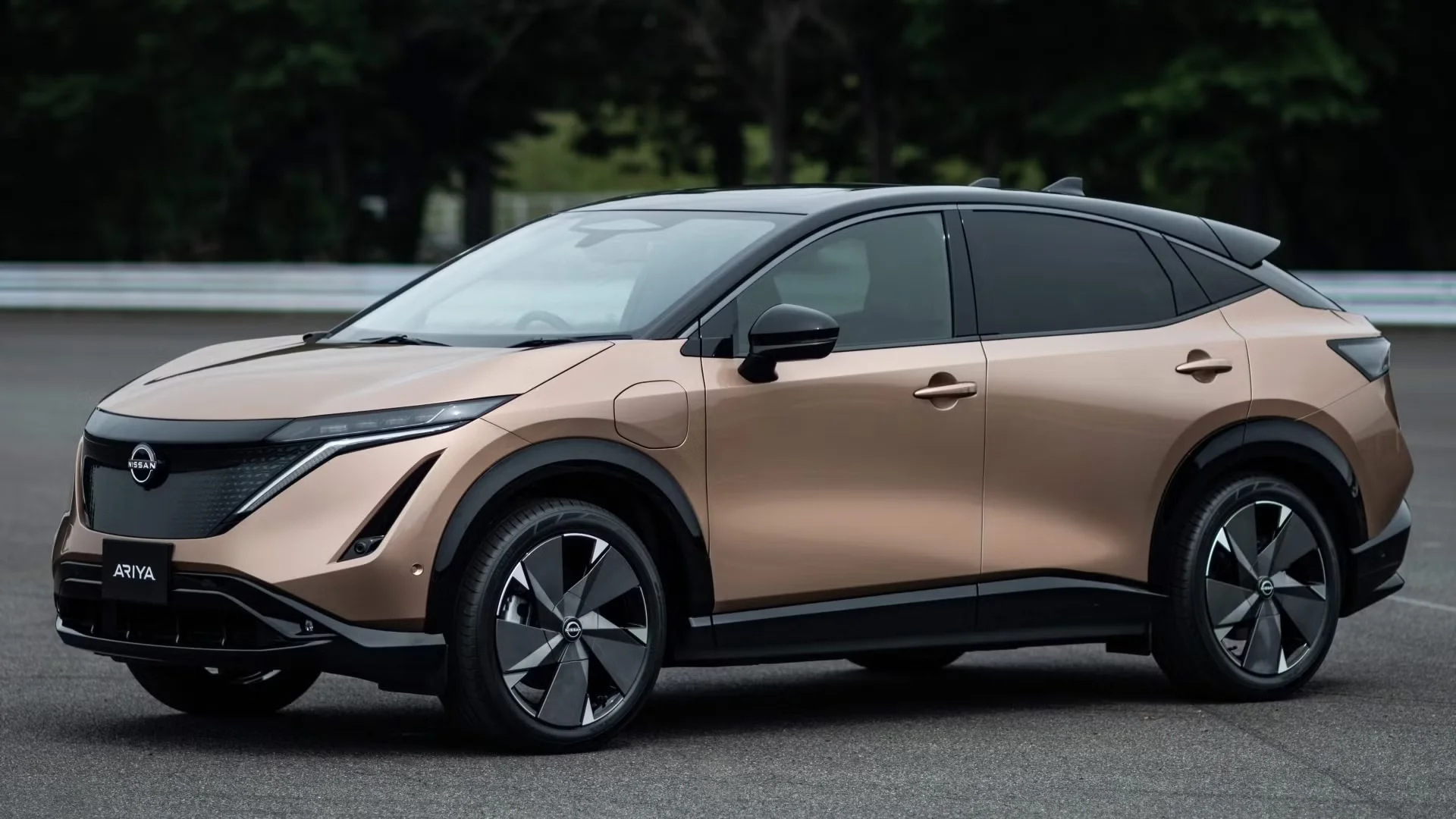
- Nissan has suspended its ambitious e-axle manufacturing project in the UK, a decision driven by a significant slowdown in European EV demand and a strategic need to realign its supply chain with actual consumer adoption rates.
Strategic Deep-Dive
The European automotive sector is currently navigating a period of profound uncertainty, characterized by a cooling of the once-fervent electric vehicle (EV) market. Nissan’s recent decision to scrap its e-axle manufacturing project in the United Kingdom is a bellwether for this regional shift. An e-axle is a critical, highly integrated unit that combines the electric motor, power electronics (inverter), and transmission.
In modern EV design, the e-axle is essential for reducing mechanical complexity and improving energy efficiency through integrated thermal management. Nissan’s move to halt production plans in Sunderland directly impacts its ‘EV36Zero’ strategy, which was designed to create a world-first EV manufacturing ecosystem. The technical significance of localizing e-axle production cannot be overstated; it was intended to serve as the technological anchor for Nissan’s next-generation platforms, including the 800V architectures.
However, the macro-economic environment in Europe has turned hostile to rapid electrification. High interest rates have increased the total cost of ownership for EVs, while major markets like Germany have prematurely phased out purchase incentives. This has created a ‘chasm’ in the adoption curve where early adopters are satisfied, but the mass market remains skeptical due to price parity issues and inadequate charging infrastructure.
From a ‘Data Journalist’ perspective, the numbers do not lie: the mismatch between government mandates and consumer behavior is forcing major OEMs to re-evaluate their capital expenditure. Specialized component manufacturing like e-axles requires immense volume to reach the break-even point. Without a guaranteed demand curve in the European market, Nissan cannot justify the high fixed costs associated with a specialized e-axle assembly line.
This retreat also raises questions about the UK’s competitiveness in the global green-tech supply chain. As Nissan pivots toward a more conservative manufacturing approach, it signals to the broader industry that the transition to zero-emission vehicles will be far more non-linear than previously projected. The volatility of the EV landscape highlights a critical failure in policy-driven market creation—one where political ambition has outpaced industrial and economic reality.
For Nissan, preserving liquidity and operational flexibility in early 2026 is now a higher priority than meeting arbitrary electrification milestones. This strategic retreat suggests that the path to a fully electric Europe will require a fundamental recalibration of supply chain investment and a more pragmatic timeline that accounts for the genuine pace of consumer transition.