핵심 요약
- ENG_TITLE: JEDEC expands LPDDR6 roadmap with 512 GB density targets and SOCAMM2 integration…
상세 분석
ENG_TITLE: JEDEC expands LPDDR6 roadmap with 512 GB density targets and SOCAMM2 integration
KOR_TITLE: JEDEC, LPDDR6 표준 확장 및 512GB 고용량 SOCAMM2 규격 추진으로 메모리 병목 해결
KEYWORDS_EN: JEDEC, LPDDR6, JESD209-6, 512GB, SOCAMM2, Memory Standards, Edge AI, Bandwidth
KEYWORDS_KR: JEDEC, LPDDR6, JESD209-6, 512GB, SOCAMM2, 메모리 표준, 에지 AI, 대역폭
ENG_CONTENT
The JEDEC Solid State Technology Association has issued a landmark update to the memory industry with a preview of the enhanced JESD209-6 LPDDR6 standard. Building on the foundational specifications released in July 2025, the JC-42.6 Subcommittee is now targeting unprecedented density milestones, specifically a 512 GB capacity target for the LPDDR6 ecosystem. This leap in density is not merely an incremental improvement; it is a fundamental requirement for the burgeoning “Edge AI” market.
As Large Language Models (LLMs) move from massive data centers to local devices, the primary hardware bottleneck has shifted from raw compute cycles to memory capacity and bandwidth. A 512 GB LPDDR6 module would allow high-end laptops and mobile workstations to house billion-parameter models locally, ensuring privacy and reducing latency for professional AI workflows.
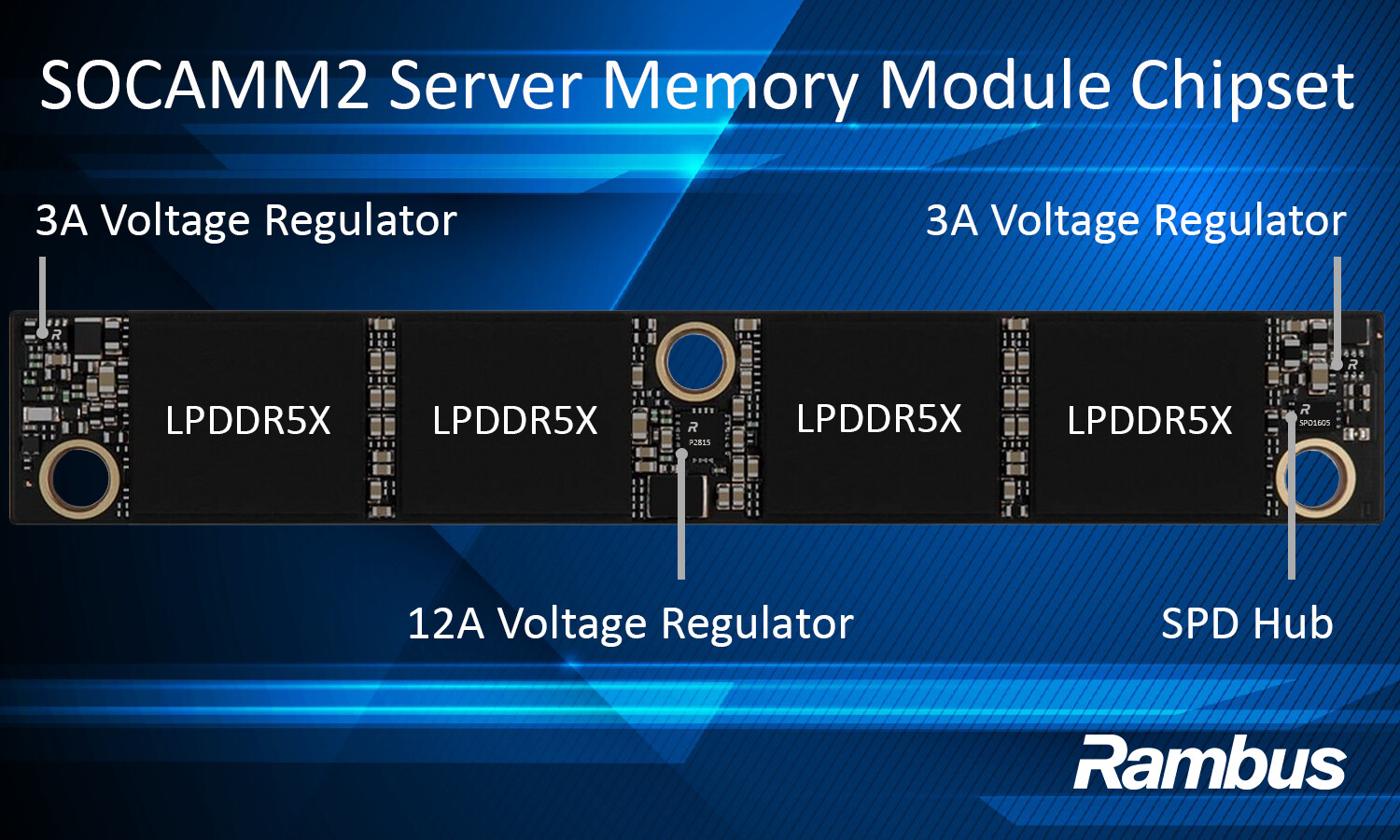
Equally transformative is the formalization of the SOCAMM2 standard. Historically, the trade-off for the extreme power efficiency and high signal integrity of LPDDR memory was its lack of modularity; modules had to be soldered directly to the motherboard (on-board). This “soldered-down” approach significantly limited the lifespan and upgradeability of mobile hardware.
SOCAMM2 addresses this by introducing a standardized form factor that preserves the high-speed data lanes and low-power characteristics of LPDDR6 while allowing for a replaceable, modular design. This is a game-changer for system integrators, as it enables a more flexible supply chain and allows users to scale their memory capacity as their AI workloads evolve.
From a technical synthesis perspective, the move to 512 GB densities in LPDDR6 requires sophisticated die-stacking and advanced packaging techniques. We are seeing the convergence of mobile and server memory technologies, as the density levels previously reserved for server-grade RDIMMs are now being crammed into mobile-optimized power envelopes. For “AI PCs” to be viable, they must overcome the “memory wall”—the gap between how fast a processor can compute and how fast it can access data.
LPDDR6’s enhanced bandwidth, coupled with 512 GB densities, provides the necessary headroom for multi-modal AI models that process video, audio, and text simultaneously in real-time.
Furthermore, the JEDEC update signals a move toward higher reliability features, such as enhanced on-die Error Correction Code (ECC), which is essential as bit density increases and cell sizes shrink. As memory vendors like SK hynix, Samsung, and Micron align their 2026/2027 roadmaps with these new JESD209-6 enhancements, we expect to see a total transformation of the mobile computing landscape. SOCAMM2 will likely become the dominant form factor for high-end workstations, ending the era where low-power requirements forced a sacrifice in modularity.
KOR_CONTENT
LPDDR6 표준의 진화와 512GB 고용량화의 전략적 필요성
JEDEC(반도체표준협회)이 LPDDR6(JESD209-6) 표준의 로드맵을 확장하며 메모리 용량을 최대 512GB까지 끌어올리겠다고 발표했습니다. 이는 모바일 기기와 워크스테이션에서 거대 언어 모델(LLM)을 로컬로 구동해야 하는 ‘에지 AI’ 시대의 필수적인 조치입니다. 수십억 개의 파라미터를 가진 AI 모델을 클라우드 연결 없이 처리하기 위해서는 서버급에 맞먹는 메모리 용량이 필수적이며, 512GB LPDDR6는 이러한 하드웨어적 병목 현상을 해결할 핵심 열쇠가 될 것입니다.
SOCAMM2 표준: 메모리 설계의 새로운 패러다임과 유연성 확보
이번 발표에서 함께 강조된 SOCAMM2 규격은 메모리 실장 방식에 혁신적인 변화를 가져올 것입니다. 기존 LPDDR 메모리는 전력 효율과 신호 무결성을 위해 메인보드에 직접 납땜되는 ‘온보드’ 방식이 강제되었으나, 이는 업그레이드와 유지보수를 불가능하게 만들었습니다. SOCAMM2는 LPDDR6의 고속 대역폭과 저전력 특성을 그대로 유지하면서도, 교체가 가능한 모듈형 폼팩터를 제공합니다.
이를 통해 시스템 제조사들은 더욱 유연한 설계가 가능해졌으며, 사용자는 필요에 따라 메모리를 확장할 수 있는 환경을 갖추게 되었습니다.
기술적 함의와 향후 전망
512GB라는 고용량을 구현하기 위해 메모리 업계는 더욱 정교한 다이 스태킹(Die-stacking) 기술과 패키징 공정을 도입할 것으로 보입니다. 모바일 메모리와 서버 메모리의 경계가 허물어지는 이러한 추세는 실시간 멀티모달 AI 처리를 위한 필수 과정입니다. 또한 데이터 신뢰성을 높이기 위한 온다이(On-die) ECC 기술의 강화 역시 표준에 포함될 예정입니다.
삼성전자, SK하이닉스, 마이크론 등 주요 메모리 제조사들이 이 표준에 맞춰 제품 개발에 박차를 가함에 따라, 2026년 하반기부터는 SOCAMM2를 탑재한 고성능 AI 노트북이 시장의 주류로 자리 잡을 것으로 전망됩니다.
IMAGE_PROMPT: A technical blueprint or 3D render of a SOCAMM2 memory module integrated onto a motherboard, showing high-speed data lanes and compact architecture.
ORIGINAL_URL: https://www.techpowerup.com/img/2TX6DFxZ1KlCcy6y.jpg