🔍 핵심 요약
- idual software packages. Instead, a pervasive, high-reasoning AI agent serves as the primary interface, mediating all tasks ranging from simple scheduling to complex multi-step information synthesis. ...
상세 분석
idual software packages. Instead, a pervasive, high-reasoning AI agent serves as the primary interface, mediating all tasks ranging from simple scheduling to complex multi-step information synthesis. This transition to an agent-first OS requires a radical rethinking of mobile hardware, particularly concerning custom silicon.
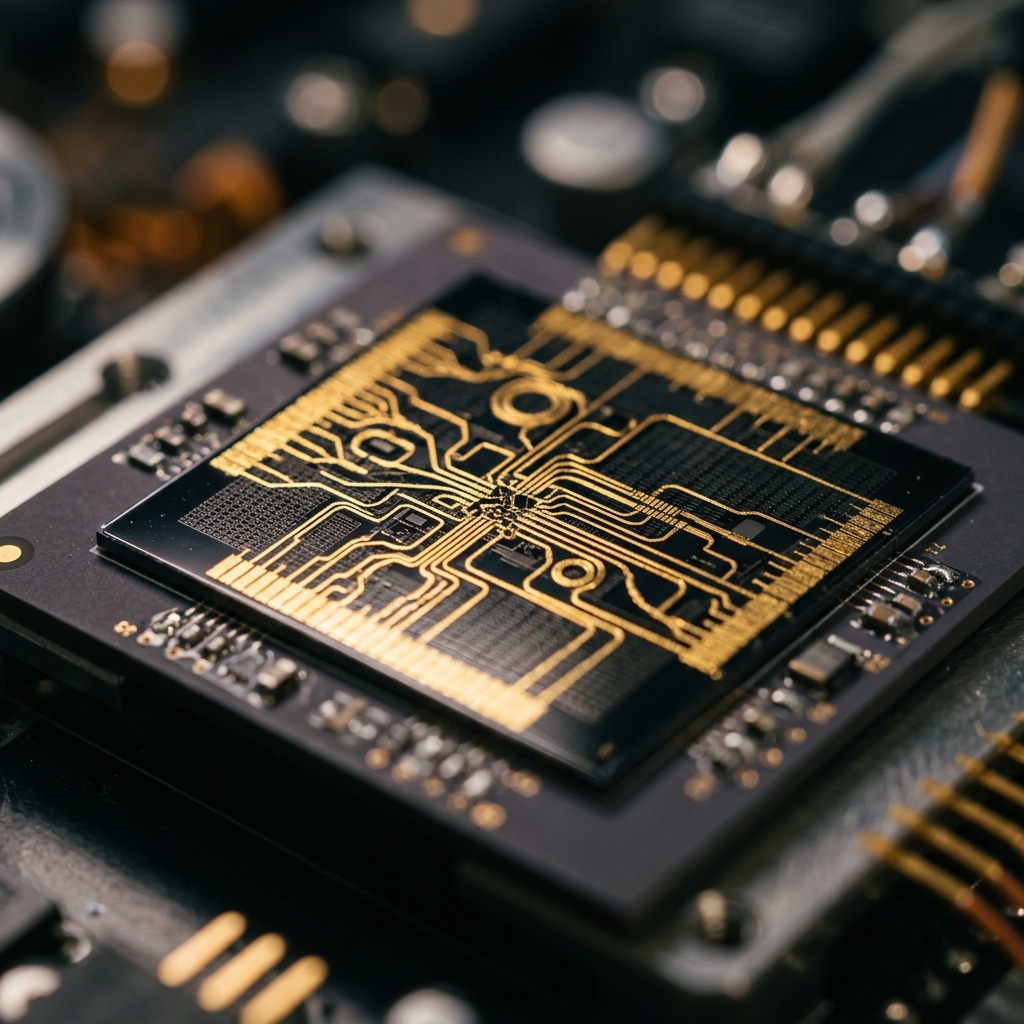
To achieve the necessary performance and latency for real-time agentic reasoning, OpenAI must move beyond standard mobile CPUs and GPUs. The focus will shift toward specialized Neural Processing Units (NPUs) optimized specifically for the transformer architecture and high-speed memory access. Current mobile chips are designed for ‘burst’ AI tasks like photo enhancement; an agent-native phone requires sustained, low-power inferencing capability to maintain a ‘constant-on’ state of intelligence.
This necessitates a custom silicon strategy, likely involving deep partnerships with foundries like TSMC to develop NPUs with unprecedented efficiency-per-watt. The technical challenges extend to the thermal envelope and battery density, as a device that ’thinks’ constantly will inevitably generate more heat than a passive smartphone. Strategically, this move allows OpenAI to bypass the gatekeeping of iOS and Android, creating a direct-to-consumer pipeline that controls the entire value chain.
By integrating the model directly with the hardware, OpenAI can optimize the inference stack to a degree impossible on third-party devices. Furthermore, this disruption targets the core revenue model of current tech giants. Rather than taking a cut of app sales, OpenAI could pivot toward ‘agent-orchestration fees,’ where the OS takes a commission for connecting users to third-party services via APIs.
As we approach 2028, the industry must prepare for a transition that could render the current mobile ecosystem obsolete, shifting the global tech value from the ‘app developers’ to the ‘agent orchestrators’ who own the physical touchpoint of intelligence.",
“kor_insight”: “오픈AI의 하드웨어 진출은 애플과 구글이 구축한 모바일 듀오폴리 체제에 대한 정면 도전이자, ‘AI의 물리적 실체화’를 의미합니다. 독자 하드웨어를 확보함으로써 플랫폼 규제에서 완전히 벗어난 오픈AI는 사용자 경험의 주도권을 앱에서 지능형 에이전트로 이동시킬 것이며, 이는 하드웨어가 단순한 도구를 넘어 AI의 능력을 극대화하는 ‘전용 그릇’으로 진화하고 있음을 시사합니다.”,
“kor_keywords”: “오픈AI, AI 폰, AI 에이전트”,
“eng_keywords”: “OpenAI, AI Phone, AI Agents”,
“original_image”: null
},
{
"